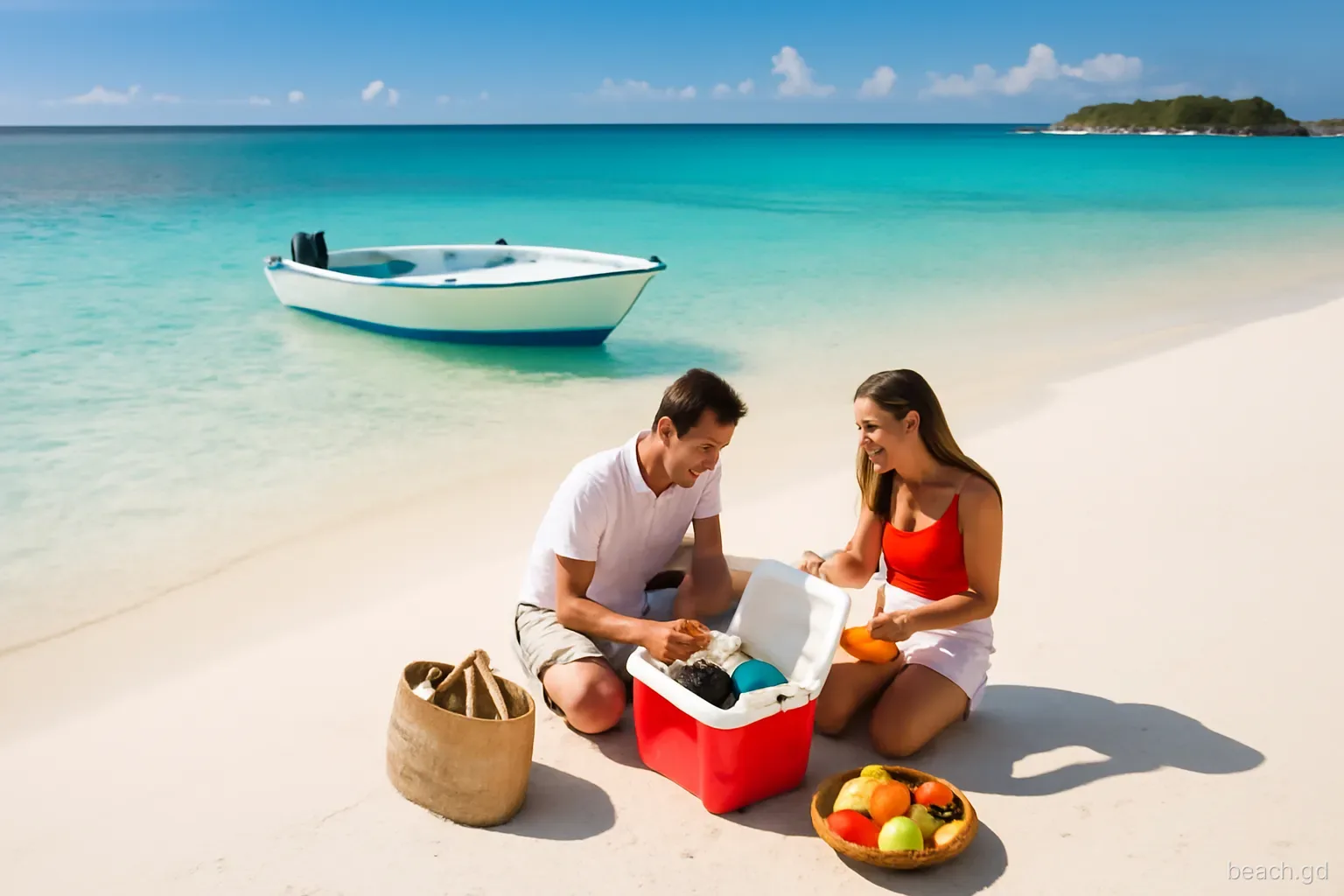
A day at the beach in Grenada can cost almost nothing or a substantial sum, and the difference comes from four choices: how you get there, whether you rent furniture, where you eat and what you drink. The beaches themselves are public and free, from Grand Anse to Bathway to Paradise Beach in Carriacou.
Below are three realistic ways to spend a beach day, with broad price ranges based on typical costs. They are not quotes. Prices change with the season, the exchange rate, cruise schedules and individual businesses, so confirm before you commit. At the fixed peg, EC$2.70 equals US$1, though change for US dollars is often given at a slightly lower rate.
The local budget day
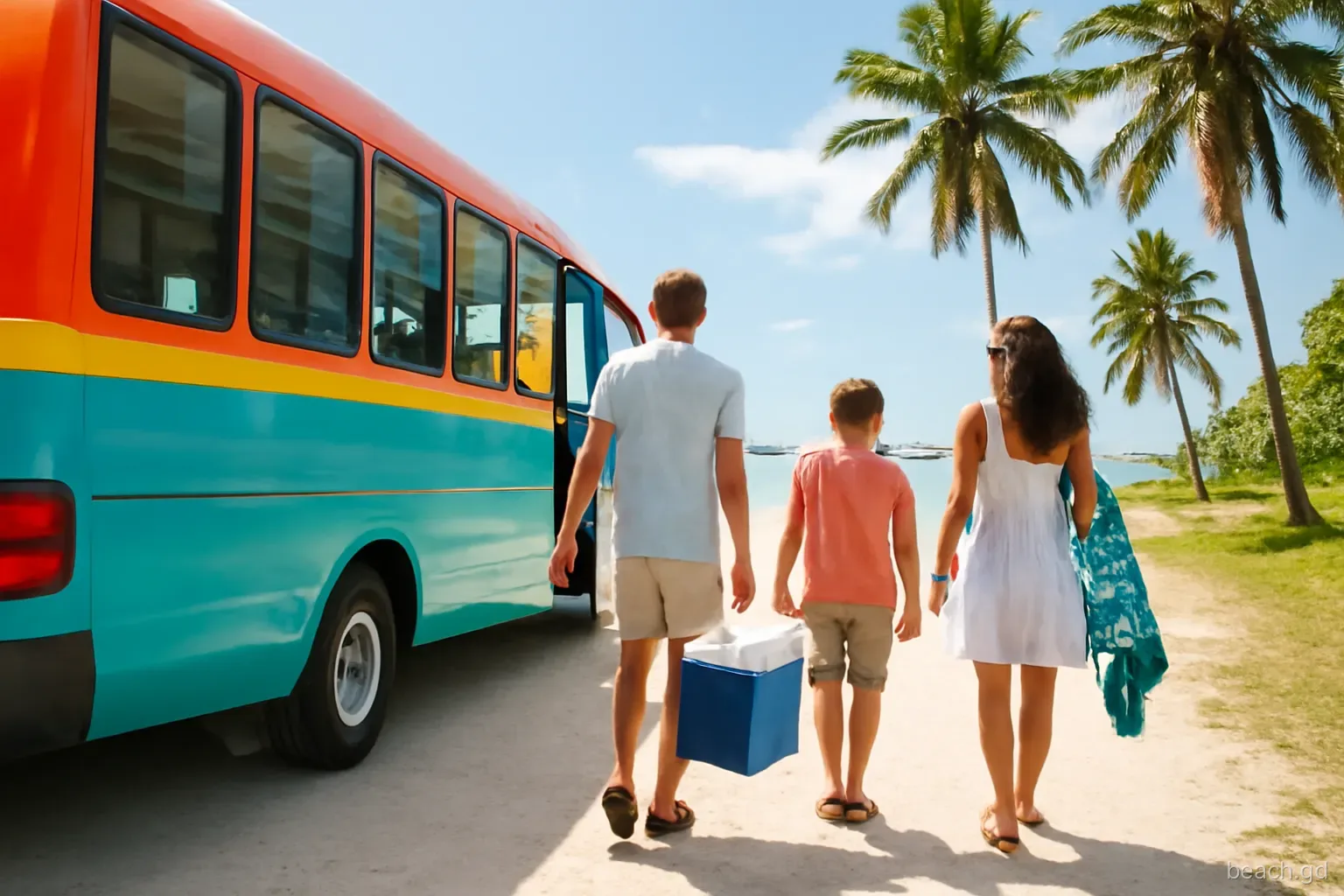
Take a route bus to the beach. Buses are privately run minibuses on numbered routes, and a short trip such as St George's to Grand Anse costs a few EC dollars per person; longer routes cost more. Fares are set by the authorities and change from time to time, so ask the conductor. Pay in EC dollars, ideally with coins and small notes.
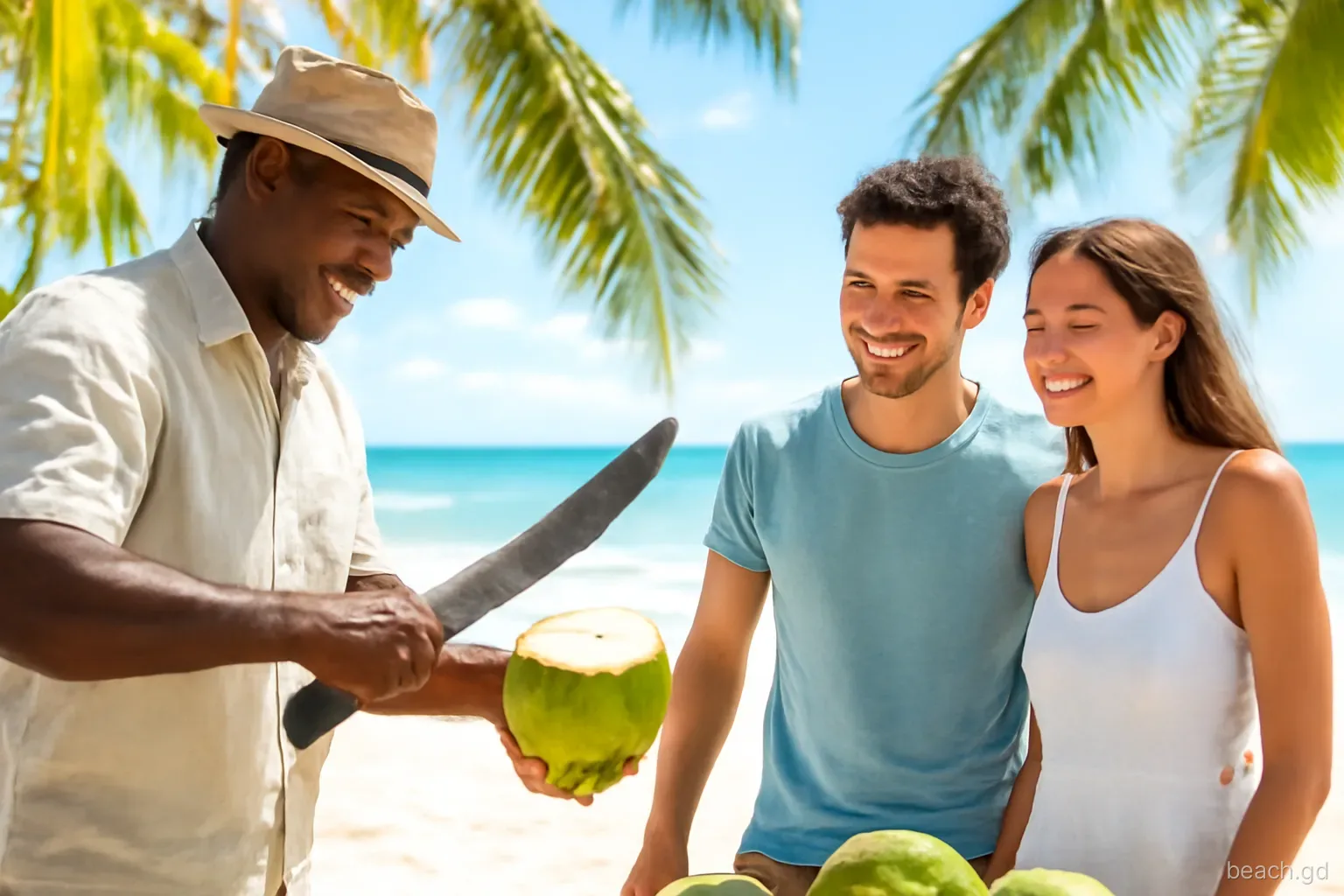
Bring a towel, sit under a sea grape or almond tree, and buy lunch at a local shack or from a cookshop near the beach: a roti or a plate of fish with sides typically costs somewhere around EC$20–45. A local beer at a rum shop is usually around EC$5–8 and a coconut from a vendor a few EC dollars.
Realistically, two people can have a full beach day this way for roughly EC$80–150 (around US$30–55) including transport, lunch and a few drinks. It is also how many Grenadians spend a Sunday, so it puts you right in the middle of local beach life.
The mid-range day
Take a taxi to the beach, or drive a rental car. Taxi fares on the south coast follow a published fare structure for common routes, but the actual price depends on distance, time of day and the number of passengers; confirm the fare and currency before you set off. Short south coast hops commonly cost in the region of US$15–30 one way, more for longer trips.
Rent a pair of loungers and an umbrella, often around US$10–25 for the day on busy beaches, or get them free by eating at a beach restaurant that includes chairs for customers. Lunch at a beach restaurant, with a main course of fish or chicken, usually costs roughly US$15–35 per person before VAT and service, plus a couple of drinks.
A couple might spend roughly US$100–200 for the day this way, depending on the taxi distance and how many rum punches the afternoon involves. This is the most common visitor pattern on Grand Anse and Morne Rouge.
The hotel deck day
Some resorts sell day passes to non-guests, giving access to loungers, pool, towels and sometimes a food and drink credit; others do not allow day visitors at all, and policies change with occupancy. Where they exist, day passes vary widely in price, from tens to well over a hundred US dollars per person, so ask the hotel directly.
Food and drink at resort bars cost more: cocktails commonly around US$8–14 and main courses well above beach shack prices, with 15% VAT and often a 10% service charge added. On the plus side you get cushioned loungers, clean toilets, showers and attentive service.
For two people, a hotel deck day with lunch, drinks and a day pass can run to several hundred US dollars. It suits a special occasion or a day when shade, facilities and quiet matter more than cost.
When prices rise, and when they ease
Beach prices in Grenada are not fixed through the year. The peak visitor season, roughly mid-December to April, brings full hotels and regular cruise ship calls, and on cruise days the busiest stretches of Grand Anse see more demand for chairs, water taxis and tours. Rental operators and some bars charge more, or simply run out of loungers by late morning.
Public holidays and long weekends, including Easter, Emancipation Day in August and the Carnival period, put local families on the beaches in large numbers. Prices do not necessarily rise, but space does run out, and parking near popular beaches becomes difficult.
From about May to November, outside the main holidays, things are calmer. Some hotels lower rates and some day passes become easier to get, while a few beach businesses reduce hours or close for a break, particularly in September and October. If a specific bar or operator matters to your plans in the low season, check they are open.
Beyond the south coast: different costs elsewhere
Most of the price examples above reflect the south-west, where tourism is concentrated. On the Atlantic side, at beaches such as Bathway, and on the leeward coast north of St George's, there are fewer chair rental operators and hotel bars, and prices at village shacks are generally lower. The main extra cost is transport, since a taxi to the north-east is a much longer trip than a south coast hop.
In Carriacou, beach days are usually cheap once you are on the island: there is little to rent and the main costs are water taxis, food from town and drinks. Getting there by ferry or plane is the main expense, so it makes sense to plan several beach days rather than one.
Wherever you go, the pattern holds: the beach itself is free, and what you spend depends on how much comfort, convenience and service you choose to buy.
One practical tip applies everywhere: decide the day's rough budget in EC dollars before leaving your accommodation and carry roughly that amount in small notes. It avoids the poor-rate change that comes with paying in US dollars and makes it easy to see how the day is going.
Extras that add up
Beyond lunch and chairs, these are the costs that most often surprise visitors at the end of a beach day.
- Water taxi to the Underwater Sculpture Park or another beach: priced per person or per boat; shared snorkel trips commonly start around US$40–80 per person.
- Marine park fee: a per-visit entry fee applies in the Molinere–Beausejour protected area and has been revised in recent years; ask whether your trip includes it.
- Snorkel gear hire: from dive shops and some beach operators; bringing your own mask saves money and fits better.
- Jet skis, banana boats and paddleboards: priced by the ride or the hour; agree the price and time first.
- Card surcharges: some businesses add a fee for card payments.
- Change at a poor rate: paying US$20 for an EC$15 item can lose you a few EC dollars each time.
- Sunscreen bought on the island: imported and expensive, so pack enough.
Ways to spend less without missing out
A cheaper beach day in Grenada is not a worse one; many of the best experiences cost very little, and spending the local way tends to put more of your money directly into Grenadian households rather than into imported goods.
- Carry EC dollars in small notes and pay in local currency.
- Use route buses in daylight on main routes; keep taxis for evenings and remote beaches.
- Eat lunch where locals eat, and order the catch of the day rather than imported items.
- Buy water, snacks and a bottle of local rum at a supermarket for your accommodation.
- Choose free shade over rented umbrellas, and arrive early to get it.
- Visit in the quieter months, roughly May to November, when some prices and day-pass rates soften.
- Bring your own snorkel mask and a reusable water bottle.
Frequently asked questions
Are beaches in Grenada free to visit?
Yes. All beaches in Grenada are public and there is no entry fee to the sand, including Grand Anse in front of the hotels. Costs come from transport, chair rental, food and drink, and activities. Marine protected areas such as Molinere–Beausejour charge fees for activities in the water, not for using a beach.
How much is a taxi to Grand Anse Beach?
It depends on where you start and the time of day. Taxis follow a published fare structure for common routes, and short south coast trips commonly cost somewhere around US$15–30 one way. Always agree the fare and whether it is in EC or US dollars before you get in.
How much does a beer cost at a Grenada beach bar?
At a local rum shop or shack, a Carib or Stag commonly costs around EC$5–8. At beach restaurants and hotel bars expect more, often several US dollars, plus VAT and any service charge. Prices vary between places and change over time.
Can you buy a day pass at Grenada resorts?
Some resorts offer day passes to non-guests, usually including loungers, pool access and sometimes a food and drink credit. Others do not accept day visitors, especially when occupancy is high. Contact the resort directly to ask about availability, price and what is included.
Is Grenada expensive for a beach holiday?
It can be either. Hotel-based beach days on the south coast are priced at Caribbean resort levels, while local transport, shack lunches and rum shop drinks are inexpensive. Mixing the two, with most days spent the local way and the occasional splurge, keeps costs down without missing anything.