Divers who knew Grenada's reefs in the 1990s often describe shallow coral gardens that are now rubble. Newer visitors may notice brown seaweed piled on Atlantic beaches, or ask why bright coral is turning white in late summer. These are not isolated problems: they are the local face of pressures affecting reefs across the Caribbean.
This explainer sets out the main threats to Grenada's reefs and coastline, how each one shows up on the beach or in the water, and what is being done. It is written to be accurate rather than alarming: reefs here are damaged but far from lifeless, and some recovery and restoration is happening.
Hurricanes: Ivan, Emily and Beryl
Grenada was for a long time considered south of the main hurricane belt, but in 2004 Hurricane Ivan struck the island directly, causing enormous damage on land and breaking up shallow reefs along exposed coasts. Hurricane Emily followed in 2005, adding further damage, particularly in the north and in Carriacou.
In July 2024, Hurricane Beryl hit Carriacou and Petite Martinique hard. As well as devastating homes and infrastructure, wave action and debris damaged reefs, seagrass and mangroves, including in the Sandy Island Oyster Bed Marine Protected Area. Conservation groups have since been assessing and restoring damaged areas.
Healthy reefs can recover from storm damage over years or decades, especially where branching corals regrow from fragments. The problem is that storms now combine with other stresses, so reefs have less time and capacity to bounce back before the next blow.
Coral bleaching and warming water
Corals live in partnership with tiny algae inside their tissues, which give them colour and much of their food. When water stays too warm for too long, corals expel these algae and turn white, which is bleaching. Bleached corals are not dead, but if high temperatures persist they starve and die, and even survivors are weakened and more vulnerable to disease.
The Caribbean has experienced several mass bleaching events, including in 2005 and a severe, widespread event in 2023 that extended into 2024. Grenada's reefs were affected. Bleaching typically shows up in late summer and early autumn, when sea temperatures peak, roughly August to October.
There is little individual visitors can do about ocean temperatures, but reducing other stresses, such as physical damage, pollution and overfishing, gives corals a better chance of surviving warm spells. That is the logic behind marine protected areas and reef-friendly habits.
Sargassum seaweed
What it is. Sargassum is a floating brown seaweed that drifts in large mats across the Atlantic. Since about 2011, unusually large blooms have repeatedly reached the Caribbean, including Grenada.
Where it lands. Mainly on the windward Atlantic coast, at beaches such as Bathway, the east coast bays and Carriacou's windward shores. Leeward beaches like Grand Anse are less affected, although strandings there have occasionally been reported.
When. Strandings vary from year to year but are generally heaviest in the warmer months, roughly spring to autumn.
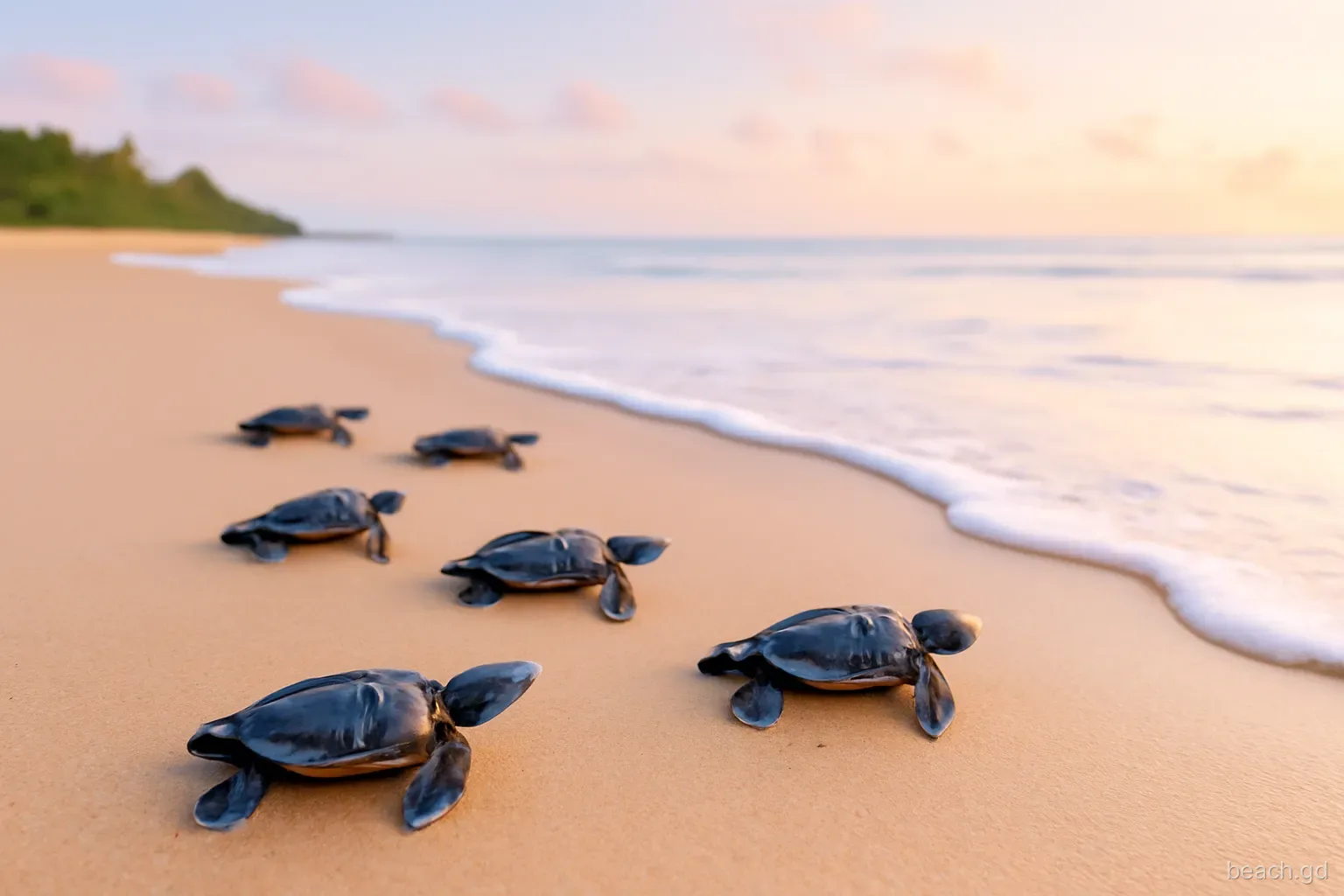
The effects. Thick mats block sunlight to seagrass and coral, and rotting piles on the beach release hydrogen sulphide, which smells of rotten eggs and can irritate people with breathing problems. On nesting beaches, heavy strandings can block turtles and trap hatchlings.
What to do. Check conditions locally before driving to an east coast beach, avoid swimming through thick mats and keep away from large rotting piles.
Lionfish, run-off and disease
Lionfish, native to the Indo-Pacific, spread through the Caribbean in the 2000s and are now established around Grenada. They eat large numbers of small reef fish and have few natural predators here. Divers and fishers remove them, and lionfish is increasingly served in restaurants as a way to keep numbers down.
Land-based pollution is a quieter but serious threat. Heavy rain washes soil from construction sites, farms and cleared hillsides into rivers and then onto reefs, where sediment smothers corals and nutrients feed algae. Inadequate sewage treatment adds nutrients too. This is why reefs near river mouths and developed coastlines often look worse.
Coral diseases have spread across the Caribbean in recent decades, including stony coral tissue loss disease, which has affected many islands since it was first detected in Florida in 2014. Its status around Grenada changes over time, so ask local dive operators, who follow monitoring reports closely.
What visitors actually notice
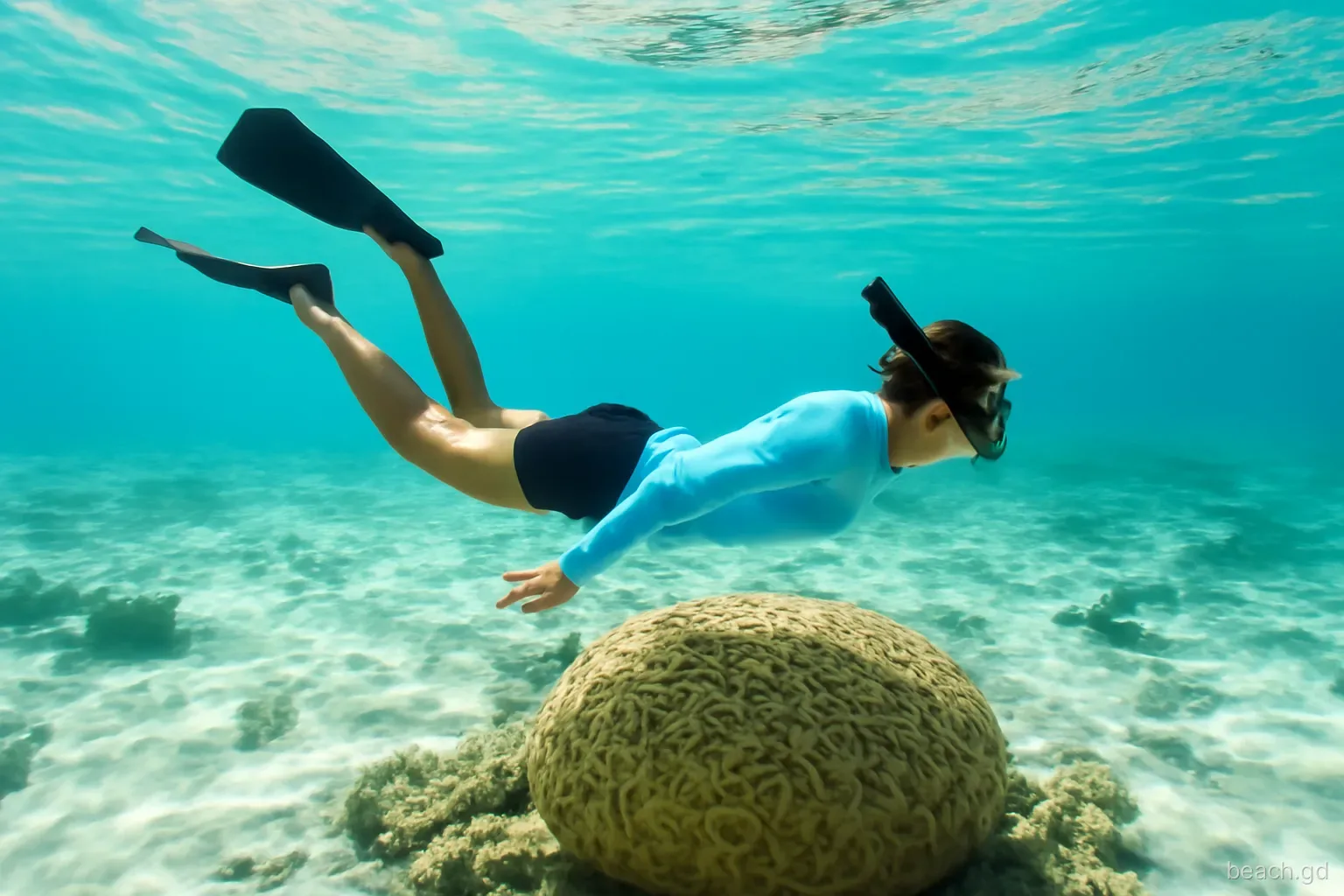
On a typical snorkel trip, the effects of these pressures show up in specific ways. In shallow water near shore, you may see broken coral rubble, patches covered in algae and fewer large branching corals than older guidebooks describe. Further out and deeper, and in well-protected sites, the reef often looks healthier, with sponges, sea fans, soft corals and plenty of fish.
On the beach, the signs include sargassum piles on the Atlantic side in some months, erosion scarps after swells, and debris along the high-tide line on windward beaches. In late summer during warm years, dive guides may point out bleached corals.
None of this means a beach or snorkel trip is not worthwhile. It does mean choosing sites thoughtfully, asking operators about conditions and understanding that what you see is a living system under pressure rather than a postcard.
Coastal erosion and the beach itself
Reefs and beaches are linked. Healthy reefs break waves offshore, and much of the white sand on Caribbean beaches is produced by reef organisms and parrotfish. When reefs decline, beaches change too.
- Erosion is visible on several coasts, with fallen trees, exposed roots and shrinking beaches after storms and swells.
- Sea level rise adds to the pressure on low-lying coasts and on infrastructure built close to the shore.
- Sand removal from beaches for construction has been a problem in parts of the Caribbean and is restricted; never take sand.
- Mangrove loss removes natural storm protection and fish nurseries.
- Building too close to the shore interferes with natural sand movement; planning rules control coastal development.
- Nesting turtles lose habitat when beaches narrow or are lit up by development.
Restoration and what gives cause for hope
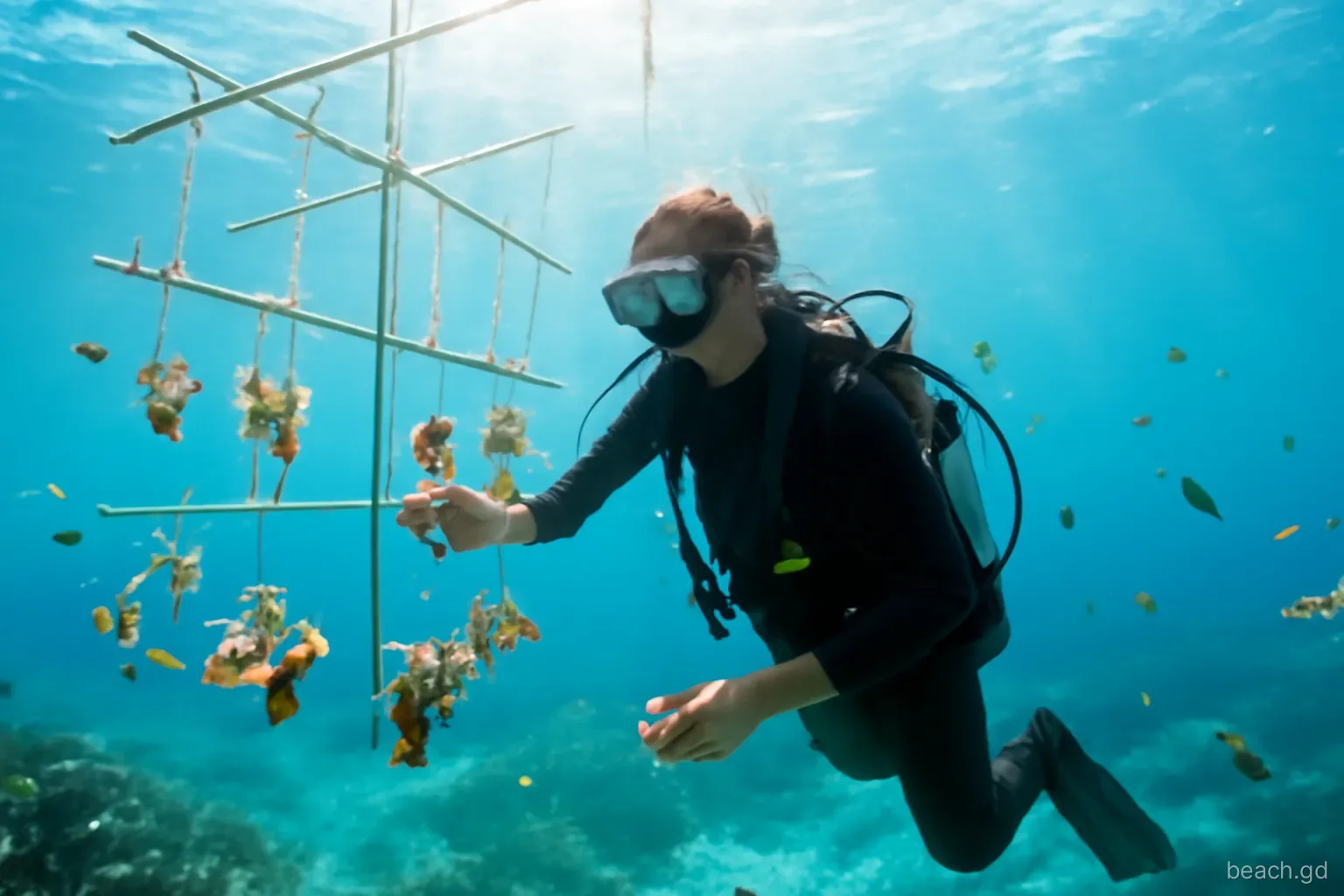
Coral restoration has grown across the Caribbean, and Grenada is part of it. Conservation groups, researchers and dive operators have grown coral fragments in underwater nurseries, often on frames or lines, and transplanted them onto damaged reefs. Mangrove replanting, particularly in Carriacou after Beryl, aims to rebuild natural coastal defences.
The Underwater Sculpture Park at Molinere, begun in 2006, was partly intended to draw divers and snorkellers away from fragile natural reefs while creating new surfaces for coral and sponges to grow on. Over the years, many sculptures have become encrusted with marine life.
Marine protected areas, closed seasons for lobster, turtles and sea urchins, and the leatherback monitoring programmes on the north-east coast all show that protection can be organised. Their success depends on enforcement, funding and public support, which is where visitors who pay fees and follow the rules play a part.
How visitors can help, briefly
Individual actions will not reverse ocean warming, but they reduce local stress on reefs and support the people doing restoration work. They also cost little or nothing, which makes them easy to build into an ordinary beach holiday rather than treating conservation as a separate activity.
- Pay marine park fees and choose operators that use moorings.
- Use mineral sunscreen and a rash vest, and never stand on coral.
- Eat lionfish and avoid undersized or out-of-season seafood.
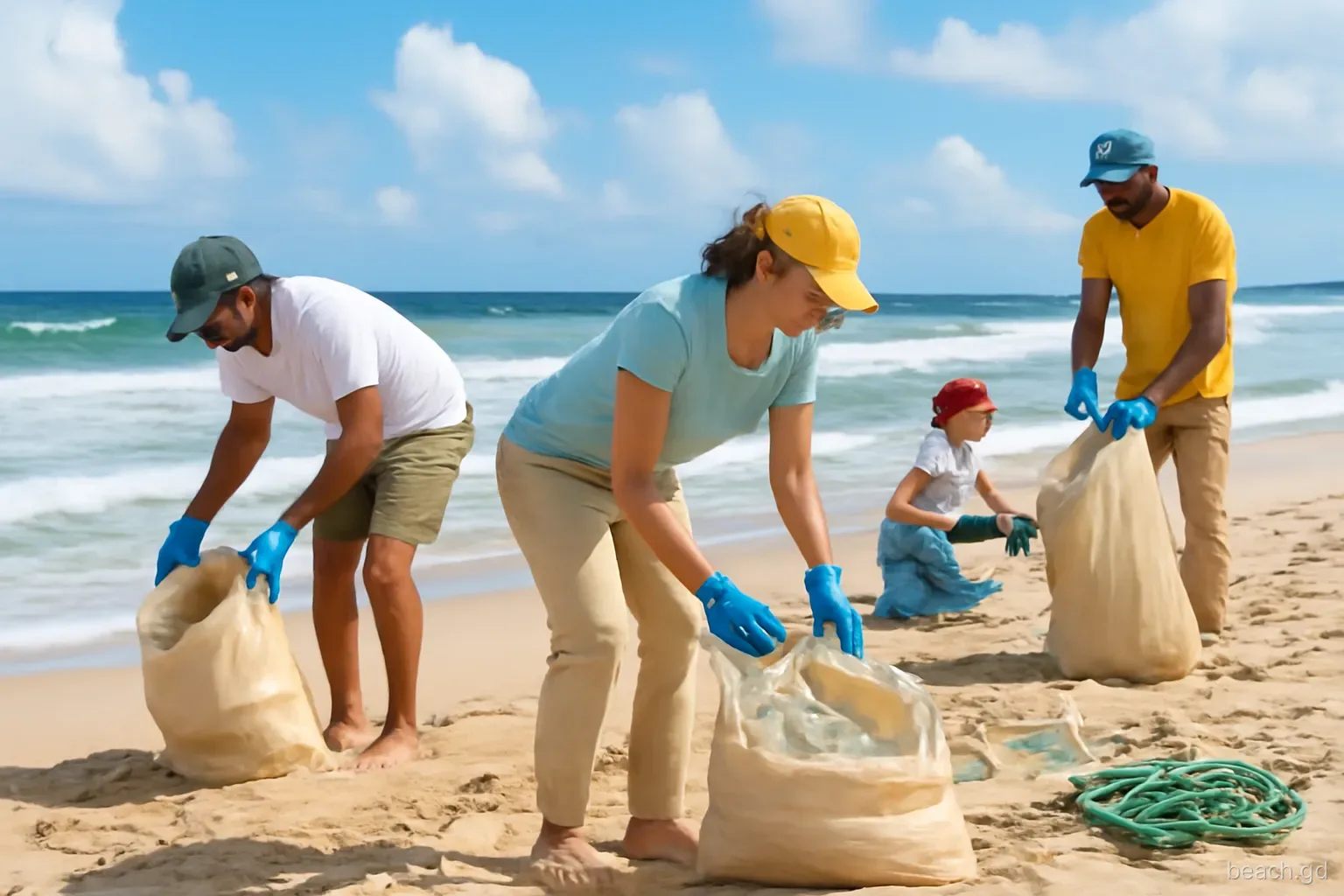
- Take part in beach clean-ups and take your own rubbish home.
- Support local conservation groups through donations or volunteering where programmes accept visitors, and book turtle watching through authorised guides.
- Report damage, illegal fishing or sick and injured marine life to your operator or the Fisheries Division, with the location and time.
Frequently asked questions
Are Grenada's reefs still worth snorkelling?
Yes. Shallow reefs have suffered from hurricanes and bleaching, but there are still healthy patches, abundant reef fish, turtles, sponges and soft corals, particularly in protected areas and on deeper reefs. Managing expectations helps: do not expect walls of hard coral close to shore, but there is plenty to see.
When is sargassum seaweed worst in Grenada?
Strandings vary from year to year, but are generally heavier in the warmer months, roughly spring to autumn, and mostly affect the windward Atlantic coast. Leeward beaches such as Grand Anse are usually clear. Ask locally before driving to an east coast beach, as conditions change within days.
What does coral bleaching look like?
Bleached coral turns pale or bright white because it has expelled the algae living in its tissues. It is still alive at first but stressed. Bleaching is most common in late summer and early autumn, when water temperatures peak. Dead coral is usually covered quickly in brown or green algae.
Is sargassum harmful to swimmers?
Floating sargassum is not dangerous to touch, but thick mats are unpleasant to swim through and can hide small stinging creatures. Rotting piles on the beach release hydrogen sulphide, which smells strongly and can irritate people with asthma or breathing problems. Avoid lingering near large decaying heaps.
Who is restoring coral in Grenada?
Coral and mangrove restoration has involved conservation groups, researchers, dive operators and government agencies, often with regional and international partners. Projects change over time, so ask dive shops which programmes are active. Some welcome visiting divers to help with nursery maintenance under supervision.