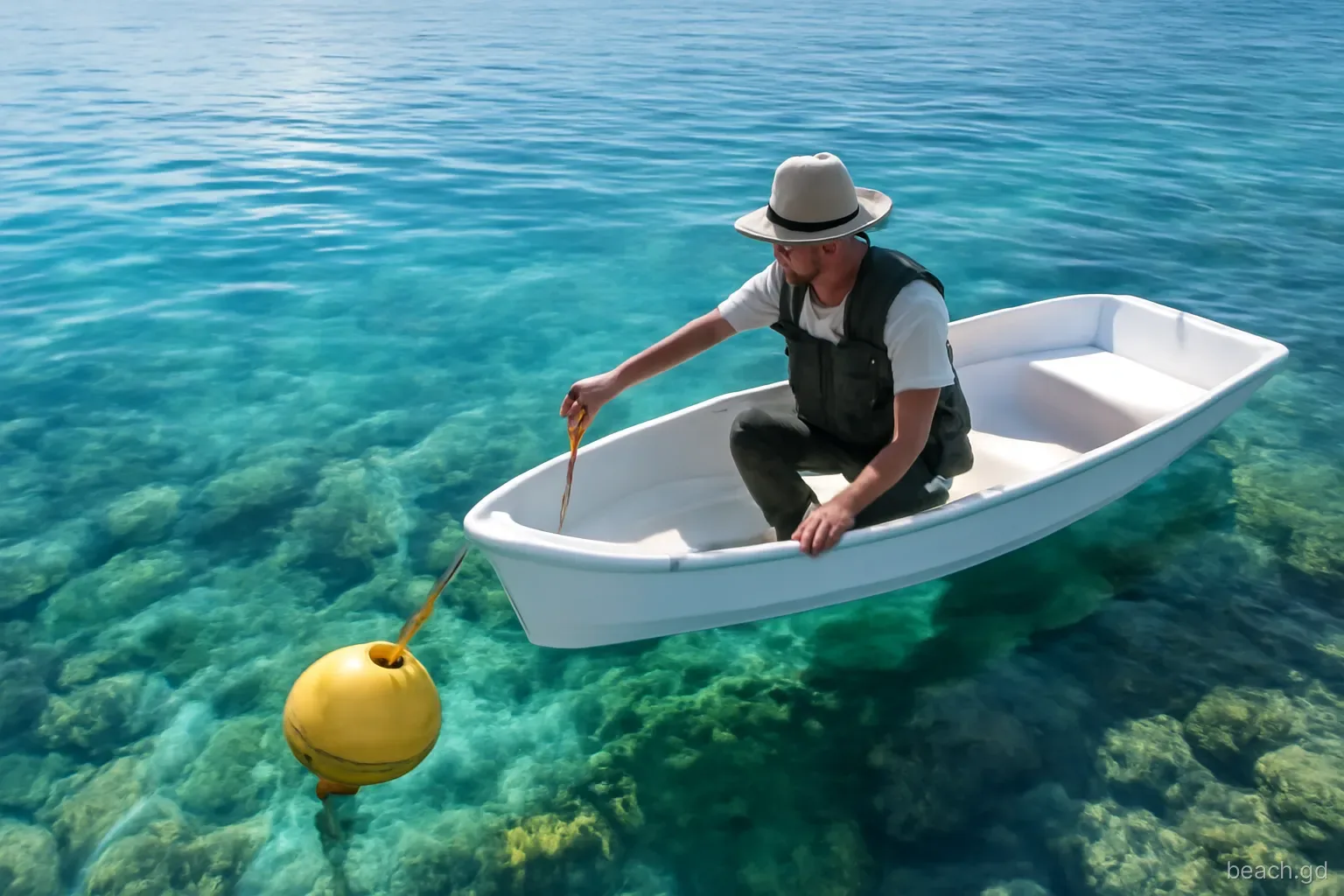
Some of the most popular snorkel and dive spots around Grenada and Carriacou sit inside marine protected areas, or MPAs. These are zones of sea and coastline set aside under fisheries law to protect reefs, seagrass and mangroves while still allowing activities such as snorkelling, diving and sailing under rules.
Visitors are often unsure what this means in practice: whether they need to pay, whether they can fish, where boats can anchor and why rangers occasionally come alongside. This guide explains the three best-known MPAs, the common rules and the fees, which have changed recently.
The three main MPAs
Molinere–Beausejour Marine Protected Area. On the west coast north of St George's, covering the coast and reefs from around Molinere Point to Beausejour Bay. It includes the Underwater Sculpture Park and well-known snorkel and dive sites, and it is the MPA most visitors encounter, usually on a boat trip from Grand Anse or the St George's area.
Woburn and Clarkes Court Bay Marine Protected Area. On the south coast, protecting a system of sheltered bays, mangroves, seagrass and reef around Woburn and Clarkes Court Bay. Fishing communities and yachts share these waters, and the mangroves are important fish nurseries.
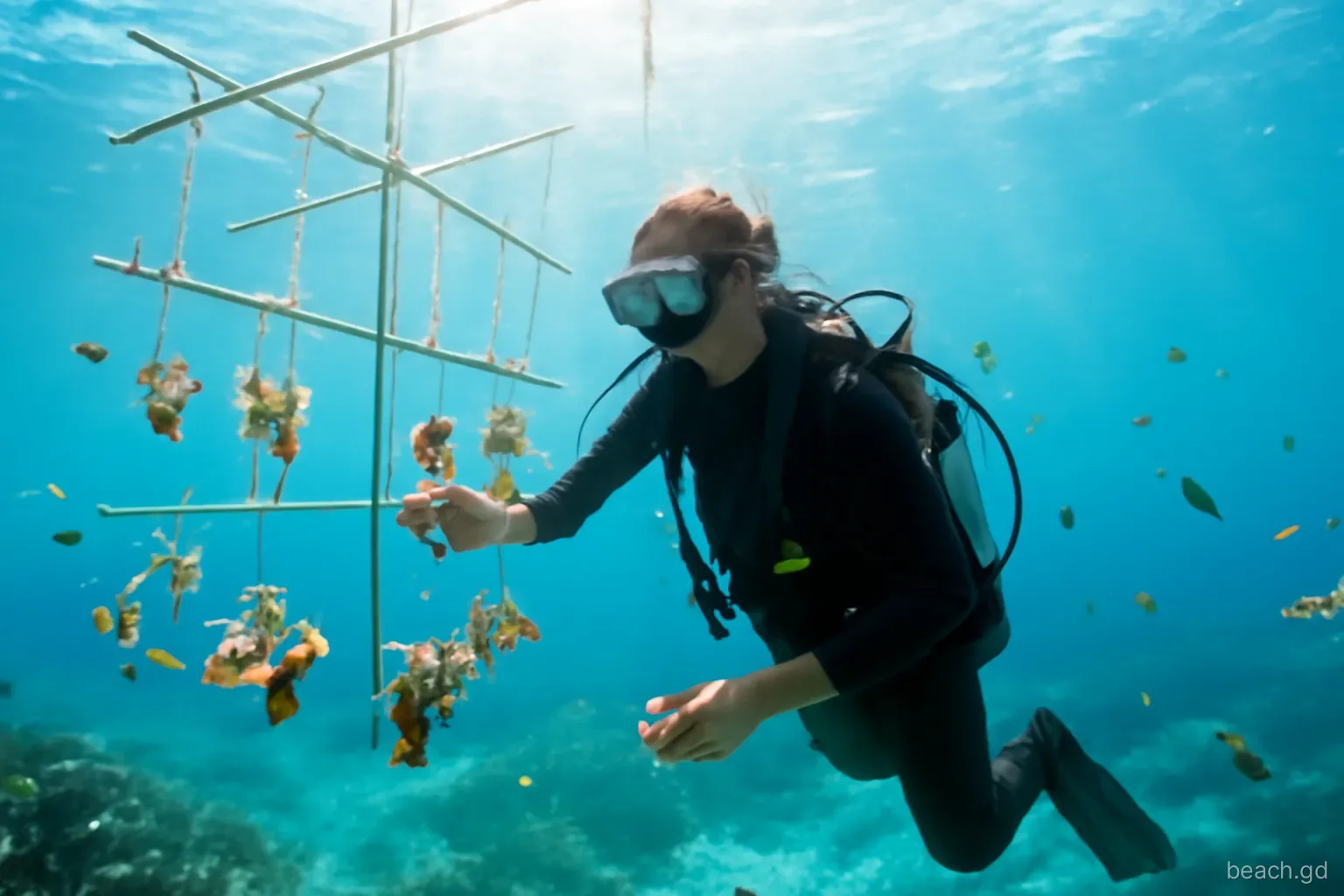
Sandy Island Oyster Bed Marine Protected Area. Around Carriacou, covering Sandy Island off Hillsborough, surrounding reefs and the mangrove lagoon at Tyrrel Bay known as the Oyster Bed. Mangroves and reefs here were damaged by Hurricane Beryl in 2024, and conservation groups have been monitoring and restoring them.
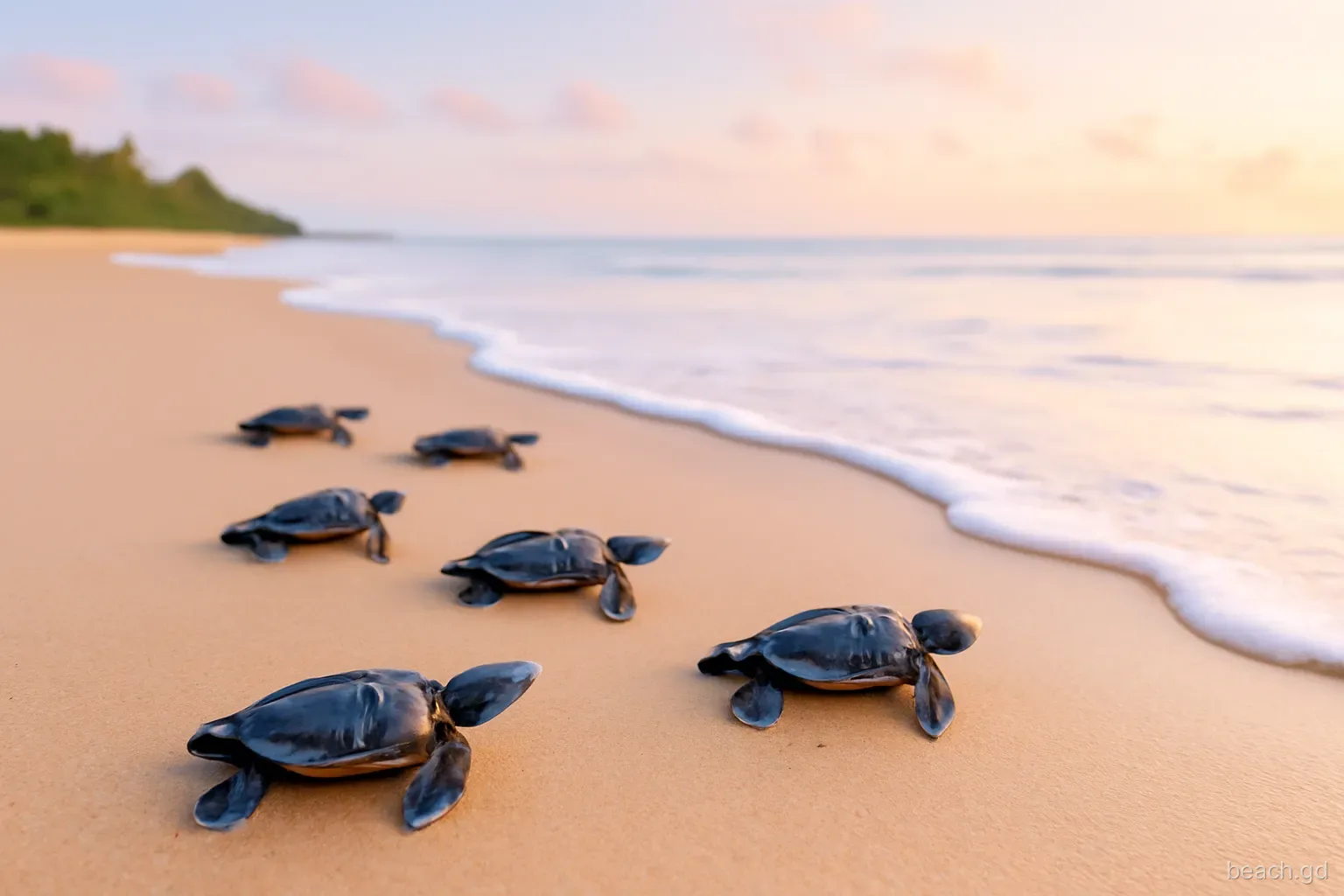
Other protected sites. National parks and protected landscapes such as Levera, including Levera Beach and its offshore islands, add further protection to coastlines and nesting beaches.
What MPAs protect, and why
Grenada's reefs have been hit hard over the past two decades. Hurricanes Ivan in 2004 and Emily in 2005 broke up shallow corals along exposed coasts, bleaching events have killed coral in warm years, and pollution, sediment from land and overfishing add pressure. MPAs are a tool to give reef systems a better chance of recovery by limiting damaging activity.
They protect more than coral. Seagrass beds feed green turtles and shelter young fish; mangroves filter run-off, hold sediment, buffer storms and act as nurseries for snapper, lobster and other species that fishermen depend on. Protecting these habitats helps keep fishing viable outside the MPA boundaries too.
MPAs in Grenada are designated under fisheries legislation and managed with the Fisheries Division, with input from local communities, fishers, dive operators and conservation groups. Rangers patrol, maintain moorings and collect fees, and education and monitoring programmes run alongside enforcement.
The rules that usually apply
Each MPA has its own regulations and zoning, but these principles apply across them. Your boat operator should brief you, and rangers can explain local specifics.
- No removing marine life. Taking shells, coral, sea fans, starfish or living animals is prohibited.
- No spearfishing, and fishing is restricted or banned in some zones; check zoning before fishing anywhere near an MPA.
- Use moorings, not anchors, on reefs. Anchors and chains destroy coral; yachts and dive boats should use the mooring buoys provided, or anchor only on sand in permitted areas.
- Do not stand on or touch coral. Even a brief touch can damage the living tissue.
- Slow down. Speed limits or no-wake rules may apply near swimmers, snorkellers and moorings.
- No littering or discharging waste. Holding tanks and rubbish must be dealt with properly.
- Pay the applicable fees, which fund rangers, moorings and monitoring.
Fees: what to expect
Fees have been part of MPA management in Grenada for years, particularly for yachts using moorings and for divers and snorkellers. In May 2025 a per-visit entry fee for the Molinere–Beausejour protected area, including the Underwater Sculpture Park, was introduced through the Grenada Tourism Authority, starting at US$3.50 per person and scheduled to rise in stages from October 2026. Separate activity and mooring fees under fisheries rules also apply in some cases.
For most visitors, the practical point is that a snorkel or dive operator usually collects the fee as part of the trip price or adds it on. Ask clearly whether the MPA fee is included. Yachts typically pay mooring fees to rangers or through the official payment system for each night.
Fee levels and collection methods can change, so treat any figure as a guide and check the current amount with your operator, the Fisheries Division or the tourism authority before you go.
Visitors sometimes grumble about paying to swim in the sea, but the money is what keeps moorings in place and rangers on the water. Without moorings, every boat would anchor, and a single season of anchors dropping on the same reef can undo years of growth.
Mistakes visitors and skippers make
Most problems in MPAs are caused by people who simply did not know the rules rather than by deliberate damage. These are the recurring ones that rangers, dive guides and fishers mention most often.
- Anchoring a yacht or small boat on coral or seagrass instead of using a mooring or sand.
- Picking up a "dead" shell that is actually home to a hermit crab, or is protected under MPA rules.
- Standing on reef to rest or fix a mask, especially beginners in shallow water.
- Feeding fish, which changes behaviour and harms their health.
- Fishing from a boat inside a no-take zone without checking boundaries.
- Assuming the trip price includes the MPA fee when it does not, leading to an awkward surprise.
- Speeding through moorings or snorkel areas on water taxis or jet skis.
A visit to an MPA, step by step
For a typical snorkel or dive trip into Molinere–Beausejour or around Sandy Island, the process is simple once you know what to expect.
- Book with an operator that visits the MPA regularly and ask whether the entry fee is included.
- Bring your own well-fitting mask if possible, mineral sunscreen or a rash vest, and water.
- Listen to the briefing on the boat; it covers the site, currents and the rules for the area.
- The boat ties up to a mooring buoy rather than anchoring; wait for the signal before entering the water.
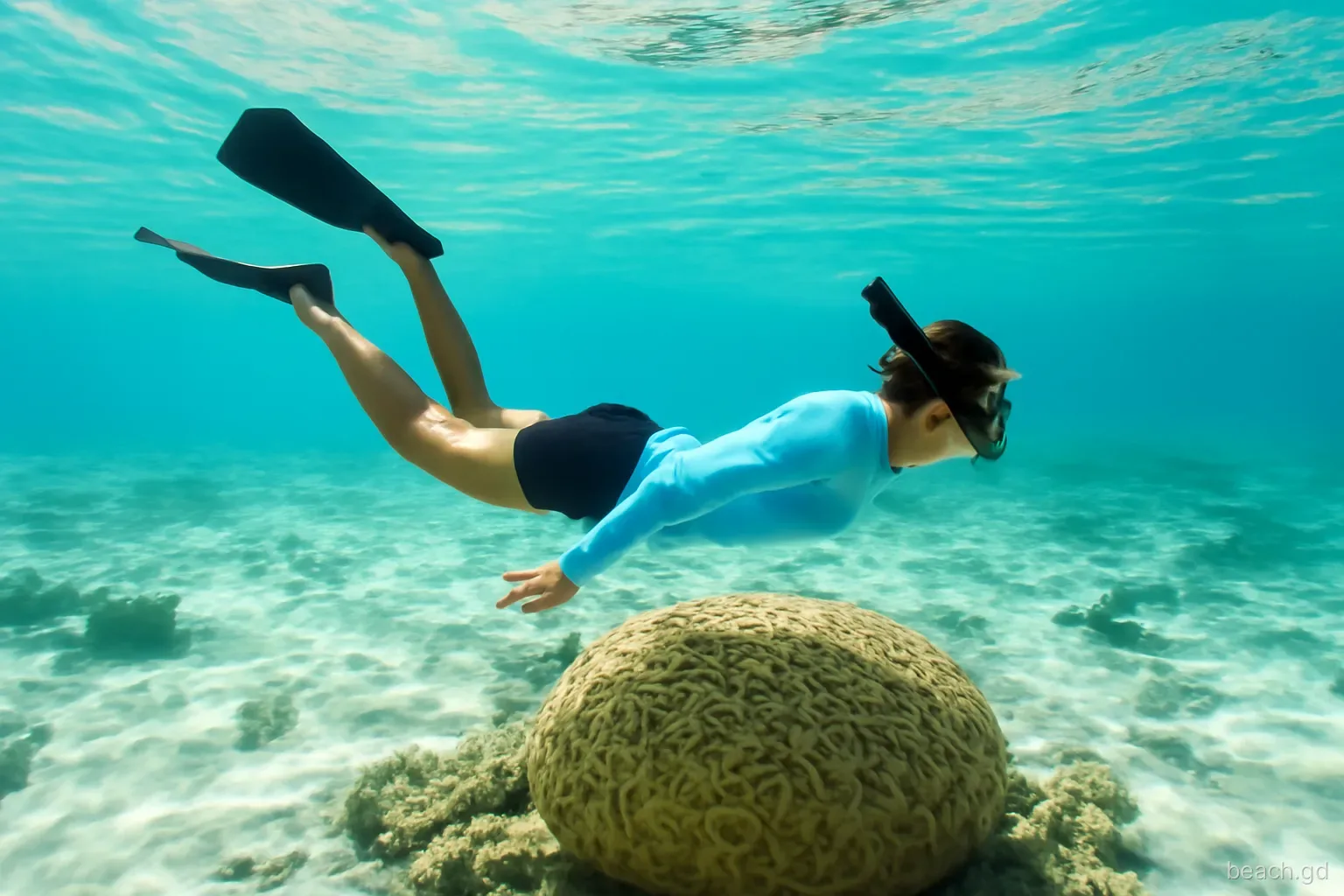
- Snorkel or dive without touching anything, keep fins off the bottom and give turtles and fish space.
- If a ranger boat comes alongside, it is usually a routine check of moorings or fees; the operator will handle it.
- Take all rubbish back to shore, including small items such as wrappers and bottle caps.
How visitors can support the MPAs
Beyond following the rules, there are practical ways to help Grenada's protected areas succeed. MPAs depend on public support as much as enforcement, and visitors are a large part of the public that uses them, so small choices add up across a season.
- Pay fees willingly; they fund rangers, moorings, signage and monitoring.
- Choose operators that use moorings, brief guests and keep groups small.
- Report damage, illegal fishing, anchoring on reefs or injured wildlife to your operator or the Fisheries Division.
- Eat lionfish when offered; it is an invasive species from the Indo-Pacific that preys on native reef fish and has no natural predators here.
- Avoid buying shells, coral or turtle shell products.
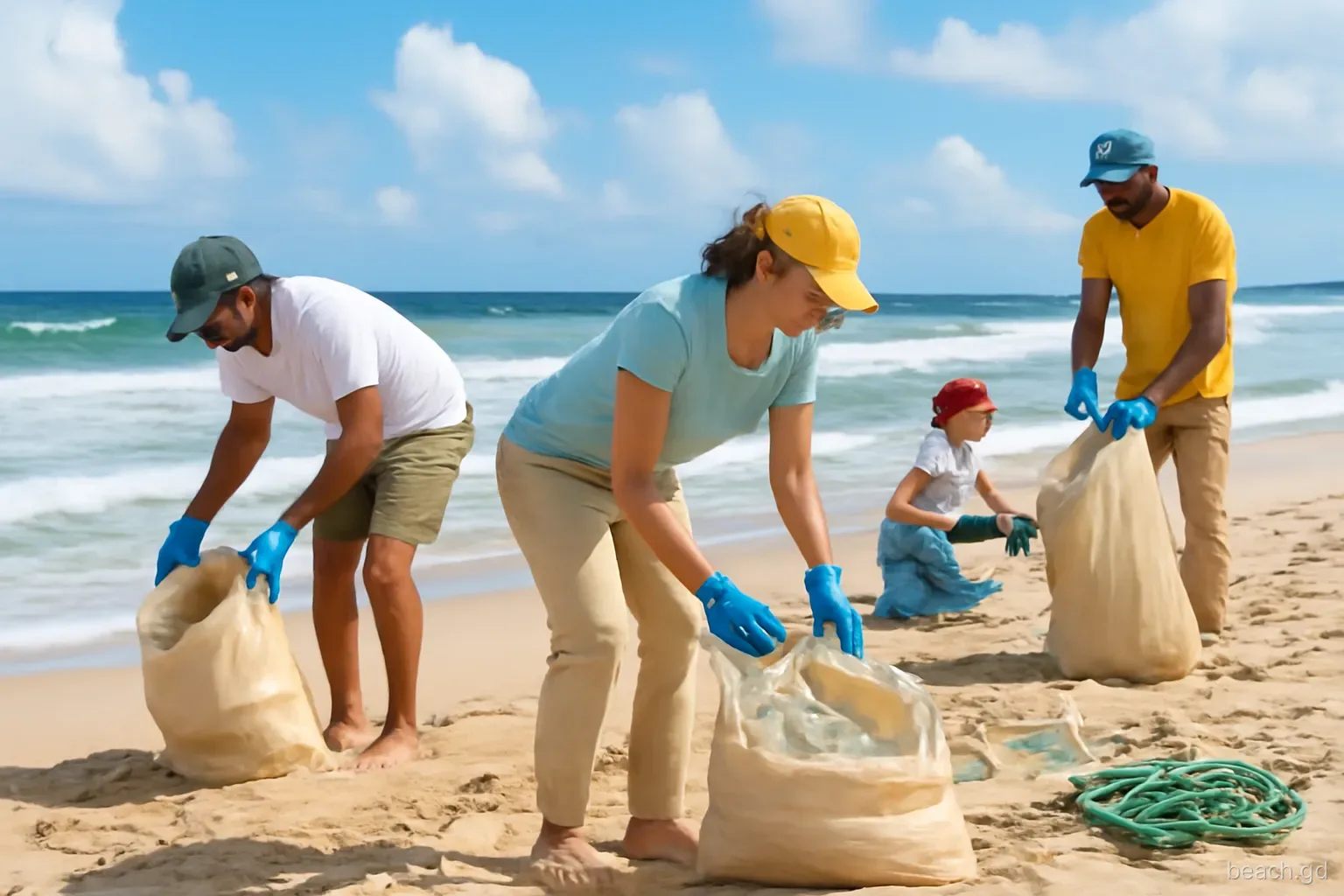
- Join or support beach and reef clean-ups organised by local groups and dive shops.
- Respect fishers working in or near MPAs; their cooperation is central to how the zones are managed.
Frequently asked questions
Do you have to pay to snorkel at the Underwater Sculpture Park?
Yes. The park is inside the Molinere–Beausejour Marine Protected Area, and a per-visit entry fee applies to snorkellers and divers. The amount has been revised in recent years, so check it before you go. Most operators include or collect it, but ask whether your trip price covers it.
Can you fish in Grenada's marine protected areas?
Fishing is restricted or prohibited in parts of the MPAs, and spearfishing and removing marine life are banned. Rules vary by zone and some areas allow traditional fishing under conditions. If you plan to fish anywhere near an MPA, check the zoning and rules with the Fisheries Division first.
Where can yachts moor in the MPAs?
MPAs provide mooring buoys in popular areas to prevent anchor damage. Yachts should use these where available and pay the applicable fee, or anchor only on sand in permitted areas. Rangers can advise on locations and fees, and cruising guides list mooring fields.
Who manages marine protected areas in Grenada?
MPAs are designated under fisheries legislation and managed with the Fisheries Division of the Ministry responsible for fisheries, working with local communities, fishers, tourism businesses and conservation groups. Rangers patrol, maintain moorings and collect fees, while partners support monitoring and education.
Is Sandy Island in Carriacou protected?
Yes. Sandy Island lies within the Sandy Island Oyster Bed Marine Protected Area, which also includes nearby reefs and the mangroves at Tyrrel Bay. Rules on anchoring, removing marine life and littering apply. The island has no facilities, so take all rubbish with you.