No beach in Grenada is crowded in the way Mediterranean or Florida beaches are crowded. But the busy ones do fill up at predictable times, and if you want sand to yourself, those patterns are worth knowing. A cruise ship morning at Grand Anse, a Sunday afternoon at a favourite family beach or a public holiday anywhere near St George's feel very different from the same spots on a Tuesday at 8am.
This piece is about timing first and place second. It explains who uses Grenada's beaches when, how to read the cruise calendar, which hours and seasons are quietest, and how to choose a quieter alternative without driving across the island. The goal is not to avoid people, who are part of the pleasure of a Grenadian beach, but to choose your day knowingly.
Who uses the beaches, and when
Three groups shape the rhythm of Grenada's beaches. Residents swim early in the morning before work, after work in the late afternoon and, above all, at weekends and on public holidays, when families and friends gather for a beach lime with food, music and a cooler. Stay-over visitors spread across the day, peaking from late morning to mid-afternoon. Cruise passengers arrive in waves on ship days, mostly between about 10am and 3pm.
The result is a predictable pattern. Weekday mornings are quietest almost everywhere. Weekday middays are moderate except near the cruise port on ship days. Saturday and Sunday afternoons are busy at the best-known family beaches, and public holidays are busiest of all. Evenings belong to residents and to sunset drinks.
Once you see the pattern, a quiet beach is mostly a question of choosing the right hour and avoiding a handful of predictable peaks.
Cruise days: read the schedule
The season. Most cruise calls fall between roughly October and April, with the heaviest months in the depth of the northern winter. Summer sees far fewer ships.
The effect. When two or three large ships are in St George's, thousands of passengers come ashore within an hour or two. Many head for Grand Anse and the beaches closest to the port by bus, taxi or water taxi.
How to check. Cruise schedules are published in advance by the port authority and cruise-tracking services, and your accommodation will usually know which days are heavy.
How to adapt. On heavy ship days, go to Grand Anse early and leave by late morning, return after 3pm, or choose a beach further from town. Coves on the south coast beyond Point Salines and the leeward coast north of Grand Mal are far less affected.
Weekends and holidays
Grenadian beaches come alive on days off. That is a pleasure to see, but it is not the time for solitude at the best-known spots:
- Sunday afternoons. The classic time for family limes. Popular beaches near St George's and in the south fill with picnics, music and children from around midday.
- Public holidays. Days such as Easter Monday, Whit Monday, Emancipation Day in early August and Thanksgiving on 25 October draw people to the beach in numbers. Easter weekend in particular is a traditional beach time.
- Carnival. Spicemas reaches its peak in the second week of August, and beaches around the south can be lively in the days around it.
- School holidays. July and August, Easter and Christmas bring more families to the beach on weekdays as well.
- Carriacou festivals. The Regatta around the August holiday and other events fill Carriacou's accommodation and boats, and its beaches feel busier than usual.
- Quiet days. Weekdays outside school holidays, and especially Monday to Thursday mornings, are the emptiest times on almost every beach.
Hours that are almost always quiet
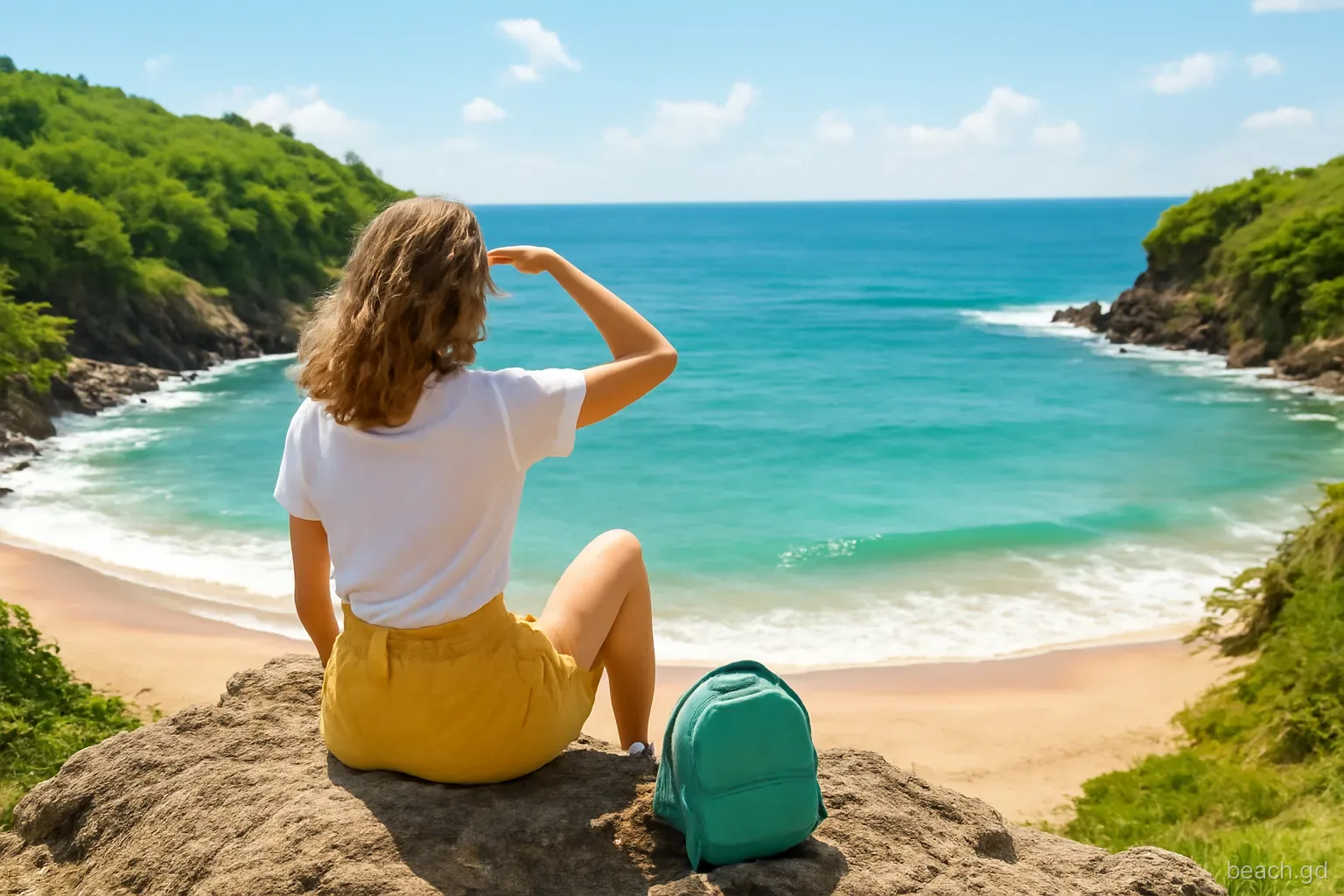
From first light until about 9am, nearly every beach in Grenada is quiet. The water is usually at its calmest, the light is soft, and the only people around are early swimmers, walkers and fishermen. If you only change one habit to find quiet beaches, swimming early is it. It also avoids the strongest sun.
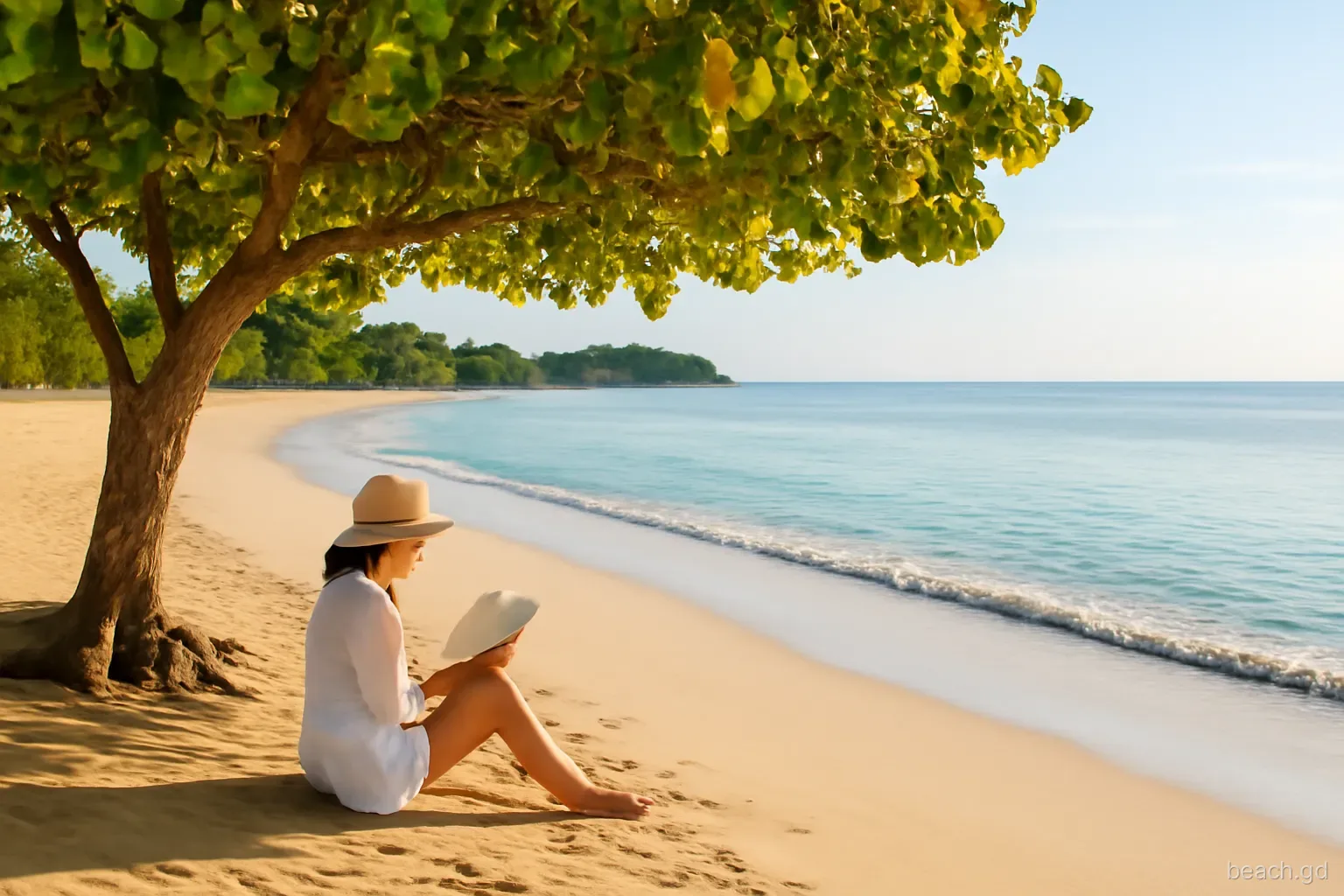
The second quiet window comes in the late afternoon on weekdays, from about 4pm, after cruise passengers have gone back to their ships and before residents arrive after work. The light softens, the sand cools, and the beach often empties for an hour or so before sunset brings a few more people for a swim and a drink.
Midday is the busiest time at popular beaches and the most uncomfortable time to be in the sun anyway. A long lunch in the shade, followed by a return in the late afternoon, gives you two quiet sessions instead of one crowded one.
Choosing a quieter alternative near you
You rarely need to cross the island to find space. The principle is simple: move away from the obvious access point. Practical options:
- At a long beach, walk away from the main entrance, bus stop or bar. Five minutes along the sand often halves the number of people.
- Choose the next bay along. On the south coast, several smaller coves lie within a short drive of Grand Anse; on Carriacou, the islets and northern coves are quieter than Paradise Beach.
- Try the leeward coast north of St George's, where small local beaches see few visitors on weekdays.
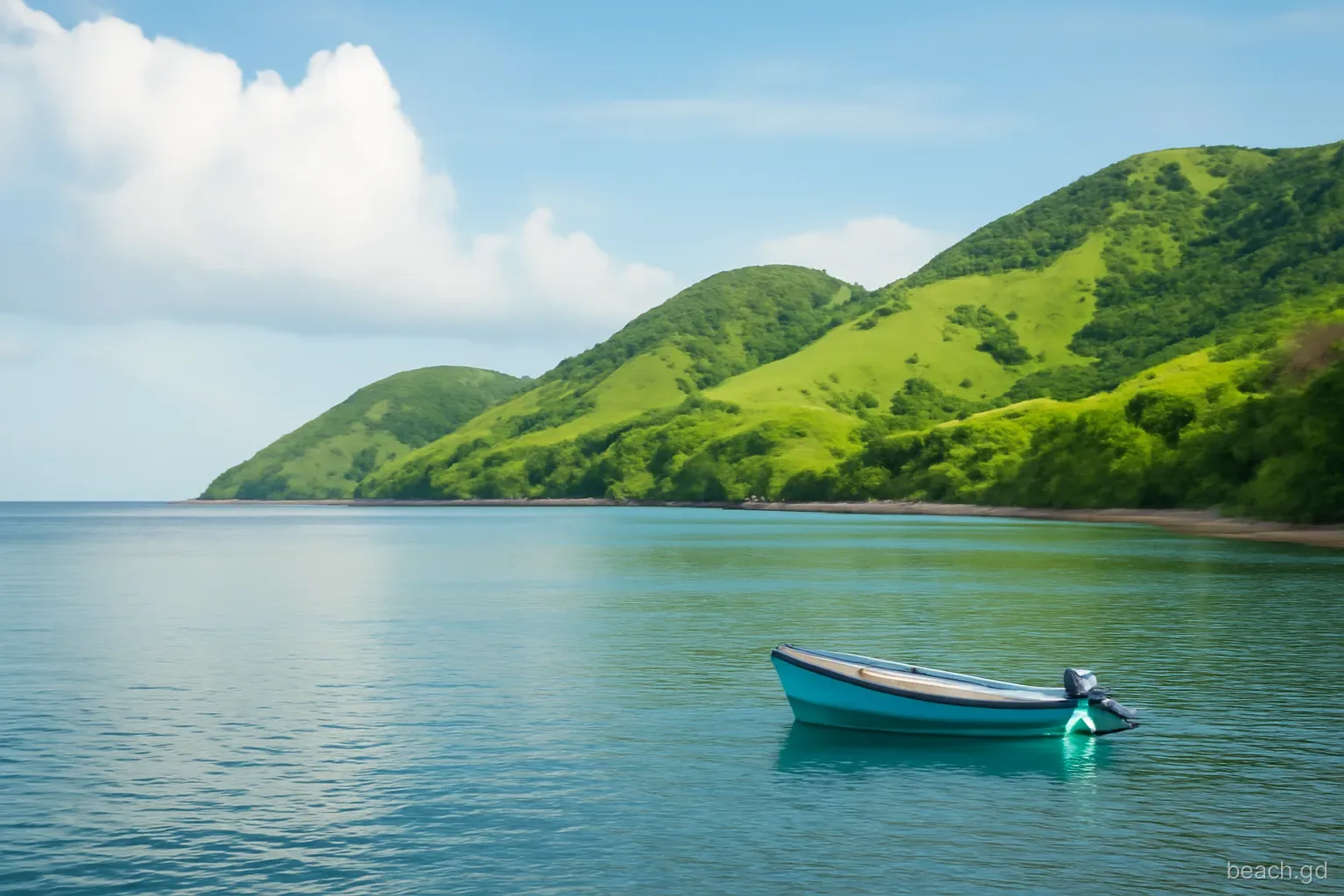
- Consider a boat-only cove. Even a short water taxi ride changes the crowd entirely.
- Go in the low season. From May to November, outside school holidays and big events, many beaches are quiet all day.
- Ask where locals swim on weekdays. The answer is often a small bay you would never find on your own.
- Stay somewhere with its own quiet stretch of shore. Small guesthouses outside the main tourist belt often sit within walking distance of beaches that see only neighbours.
Mistakes when chasing an empty beach
Quiet is good, but the pursuit of an empty beach can lead to choices that bring their own problems. Keep these in mind before heading for the most deserted stretch you can find:
- Choosing a completely empty beach on a rough day. It is often empty for a reason.
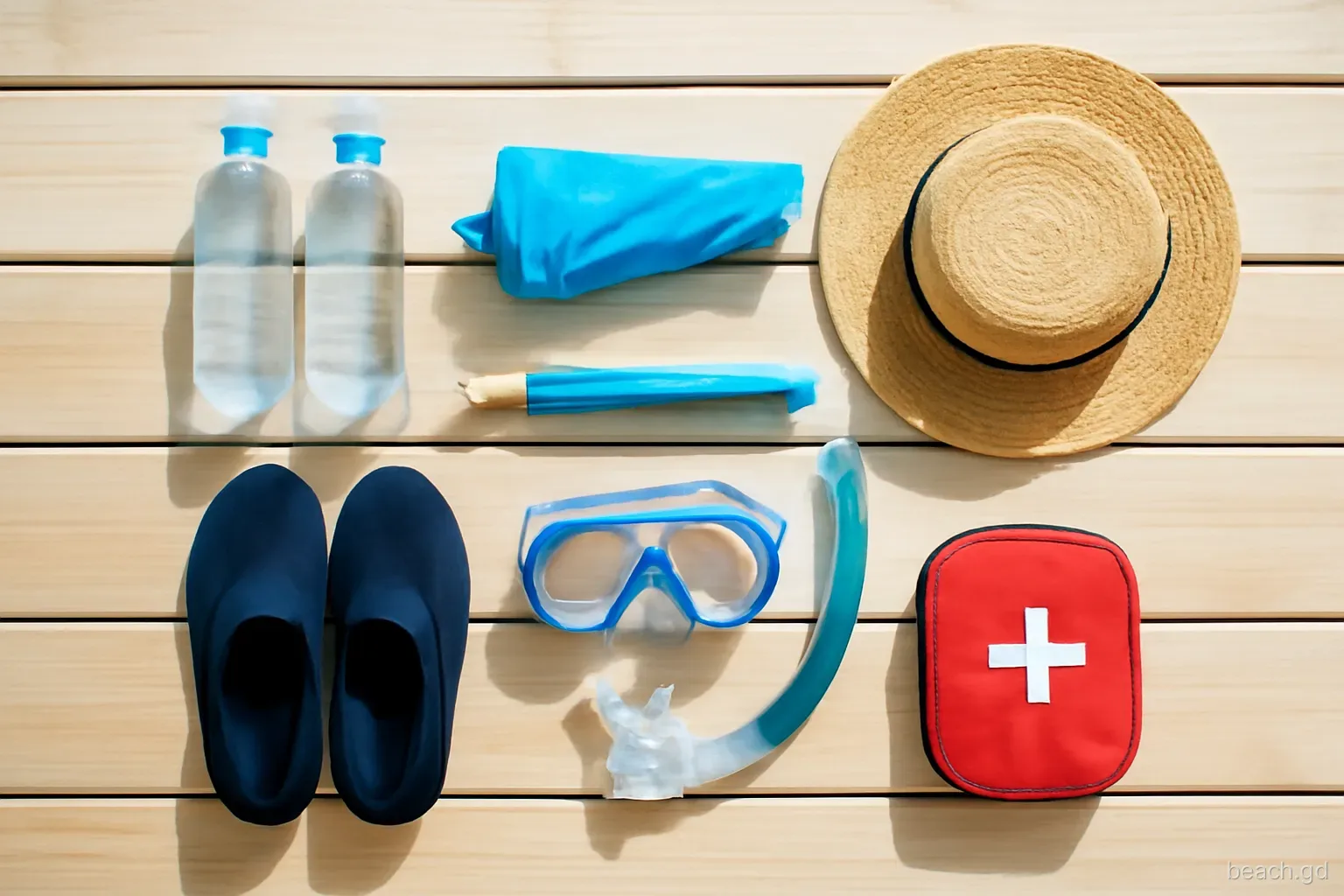
- Heading to a remote cove without water, shade or a plan for getting back.
- Leaving valuables in a car at a deserted roadside spot.
- Assuming a quiet Sunday beach in a village is a private space. Families may arrive later and the beach is theirs too.
- Ignoring the sun at the emptiest hour of the afternoon, which is often the hottest.
- Treating residents' beach limes as noise to escape. Joining the atmosphere, or simply moving along politely, works better than complaining.
A quiet-beach week, in practice
Here is how the principles combine over a week based in the south of the main island, adjusted for a couple of cruise days:
- Monday: Early swim at Grand Anse before 9am, then a long lunch in the shade and a second swim after 4pm.
- Tuesday (cruise day): Head away from town to a south-coast cove or a leeward beach north of Grand Mal; leave Grand Anse to the visitors.
- Wednesday: A boat trip to the snorkel coves north of St George's, booked on the earliest departure.
- Thursday (cruise day): A drive up the leeward coast, swimming at small local beaches on the way.
- Friday: Late-afternoon swim and sunset, when visitors thin out and residents arrive after work.
- Saturday: Morning at a smaller cove; afternoon somewhere shady inland.
- Sunday: Early swim while many people are at church, then join the afternoon atmosphere at a family beach, or retreat to a cove you found during the week.
Frequently asked questions
When are Grenada's beaches least busy?
Weekday mornings, especially before 9am, are quietest almost everywhere. Weekday late afternoons are also calm. Beaches near St George's are busiest on cruise days between about 10am and 3pm, and family beaches fill up on Sunday afternoons and public holidays.
How do cruise ships affect Grand Anse?
On days when several ships are in St George's, many passengers head straight for Grand Anse. The northern and central stretches get busy from late morning to mid-afternoon. Go early, return after 3pm or walk towards the quieter southern end.
Which months are quietest for beaches in Grenada?
The low season, roughly May to November outside school holidays and big events, is quietest. Fewer cruise ships call, and hotels are less full. It is also hotter, wetter and within the hurricane season, so watch forecasts and plan flexibly.
Are Grenada's beaches busy on Sundays?
Popular beaches, especially near St George's and in the south, are busy on Sunday afternoons when families gather for beach limes. Sunday mornings are usually quiet, as many people are at church. Choose an early swim or a smaller beach for peace.
Is it safe to go to an empty beach in Grenada?
Generally yes, with sensible precautions. Tell someone where you are going, do not leave valuables in the car, check sea conditions before swimming and bring water and shade. An empty beach has no lifeguard and nobody to help quickly if something goes wrong.