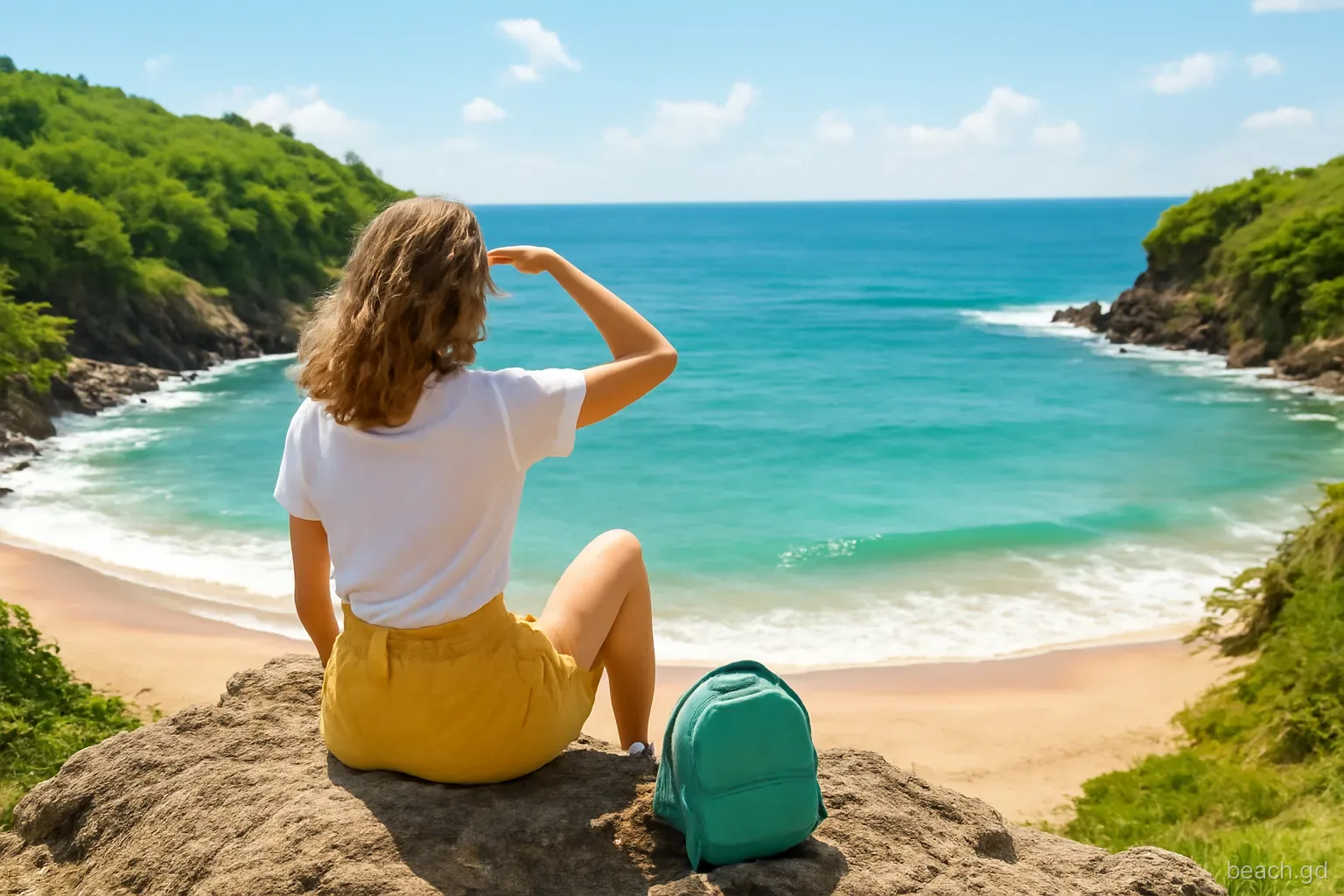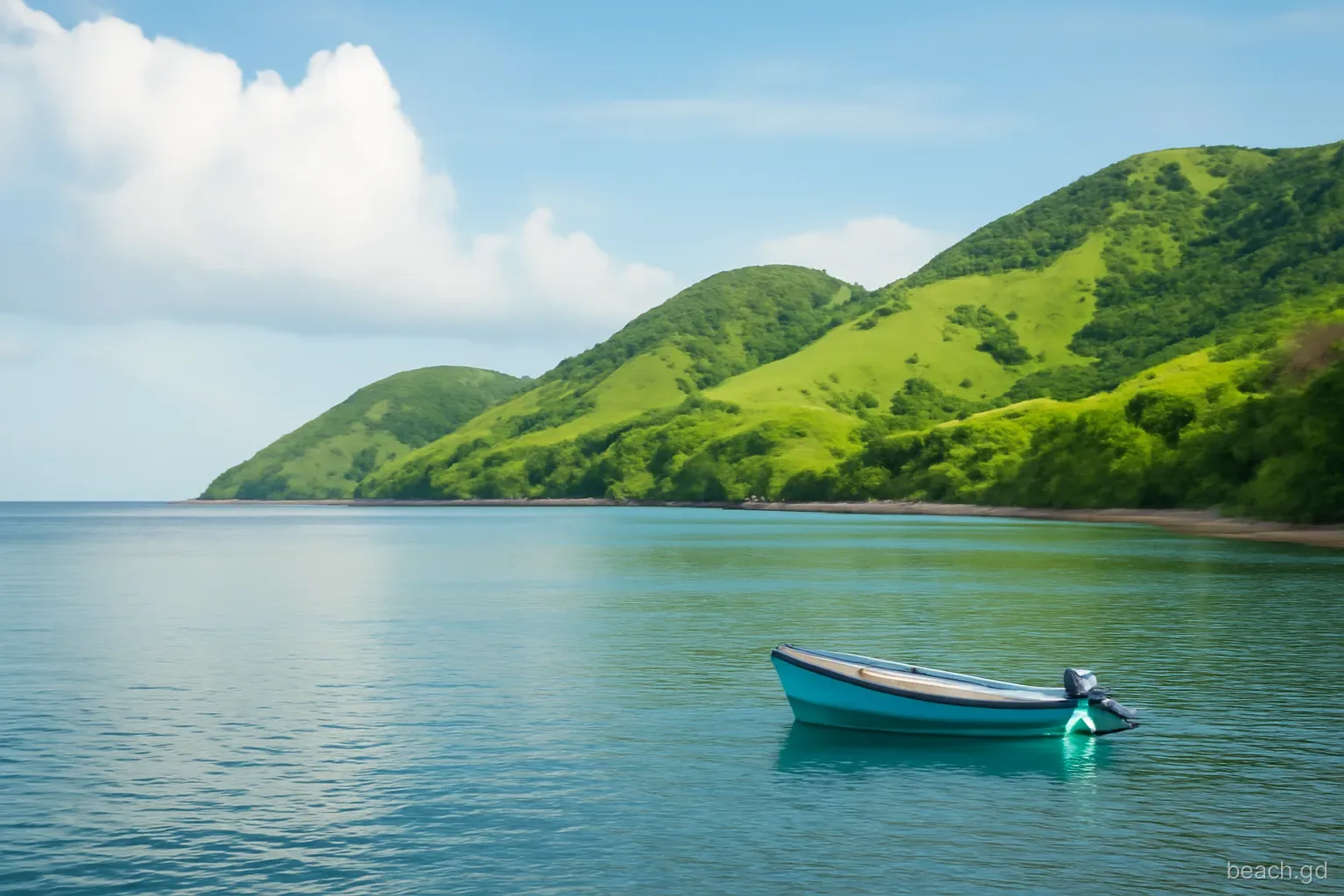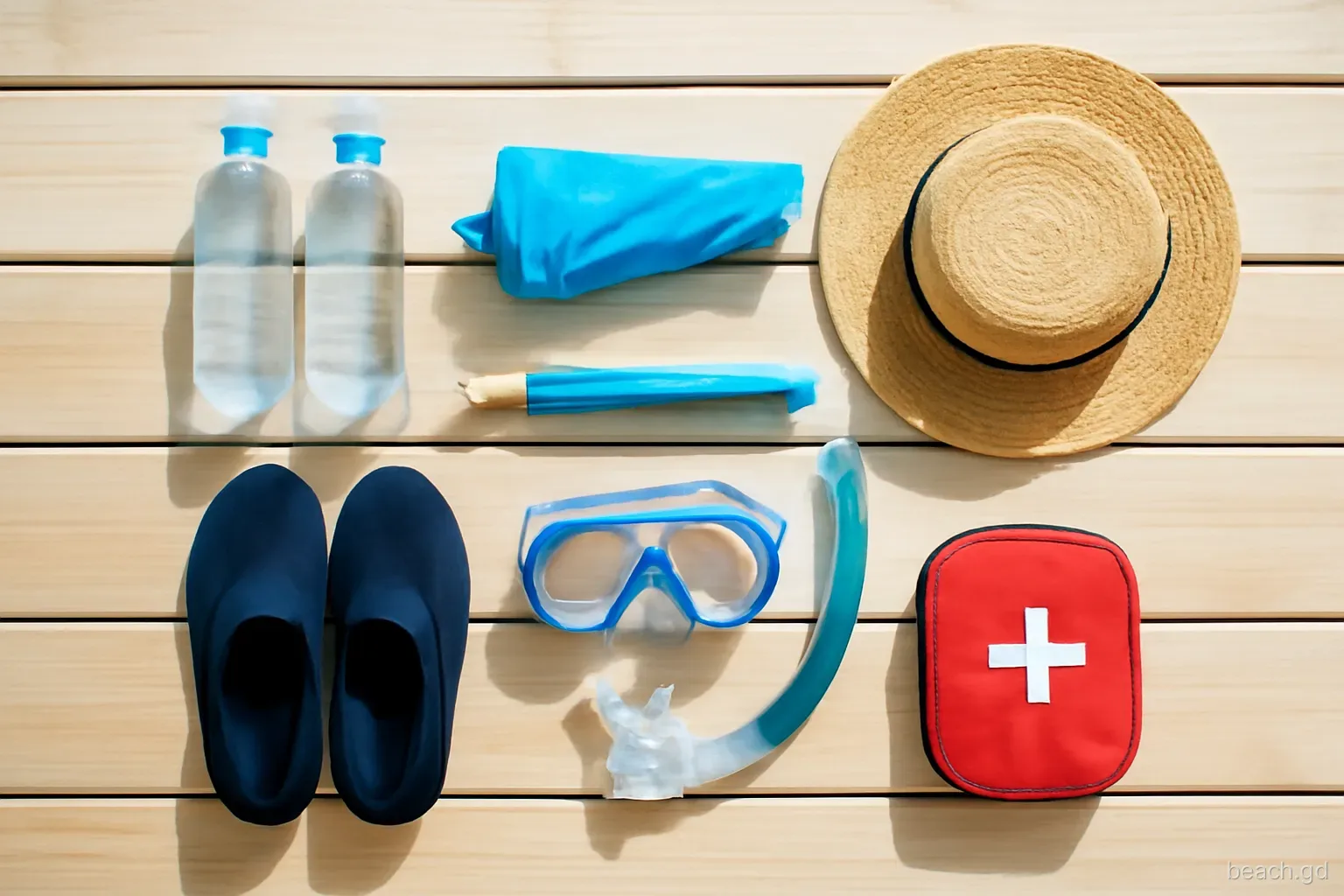
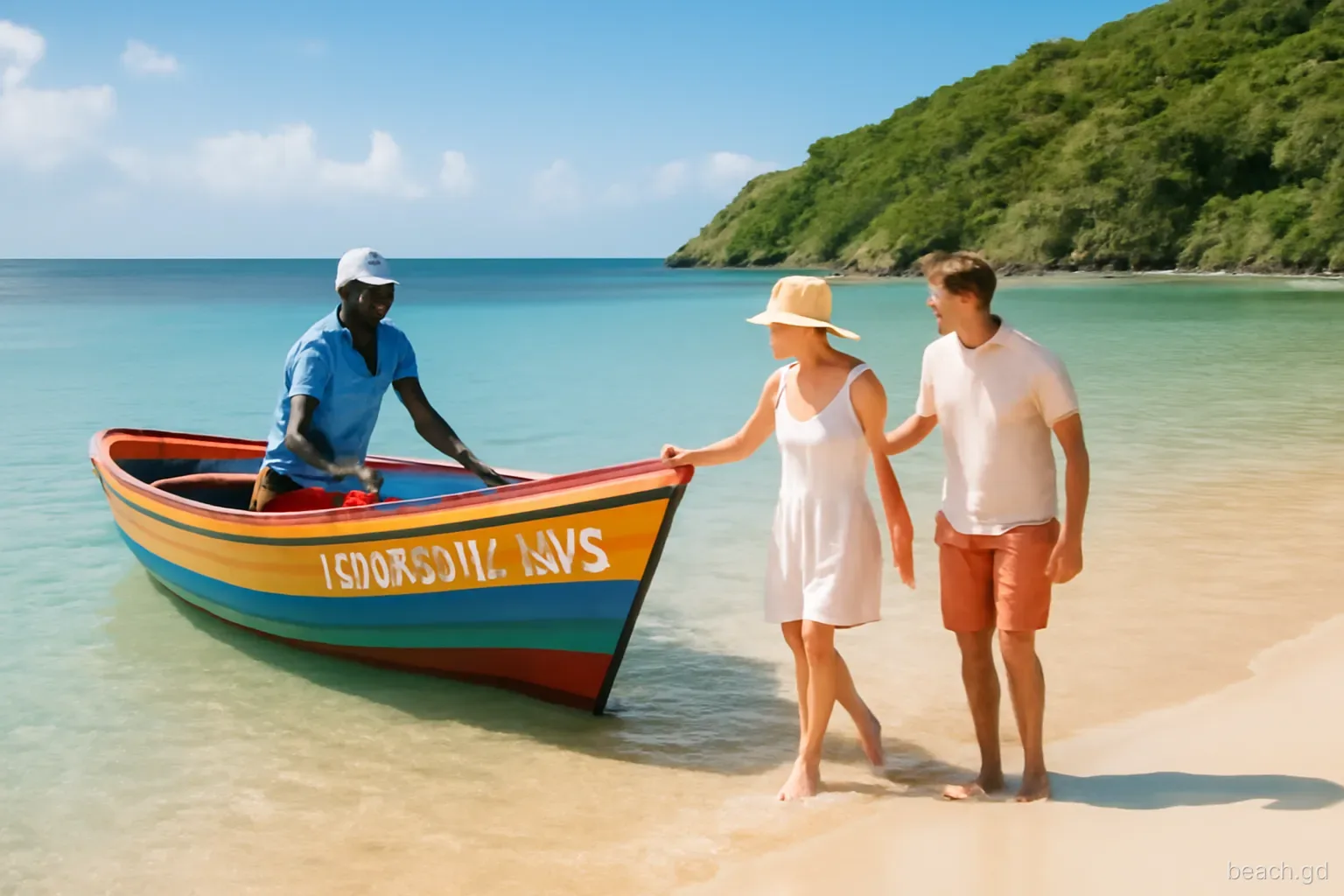
Some of the quietest sand in Grenada has no road to it. The snorkel coves north of St George's, the islets off Carriacou such as Sandy Island and White Island, and stretches of the south coast tucked behind headlands are reached by water or not at all. That is why they are quiet, and it is also why getting there takes a little more arranging than hailing a taxi.
This piece covers the three main ways to reach a boat-only beach: hiring a local water taxi, paddling yourself in a kayak or on a board, and joining or chartering a small boat trip. It explains how fares are usually set, the questions that protect you, how to land and leave safely, and the mistakes that leave people stranded on a sandbar watching the sun go down.
Water taxis: how they work
Water taxis in Grenada are typically small open boats with an outboard engine, run by individual boatmen or small family operations. On the main island they gather at the Carenage in St George's and along Grand Anse; on Carriacou at Hillsborough, Paradise Beach at L'Esterre and Tyrrel Bay; on Petite Martinique at the jetty. Some are licensed and organised in associations, and asking your accommodation for a recommended boatman is the easiest way to find a reliable one.
There is rarely a printed fare for beach drops. Prices are agreed before you leave, depend on distance, the number of people and whether the boat waits, and are often quoted per boat for longer runs and per person for short, popular hops. Expect a short hop to cost tens of EC dollars per person and a longer run with waiting time considerably more, and treat any figure you have read as a guide rather than a rate.
Many boatmen will drop you, go back to their usual work and return at an agreed time. That arrangement depends entirely on clear communication, which is why the questions below matter.
Which beaches actually need a boat
West coast snorkel coves. Flamingo Bay, Dragon Bay and the sculpture park area north of St George's lie below steep cliffs. Footpaths exist to some, but a boat is the practical way in.
Carriacou's islets. Sandy Island off Paradise Beach and White Island off the south coast have no other access. Water taxis from Paradise Beach, Hillsborough and Tyrrel Bay serve them.
Anse La Roche. Walkable from Bogles, but a boat from Hillsborough is easier with children, heavy gear or in the dry-season heat.
Islands off the north-east. Small islands off the coast near Levera are visible from the beach but reached only by boat, and the channel there is exposed to the Atlantic. Go only with an experienced local skipper on a calm day.
Hog Island and the south-coast bays. Long popular with yachts at anchor in the sheltered bays near Mount Hartman. Development has changed land access over the years, so ask locally about current arrangements before you go.
Questions to settle before you get in
Five minutes of clarity on the jetty prevents almost every dispute and most of the risk. Good boatmen expect these questions and answer them readily; hesitation on safety equipment is a reason to find another boat:
- Is the price per person or per boat? One way or return? EC or US dollars?
- Will the boat wait at the beach, stay nearby or come back? At what exact time?
- What happens if the weather changes? Will you come early?
- How can we contact you, and is there signal at the beach?
- Are there life jackets on board for everyone, including children's sizes?
- Is any marine park fee included in the price?
- Can we pay half now and half on collection? This is a common, accepted arrangement and gives both sides confidence.
Paddling yourself: kayaks and paddleboards
Where it works. Kayaks and stand-up paddleboards are available to hire at several of the main beaches on the south and west coasts, such as Grand Anse and Morne Rouge. They are ideal for short hops along sheltered shore to neighbouring coves on calm mornings.
Where it does not. Open crossings, busy harbour mouths such as the approach to St George's, and anywhere exposed to the trade wind. The wind usually strengthens through the day, so an easy paddle out can become a hard paddle back.
Guided trips. Several operators run guided kayak and paddleboard tours to coves and mangroves. A guide knows the currents, the boat lanes and where it is safe to land.
Basic rules. Wear the buoyancy aid, stay close to shore and visible, tell someone your route and return time, and turn back while you still feel fresh. Keep clear of swimmers, moored boats and anything marked as a swimming area.
Small charters and day trips
For groups, or for beaches further away, a half-day or full-day charter makes sense. Options range from a fishing boat hired with its skipper for the morning to catamaran and sailing day trips that combine snorkelling, a beach stop and lunch. On Grenada, many operators run trips up the west coast to the sculpture park and nearby coves; on Carriacou, boat trips to Sandy Island, White Island and around the coast are common.
Compare what is included: fuel, snorkel gear, drinks and food, marine park fees, the number of stops and the time actually spent on the beach rather than in transit. Ask the maximum number of passengers. A small group means more time ashore and less waiting to get in and out of the boat.
For private charters, check that the operator is properly licensed and insured, and that the boat carries safety equipment. Reputable operators answer these questions without hesitation.
Landing and leaving safely
Getting on and off a small boat at a beach with no jetty is where most minor injuries happen. A safe routine:
- Let the boatman choose the landing spot and approach. Do not ask to land through breaking waves.
- Wait until the engine is off or in neutral and the boatman tells you to move.
- Climb out over the bow or side as directed, facing the boat, and step down into the water rather than jumping.
- Pass bags hand to hand, heaviest last, and keep phones in a dry bag throughout.
- Walk ashore shuffling your feet, watching for rocks, urchins and dropping depth.
- When leaving, be ready at the agreed time with everything packed, and wade out only when the boatman signals.
- Children are lifted in and out by an adult, never left to climb alone, and wear life jackets throughout the transfer.
Mistakes that leave people stranded
The same errors turn up again and again, on Grenada and Carriacou alike. None of them is dramatic on its own, but together they explain most of the stories of people waiting on an empty beach as the light fades:
- Agreeing a vague return time such as later or in the afternoon.
- Paying the full return fare upfront to a boatman whose name and contact details you do not have.
- Not mentioning that someone in the group is a weak swimmer or has mobility problems.
- Ignoring a boatman who wants to leave early because the wind is rising.
- Paddling out with the wind behind you and having to fight it all the way back.
- Going without water or shade because the trip was meant to be short.
- Forgetting that the beach has no signal, and having no back-up plan if the boat is late.
Frequently asked questions
How much does a water taxi cost in Grenada?
There is rarely a fixed fare for beach drops. Short hops cost tens of EC dollars per person, while longer runs with waiting time cost more and are often quoted per boat. Agree the full price, currency and return time before you leave.
Is it safe to use local water taxis?
Generally yes, especially boatmen recommended by your accommodation or working from established stands. Check that life jackets are on board, avoid overcrowded boats and take a boatman's advice seriously if he says the sea is too rough to land.
Can you kayak to quiet beaches in Grenada?
On calm mornings, short paddles along sheltered coast to neighbouring coves are possible. Avoid open crossings, harbour approaches and exposed shores. The wind usually strengthens through the day, so plan your return before it does, or go with a guided tour.
What should you do if the boat does not come back?
Stay calm and stay together. Try calling the boatman or your accommodation, signal passing boats, stay in the shade and ration water. In a genuine emergency, call 911 if you have signal. This is why sharing your plan with someone ashore matters.
Do boat trips include marine park fees?
Sometimes. In protected areas such as Molinere–Beausejour on the main island and Sandy Island Oyster Bed on Carriacou, fees may apply to visitors and boats. Ask the operator directly whether the fee is included before you pay.