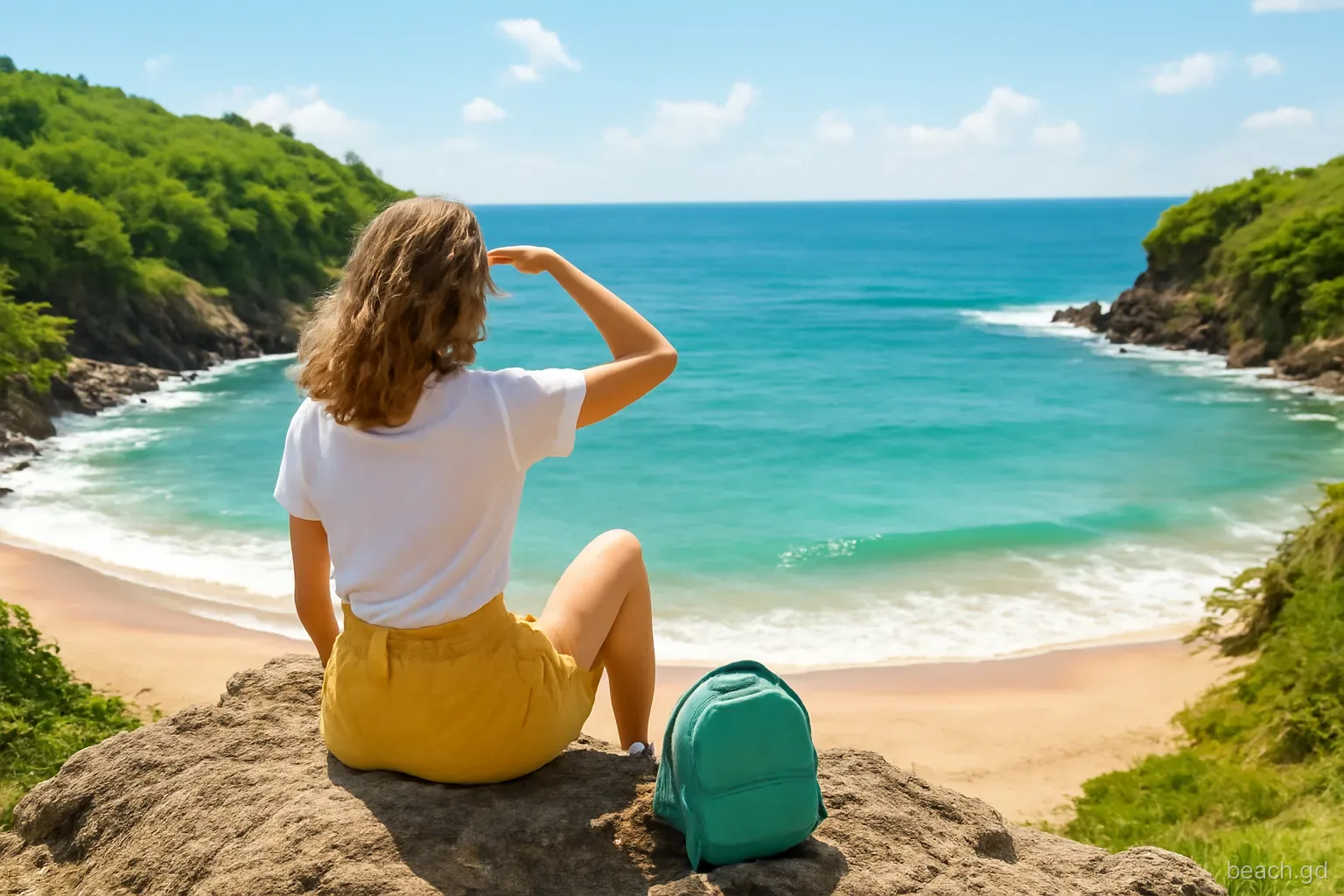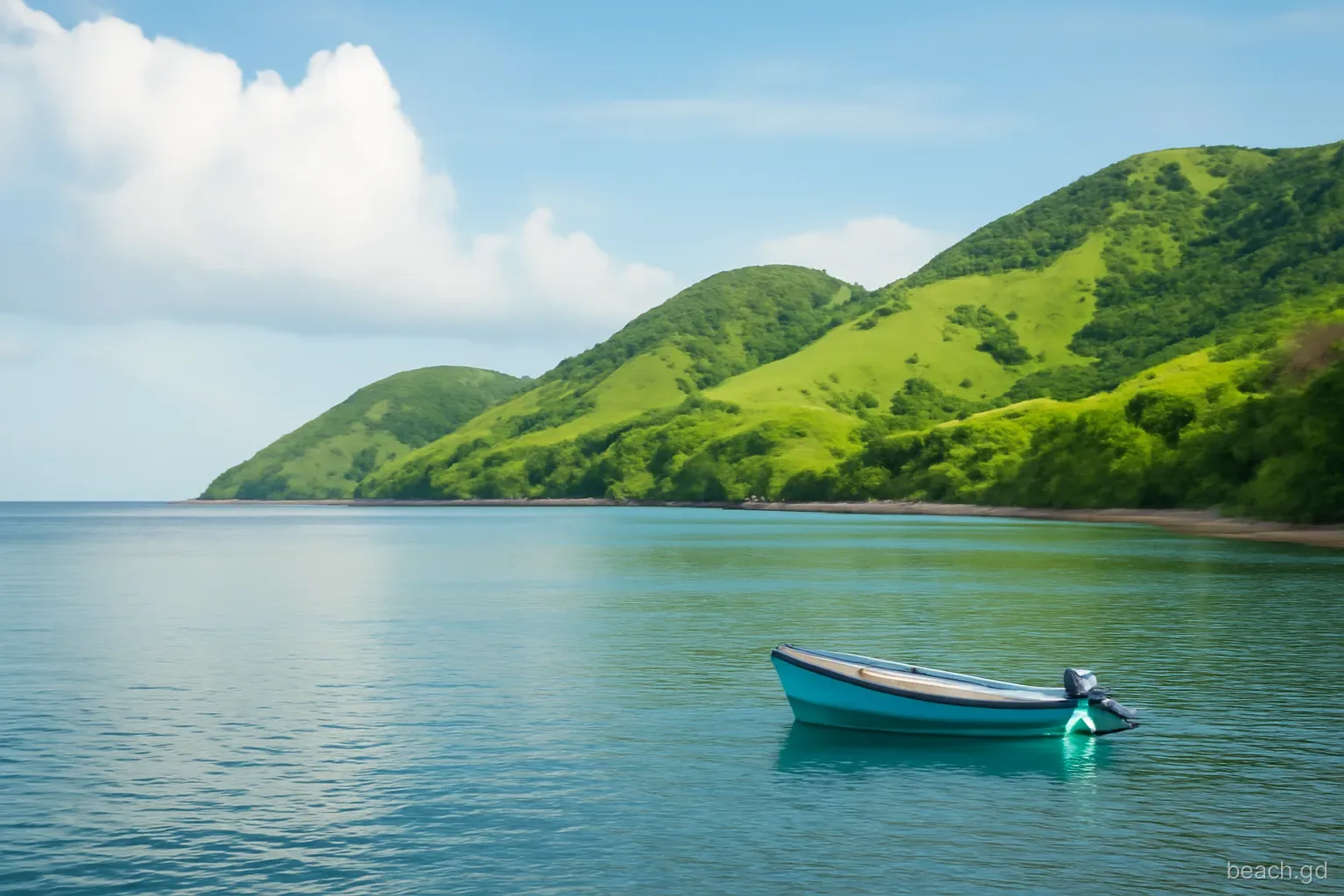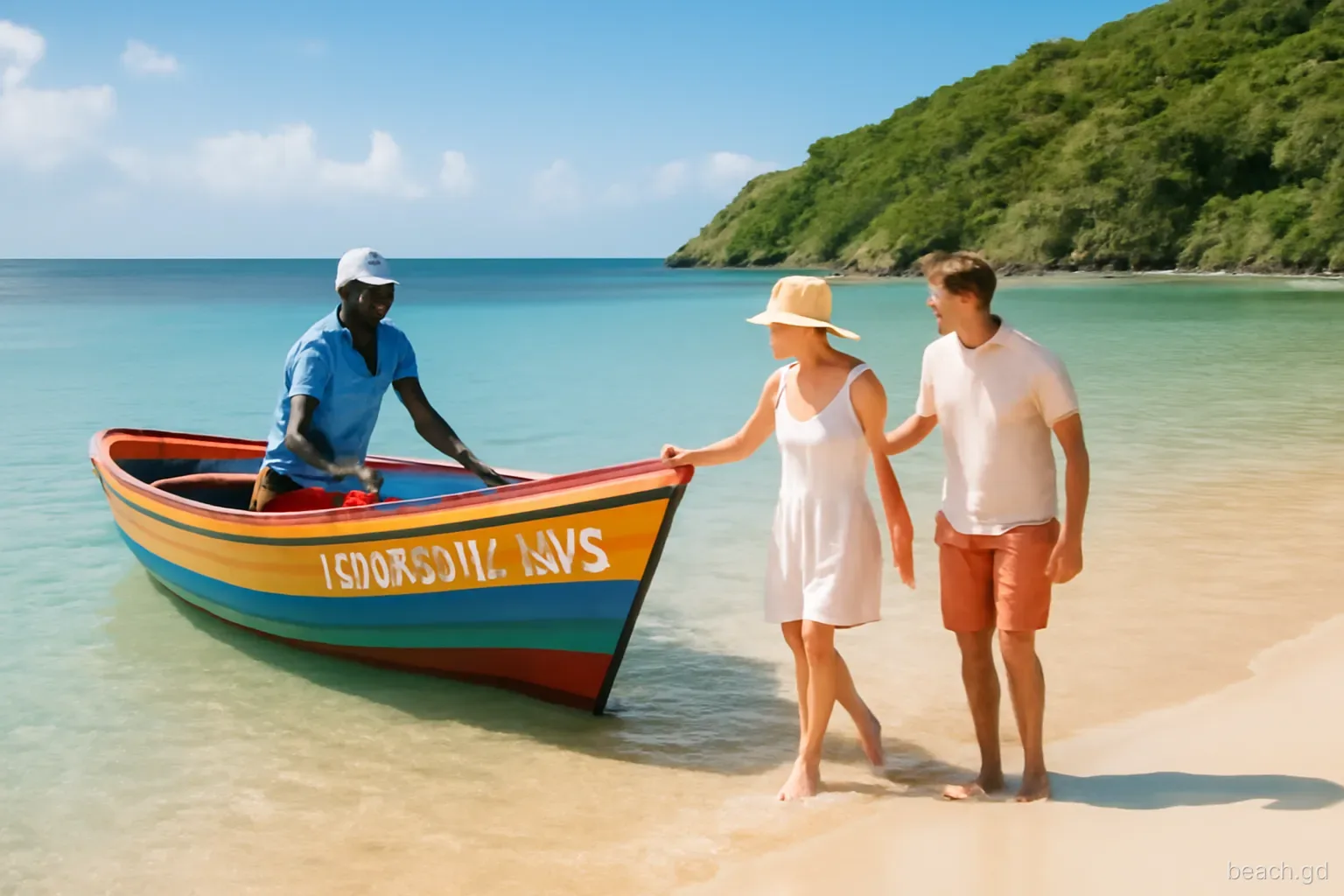
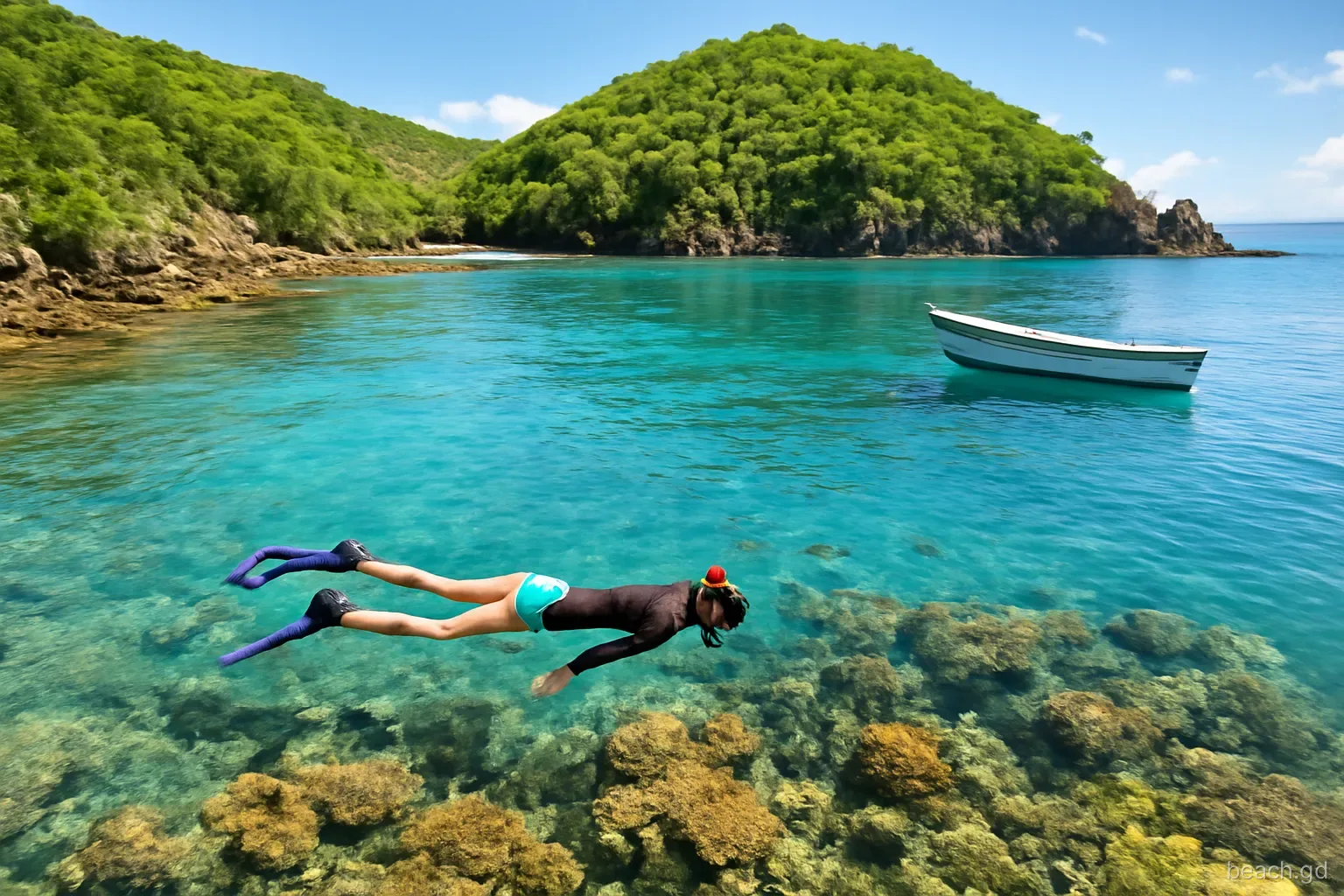
Drive north out of St George's along the west coast road and the shore drops away below you in a series of rocky headlands and small bays. Two of them, Dragon Bay and Flamingo Bay, are among the best snorkelling spots on the island, yet most visitors only ever see them from a dive boat. Neither has a road down to the sand, a bar or a car park, and that is exactly why the reef is in better shape than at many easier beaches.
Both bays lie within the Molinere–Beausejour Marine Protected Area, the same reserve that holds the Underwater Sculpture Park, so there are rules, a fee and rangers on the water. This piece explains how the coves differ, how to reach them, what you will see and how to visit without adding to the pressure on a reef that has already survived two major hurricanes.
Two coves, two characters
Flamingo Bay is the better known of the two, and many operators regard it as one of the richest shallow reefs on Grenada's west coast. Coral and sponge cover a sloping wall that drops from snorkelling depth down into water deep enough for divers, and fish life is dense along the rocky edges. There is a small beach, but the bay is really about what lies beneath the surface. Snorkel and dive boats visit regularly, especially in combination with the sculpture park.
Dragon Bay is a small, steep-sided cove with a short beach and rocks on both sides. The snorkelling runs along the rocky points and the reef off the beach, where you can find parrotfish, trumpetfish, sergeant majors and, with patience, octopus and moray eels in the cracks. It tends to be quieter than Flamingo Bay, and on a weekday morning you may share it only with a fishing boat.
Both bays face west into the Caribbean and are usually calm, sheltered from the trade winds by the island's mountainous spine.
Getting there
By snorkel or dive trip. The easiest and most common route. Operators based around Grand Anse, Morne Rouge and the St George's waterfront run boat trips north, often adding Dragon Bay or Flamingo Bay as a reef stop after the sculpture park. The run from Grand Anse takes roughly 20 to 30 minutes.
By water taxi. Water taxis at Grand Anse and on the Carenage will take small groups north. Agree whether the boat waits, the total fare, the currency and the return time. Ask whether the protected-area fee is included.
By kayak. Experienced paddlers sometimes kayak north from Grand Mal, but you must cross busy water off the port of St George's and the open bays beyond. This is not a casual paddle; go with a guide or an operator.
On foot. There are informal paths from the coast road down to some of the coves, but they are steep, unmarked, may cross private land and change after heavy rain. Ask locally, and do not attempt them in sandals or after dark.
Rules and fees inside the protected area
The Molinere–Beausejour reserve is managed under fisheries legislation, with wardens who can ask boats and visitors to leave. The rules are short:
- A per-person fee applies to visitors entering the reserve. An entry fee applies and has been revised in recent years, so check the current amount; operators usually collect it. Confirm the current amount and whether your trip price includes it.
- No fishing, spearfishing or collecting of shells, coral or anything else.
- No anchoring on reef or seagrass; private boats use the moorings provided.
- Do not stand on, touch or kick coral. If you need a rest, float on your back or return to the beach or boat.
- No feeding fish.
- Wear a rash vest or use reef-safe sunscreen, and apply it at least 15 minutes before getting in.
- Follow wardens' instructions. They are protecting a reef that took decades to grow.
What you can expect to see
The west coast reefs north of St George's were hit by Hurricane Ivan in 2004 and Emily in 2005, and the sculpture park itself was created partly to draw visitors away from damaged natural reefs. Two decades later, Flamingo Bay and Dragon Bay show a reef in recovery: patches of hard coral, abundant sponges and soft corals, sea fans waving in the current and plenty of fish.
Common sightings include blue tang in groups, stoplight and queen parrotfish, French and grey angelfish, squirrelfish under ledges and trumpetfish hanging head-down among sea rods. Turtles are seen often enough that guides mention them, and spotted eagle rays sometimes pass along the sand at the base of the slope. At dusk and at night the reef changes completely, which is why some dive operators run night dives in these bays.
Visibility is usually good, regularly 15 metres or more, but it drops after heavy rain, when run-off from the hills reaches the coast.
Mistakes snorkellers make here
Flamingo Bay and Dragon Bay forgive less than a sandy beach because the reef starts close to shore. Most problems come from a few habits:
- Jumping in from the boat straight onto shallow coral. Ask the guide where the sand patches are.
- Standing up in shallow water to clear a mask, often on living coral. Practise clearing your mask while floating.
- Swimming too far along the wall and tiring before the return. Turn back while you still have energy.
- Getting separated from the group on a crowded cruise-ship morning when several boats share the bay.
- Forgetting that boats move in and out of these bays. Stay close to your group and away from the mooring lines.
- Assuming the fee is included without asking, and then being asked to pay on the water by a warden.
When to go
Time of day. Morning is best: calm water, high sun for light under the surface and fewer boats. Afternoons can bring a light chop and more traffic.
Days of the week. On days when several cruise ships are in St George's, excursion boats crowd the sculpture park and nearby reefs at the same hours. Ask your operator about quieter days or earlier departures.
Season. The dry season from January to May usually brings the clearest water, though winter swell from the north occasionally makes the west coast choppy between November and March. In the rainy season, plan around showers and expect reduced visibility for a day after heavy rain.
Weather on the day. If the operator moves the trip because of swell or a passing squall, accept it. Boats that land swimmers on a rough day in a rocky cove are the ones to avoid, not the ones to praise.
What to bring on a cove snorkel trip
Operators supply the boat and usually basic gear, but a few personal items make the difference between a short, uncomfortable swim and a good hour in the water:
- A mask that fits your face. Hired masks often leak, and a leaking mask is the main reason people give up early.
- A rash vest or thin long-sleeved top, which protects your back from the sun far better than sunscreen while you float face down.
- Reef-safe sunscreen for face and hands, applied well before you get in.
- Water and a snack; many trips last two to three hours with little shade on the boat.
- A dry bag for phone, cash and car keys.
- A buoyancy vest if you are not a strong swimmer. Ask for one when booking rather than on the boat.
- Seasickness tablets if you are prone; the boat can roll while it waits off the cove.
Frequently asked questions
Can you drive to Dragon Bay or Flamingo Bay?
Not practically. Neither has a road to the beach or a car park. There are informal footpaths from the coast road to some coves, but they are steep and unmarked. Most visitors arrive by snorkel trip, dive boat or water taxi from Grand Anse or St George's.
Is Flamingo Bay good for beginners?
It suits confident beginners who are comfortable floating in open water. The reef starts close to shore and slopes away, so there is plenty to see near the surface. Weak swimmers should wear a buoyancy vest and stay close to a guide.
Do you have to pay to snorkel at Flamingo Bay?
The bay is within the Molinere–Beausejour Marine Protected Area, where a visitor fee applies. Operators usually collect it as part of the trip price. Ask whether it is included before you pay, and keep proof of payment if you go on a private boat.
Is Dragon Bay quieter than Flamingo Bay?
Usually, yes. Flamingo Bay is a regular stop for snorkel and dive trips, while Dragon Bay sees fewer boats. Both can be busy on mornings when several cruise ships are in port, so an early start helps at either.
Can you see turtles at Flamingo Bay?
Turtles are seen regularly on the reefs north of St George's, though never guaranteed. If you see one, keep your distance, do not chase or touch it, and let it surface to breathe without being crowded by snorkellers.