Emergencies on Grenada's beaches are rare, and most beach days end with nothing worse than sand in the car. But when something does go wrong, a swimmer pulled out by a current, a child who swallowed too much water, a bad stingray wound at the far end of a quiet cove, the first few minutes depend on what the people on the sand already know.
This is the plan worth having in your head before you need it: the one number to call, what to say, where the hospitals are, what to do while help is on the way, and how being on a remote beach changes things. It takes five minutes to read and is easier to remember once you have pictured it.
The one number and what to say
Dial 911. In Grenada, 911 reaches the emergency services for police, fire and ambulance, and calls can be routed to the coast guard for incidents at sea. It works from local and roaming mobiles where there is signal.
Say where you are first. Give the beach name, the parish and the nearest landmark: a hotel, a church, a village, a bar or a road junction. Many beaches have more than one name, so give both if you know them, for example Morne Rouge as well as BBC Beach.
Say what has happened. Someone in the water, a person not breathing, a serious bleed, an allergic reaction. Say how many people are involved and their approximate ages.
Stay on the line. Answer questions and follow instructions. Do not hang up until the operator tells you to.
Send someone to the road. If you have enough people, send one to the nearest road or car park to flag down and guide the ambulance, especially at beaches reached by tracks or with several access points.
Someone in trouble in the water
Rescuers drowning while trying to help is a real and avoidable tragedy. Follow this order:
- Shout for help and point. Get other people's attention immediately.
- Call 911, or have someone else call while you keep watching the person. Never lose sight of where they are.
- Reach or throw, do not go. Hold out a long stick, towel or paddle from a safe position, or throw something that floats: a cooler, body board, life jacket or sealed empty bottle.
- Tell them what to do: float on their back, and if caught in a current, swim parallel to the shore.
- Only go in if you are a strong, trained swimmer, and take something buoyant to put between you and the casualty.
- Use boats if they are close. Fishermen, water-taxi drivers and yacht tenders are often nearer and faster than any official response.
After the rescue: first aid while waiting
Anyone pulled out of the sea after struggling needs attention even if they seem fine. Lay them on their back on firm sand, check whether they are responsive and breathing normally. If they are breathing, roll them into the recovery position on their side, keep them warm with towels and stay with them. People who have inhaled seawater can deteriorate over the next few hours, with coughing, breathlessness or drowsiness, and should be seen by a doctor.
If they are not breathing normally, start CPR. For drowning, rescue breaths are especially important because the problem is lack of oxygen: give five initial rescue breaths, then 30 chest compressions to 2 rescue breaths, continuing until help arrives or they recover. Vomiting is common; turn the head to the side, clear the mouth and continue.
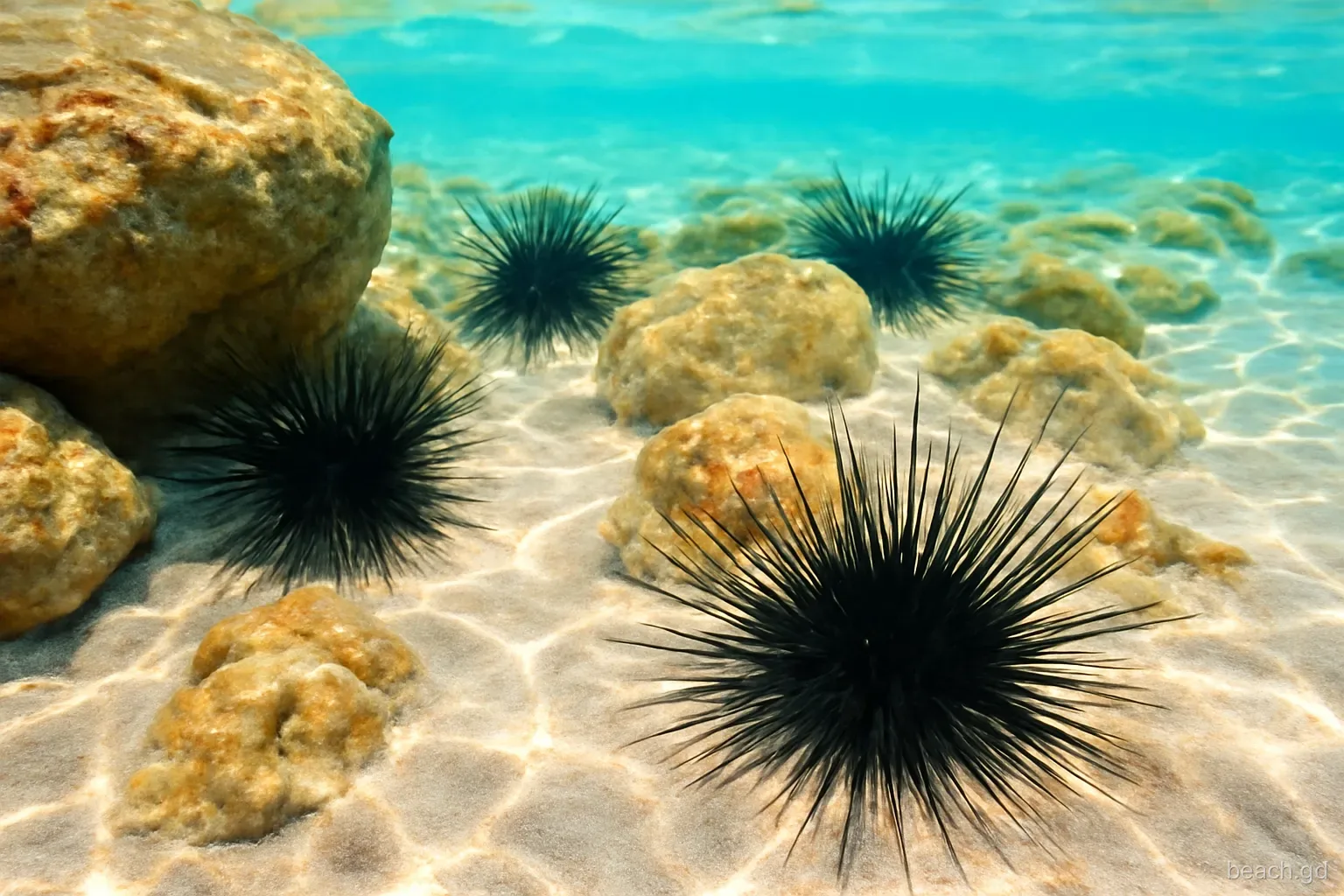
For a heavy bleed, from coral or a boat propeller for example, press firmly on the wound with a clean cloth and keep pressing. For stings and spines, follow the specific first aid for each: heat for stingrays, lionfish and man o' war; vinegar for box jellyfish. A short first-aid course before you travel makes all of this far more instinctive.
Hospitals and medical care by area
Grenada's public hospitals have accident and emergency departments. Private clinics and doctors operate mainly around St George's and Grand Anse. Know which is closest to the beach you are on:
- South and west of Grenada, including Grand Anse, Morne Rouge, the south-coast coves and the leeward coast: the General Hospital in St George's, the island's main hospital.
- East and north-east, including Grenville, the St Andrew coast and, at a longer drive, Bathway and Levera: the Princess Alice Hospital at Mirabeau in St Andrew.
- Carriacou and Petite Martinique: the Princess Royal Hospital at Belair in Carriacou. Serious cases can be transferred to Grenada, which takes time, so take extra care on boat days. Its facilities were affected by Hurricane Beryl in July 2024, so check current services if you are planning a long stay.
- Minor injuries: parish health centres and medical stations can deal with cuts, stings and minor wounds during opening hours. Pharmacies in St George's, Grand Anse and Grenville can advise on minor problems.
Remote beaches, boats and the paperwork that helps
On a remote beach, assume help will take longer. Ambulances must cover winding roads, and the last stretch to some coves is a dirt track. If someone is injured but stable and can travel safely, the fastest route to care may sometimes be driving them to the hospital, but call 911 first for advice, and never move anyone with a suspected neck or back injury, such as after diving into shallow water.
On boat trips, check that the skipper carries life jackets for everyone, including child sizes, and a means of communication. In Carriacou, where day trips to Sandy Island and White Island are common, agree a pick-up time and make sure someone ashore knows your plans.
Finally, the paperwork. Travel insurance that includes medical evacuation matters in a small island state, because serious cases may be flown to larger hospitals elsewhere in the region. Keep a photo of the policy number on your phone along with any allergies, medications and blood type for each family member. It is dull preparation, and it saves real time when it counts. Visitors are generally charged for treatment at public hospitals, and private clinics usually expect payment up front, so keep a card that works internationally with you as well.
A child missing on a busy beach
A lost child on Grand Anse on a cruise-ship day or at Bathway on a public holiday is a more likely emergency than a rescue at sea. Agree the plan with the children before you set up, then follow it if someone goes missing:
- Agree a meeting point that children can find, such as a particular tree, a bar or the spot where the family umbrella stands, and tell them to go there and stay put if they get separated.
- Dress young children in bright, distinctive swimwear or a coloured hat, and take a photo of each child on your phone that morning so you can show exactly what they are wearing.
- Write your mobile number on a waterproof wristband or on the child's arm in pen, so a helper can call you.
- If a child goes missing, check the water first. Scan the shallows and ask other swimmers, because a child in difficulty in the water is the one situation where minutes are critical.
- Send one adult to the meeting point and keep one at your spot, while others walk the beach in opposite directions.
- Tell nearby vendors, bar staff and any lifeguard on duty. Vendors know the beach and the people on it better than anyone.
- If the child is not found within a few minutes, call 911.
Frequently asked questions
What is the emergency number in Grenada?
Dial 911 for police, fire and ambulance anywhere in Grenada, Carriacou and Petite Martinique. Incidents at sea can be passed to the coast guard. Give the beach name, parish and a nearby landmark first, then describe what has happened, and stay on the line.
Which hospital is nearest to Grand Anse?
The General Hospital in St George's is the closest public hospital to Grand Anse, Morne Rouge and the south-coast beaches, typically a short drive away depending on traffic. Several private clinics and doctors also practise in the Grand Anse and St George's area.
Is there a hospital in Carriacou?
Yes, the Princess Royal Hospital at Belair serves Carriacou and Petite Martinique. Seriously ill or injured patients may be transferred to Grenada. Services were affected by Hurricane Beryl in 2024, so long-stay visitors should check what is currently available.
Should someone who nearly drowned see a doctor even if they feel fine?
Yes. Inhaled water can irritate the lungs and cause breathing problems hours later. Anyone who struggled in the water, coughed a lot or lost consciousness, however briefly, should be checked by a doctor, and watched closely for breathlessness, persistent coughing or unusual sleepiness.
Do you need travel insurance for beach activities in Grenada?
It is strongly advisable. Medical treatment for visitors is charged, and serious injuries can require evacuation to a larger hospital elsewhere. Choose a policy that covers medical evacuation and the activities you plan, such as snorkelling, diving or boat trips, and check the exclusions.