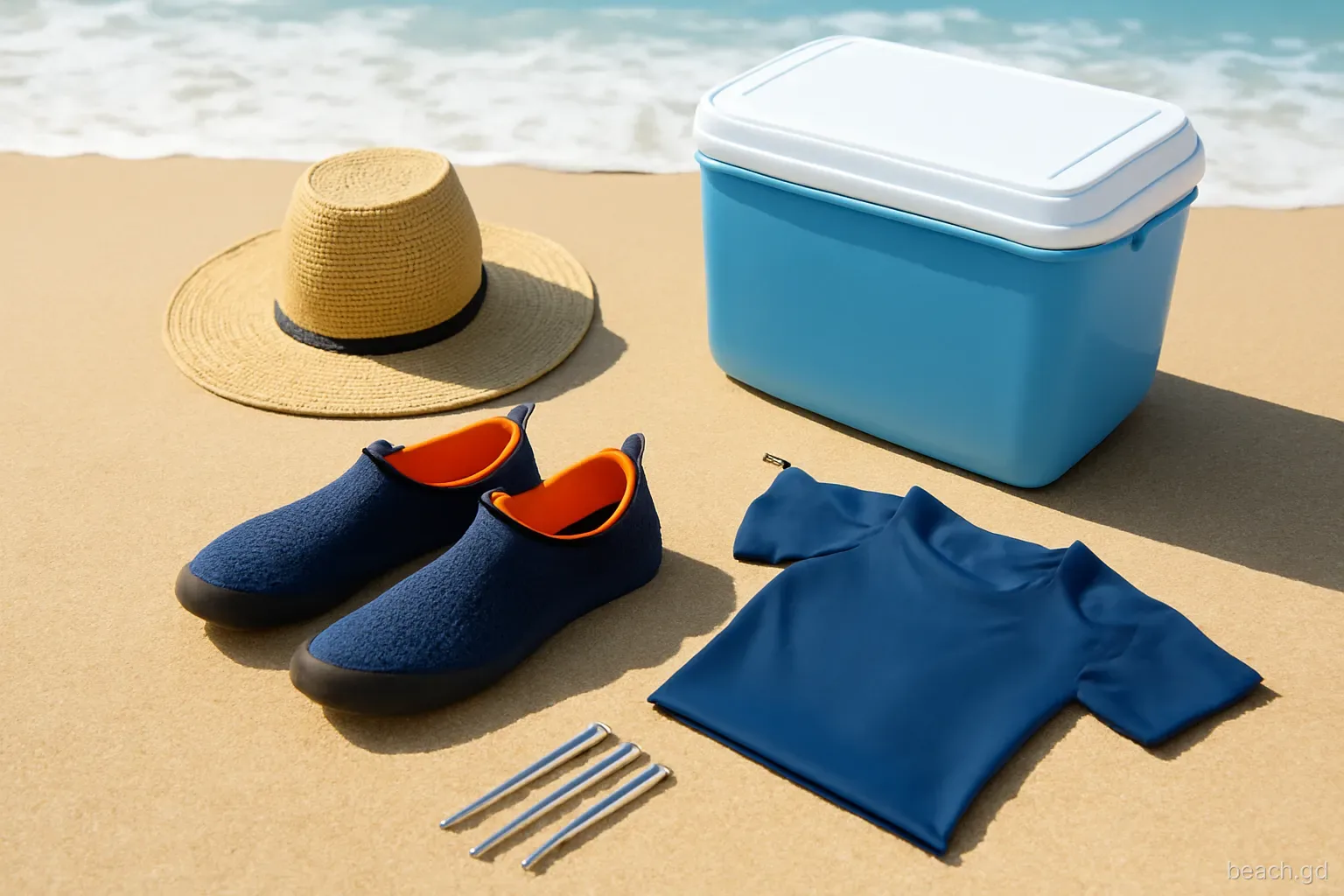
On Grand Anse you can arrive with a towel and a credit card and rent or buy almost anything else within a few metres. On the Atlantic side of Grenada that approach leaves you sunburnt, thirsty and picking urchin spines out of your heel by mid-afternoon. The east coast beaches are wilder, further from shops and exposed to a trade wind that flips umbrellas and hides the strength of the sun.
This checklist is built around those differences. It is aimed at a day at Bathway, Levera and the shores between Grenville and the north-east tip, though most of it applies to any windward beach on the island. Pack the night before; there is nowhere convenient to buy what you forgot once you are over the mountains.
Shade and sun: the wind changes everything
The constant breeze on the Atlantic coast keeps you cool and makes you underestimate the sun. Plan shade that works in wind.
- A low pop-up sun shelter with sand pegs copes with the trade wind far better than a beach umbrella, which tends to lift and cartwheel down the sand.
- A wide-brimmed hat with a chin strap. Without the strap, your hat ends up in the sea.
- A long-sleeved rash vest or light shirt for swimming and walking. It saves a lot of sunscreen and protects shoulders on the drive back.
- High-factor sunscreen, ideally a mineral formula that is kinder to marine life, reapplied after every swim.
- Sunglasses with good coverage. Glare off white water and pale sand is intense, especially around midday.
- Lip balm with sun protection; wind and salt dry lips quickly.
Feet, rocks and the water
Reef shoes or old trainers. The rock shelf at Bathway and the rocky edges of most windward beaches carry sea urchins, sharp coral rock and slippery weed. Water shoes let you stand up confidently in the pool and walk the edges safely.
Sandals for the sand. Coarse sand on an exposed beach can become painfully hot by early afternoon. Keep a pair at the top of the bag.
Goggles or a mask. Snorkelling is limited on this side, but a mask makes the Bathway pool much more fun for children, who can watch small fish around the inner rocks.
A flotation aid for young children. Even in a sheltered pool, surges arrive when big sets wash over the shelf. A properly fitted swim vest adds a margin of safety; inflatable toys do not, and the wind carries them away.
A small first-aid kit. Include plasters, antiseptic, tweezers for splinters and spines, vinegar for minor stings and any personal medication. The nearest pharmacy may be in Grenville or Sauteurs.
Food, water and money
Vendors at east coast beaches can be excellent, but their days and hours vary, especially outside the winter season and on weekdays. Pack as if they might all be closed.
- Freeze a few bottles of water the night before and use them as ice packs in the cooler; by afternoon they are cold drinking water. Allow at least two litres per adult for a full day in the sun.
- Pack a proper lunch, not just snacks: bread, cheese, fruit, cooked chicken or bakes and saltfish all travel well. Buy on the way in Grenville or Sauteurs if you prefer local food.
- Bring Eastern Caribbean dollars in small notes and coins for beach vendors, parking attendants at busy times, toilets that charge and roadside fruit stalls. Card payment is unreliable this far from town.
- Keep a separate bag of rehydration salts or a sports drink for anyone who overheats; the combination of wind and sun dehydrates people faster than they notice.
- Fill the fuel tank before leaving Grenville or St George's.
Extra items for children
Children love the east coast for its waves and space, but they feel the sun, wind and long drive more than adults do. A few additions keep the day fun.
- Two sets of swimwear so a wet, sandy child can change into something dry for lunch.
- A small bucket and spade, though digging should stay well clear of the upper beach at Levera during turtle nesting season.
- A sun suit or long-sleeved swim top for toddlers, plus a legionnaire-style hat that covers the neck.
- Snacks they already know. A long drive is not the moment for unfamiliar food.
- A fully charged device or a bag of car games for the mountain road, which can feel endless to a six-year-old.
- A clear rule about the rock shelf. Agree before arriving that children stay in the pool and off the rock, and that an adult is always in the water with them.
Comfort for the long drive
The drive to the east coast is a big part of the day, and it is easy to forget comfort until you are sitting on a hot car seat in wet swimwear for an hour and a half. Bring a complete change of dry clothes and a towel to sit on. A small bottle of fresh water for rinsing sand and salt off feet before getting back in the car makes the return much more pleasant.
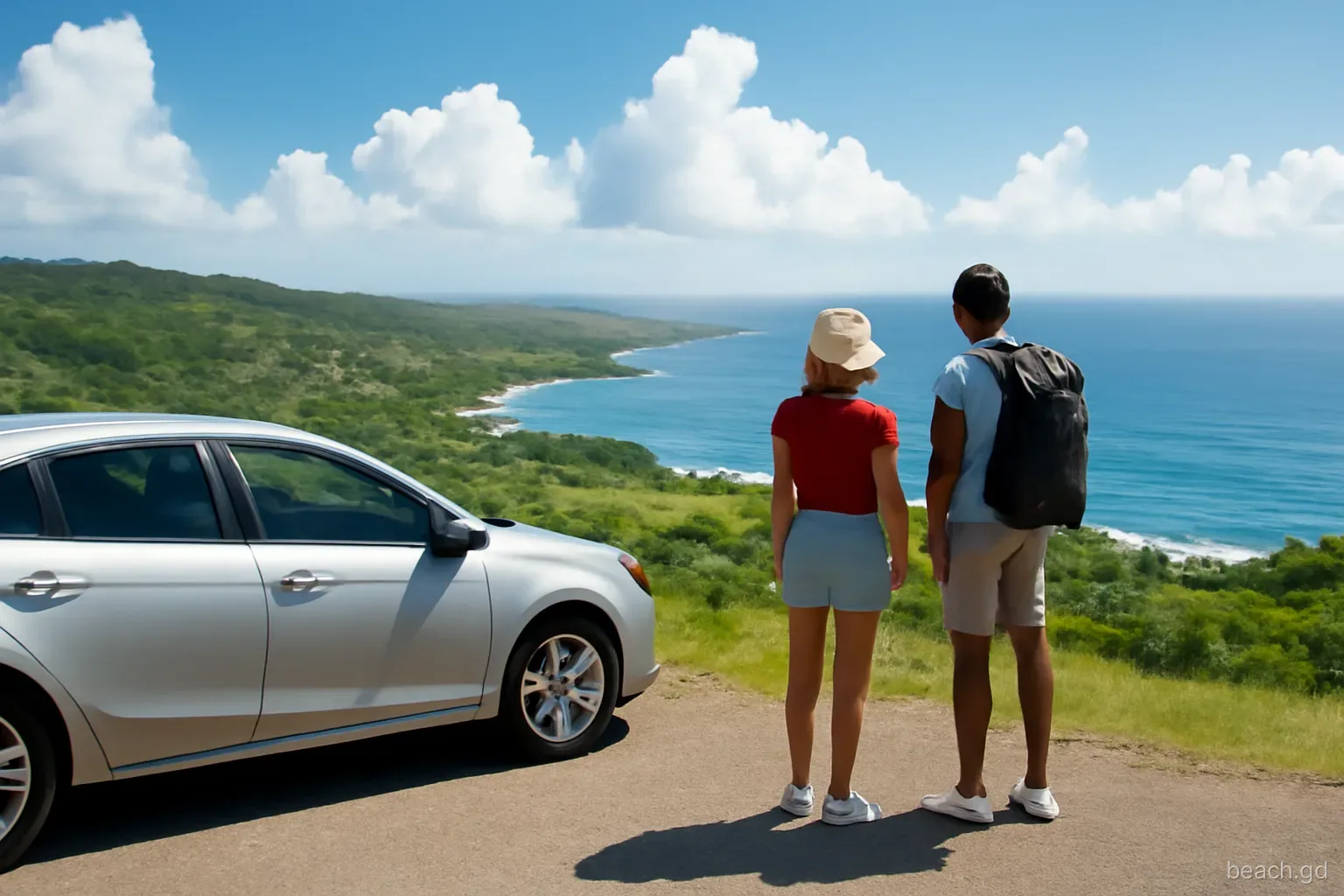
Winding mountain roads make some people carsick, especially children in the back seat. Anyone prone to it should take motion-sickness tablets before leaving, sit in front if possible and avoid reading on the way. Keep a bag within reach. Stop at a viewpoint rather than pushing on when someone starts to feel ill.
Think about the order you pack the car, too. The cooler and the shade shelter should be easy to reach without unloading everything onto a narrow verge, and wet swimwear and sandy towels need a bag of their own on the way back so they do not soak the rest. A small brush or a spare towel for knocking sand off feet keeps the hire car clean, which matters if the rental company charges for valeting.
Download offline navigation and a few hours of music or podcasts before leaving. Signal can drop out in the forest around Grand Etang and in some north-east valleys, and data roaming apps fail at exactly the moment you need them.
Easily forgotten, badly missed
These are the items people most often wish they had brought when they reach the north-east.
- Insect repellent. Sandflies come out around Levera Pond and other mangrove edges in the late afternoon, and mosquitoes follow them at dusk.
- A rubbish bag. Bins are rare or overflowing on the windward beaches. Take everything home, including fruit peel.
- A dry bag or zip pouch for phone, keys and money. Spray carries a long way on a windy day.
- A torch. If anything delays you, the last stretch home may be in darkness on unlit roads.
- Binoculars for birds on Lake Antoine and Levera Pond, and for the islands off the north-east tip.
- A light rain jacket. Squalls cross the coast suddenly, especially between June and November.
- A windbreak or sarong to stop sand blowing onto food and faces.
- A spare car key arrangement. Decide who holds the key and where it goes while everyone swims; a lost key on a remote beach is a very long afternoon.
- A notebook of practical details such as your accommodation address and hire company details, in case a phone gets wet or runs flat.
Frequently asked questions
Do you need reef shoes at Bathway Beach?
They are strongly recommended. The sand itself is fine barefoot, but the rock shelf and the edges of the pool have sea urchins, sharp rock and slippery weed. Reef shoes or old trainers make standing and moving around the pool much safer, particularly for children.
Can you buy food at east coast beaches in Grenada?
Sometimes. Bathway has small bars and vendors, but their opening days and hours vary, and quieter beaches such as Levera have nothing at all. Bring water and a proper lunch, and treat anything available on the beach as a bonus rather than the plan.
Why do umbrellas not work on Grenada's east coast?
The Atlantic coast faces the steady north-east trade winds, which often blow strongly enough to lift a beach umbrella out of the sand. A low pop-up shelter pegged into the sand, or natural shade from sea grape and palms, is far more practical.
How much water should you bring for a beach day in Grenada?
Plan on at least two litres per adult for a full day, more if you are walking to Levera or doing a long drive with stops. The breeze makes it easy to forget to drink. Freezing some bottles the night before keeps the cooler cold and the water drinkable.
Are there sandflies on Grenada's beaches?
Yes, particularly near mangroves, ponds and river mouths, and mostly in the late afternoon and around dusk on still days. Levera Pond is one place they can be noticeable. Insect repellent and light long clothing as the sun drops make a big difference.