Between Grenville and Bathway, the north-east corner of Grenada folds into a small landscape of volcanic craters, old estates and a surf-battered coast. Lake Antoine sits in one crater, River Antoine Rum Distillery turns a water wheel a short way off, and the Atlantic shore below them, sometimes called Antoine Bay, is a stretch of rock, rubble and breaking waves that very few visitors ever see up close.
None of these is a beach destination in the usual sense, and that is the point of this page. If you are driving to Bathway, this area is the best detour on the way, and knowing what each stop is, and is not, helps you spend an hour well rather than wandering down a farm track to a shore you cannot swim from.
Lake Antoine: a crater with water in it
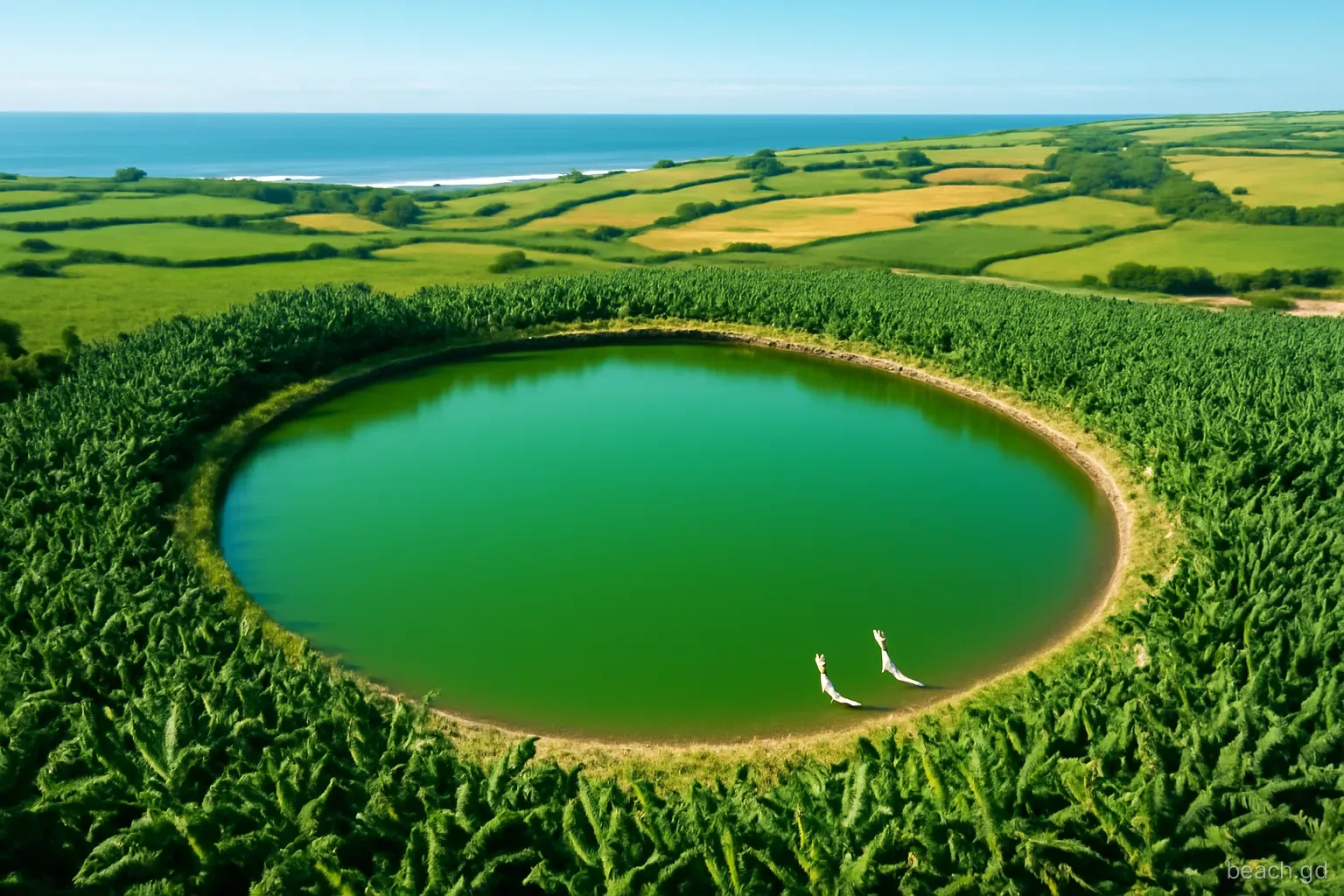
Lake Antoine is a crater lake in St Patrick, one of several volcanic features scattered across the north of the parish. It is shallow, fringed by reeds and grass, and surrounded by gently rolling farmland rather than forest, which gives it a very different feel from Grand Etang high in the mountains. On a still day the surface reflects the sky perfectly; when the trade wind blows, it ripples like a pond.
The lake is a good place for birds. Herons and egrets stand along the margins, ducks and gallinules work the reed beds, and migrant waterbirds appear in the northern winter. Paths around parts of the rim are informal and change with farming and the seasons, so walk only where tracks are obvious and do not cross planted fields. There are no facilities. Twenty minutes is enough for most people, longer with binoculars.
Seen from the road above, the lake makes sense of the landscape: the round bowl of the crater, the green slopes of farmland climbing its sides and, beyond, the line of the Atlantic. It is one of the clearest places on the island to understand that Grenada is a volcanic island, built from many vents rather than one mountain.
Swimming in the lake is not a thing people do. The water is shallow, muddy-bottomed and weedy, and there is no reason to choose it over the sea a few minutes away.
River Antoine: the distillery by the water wheel
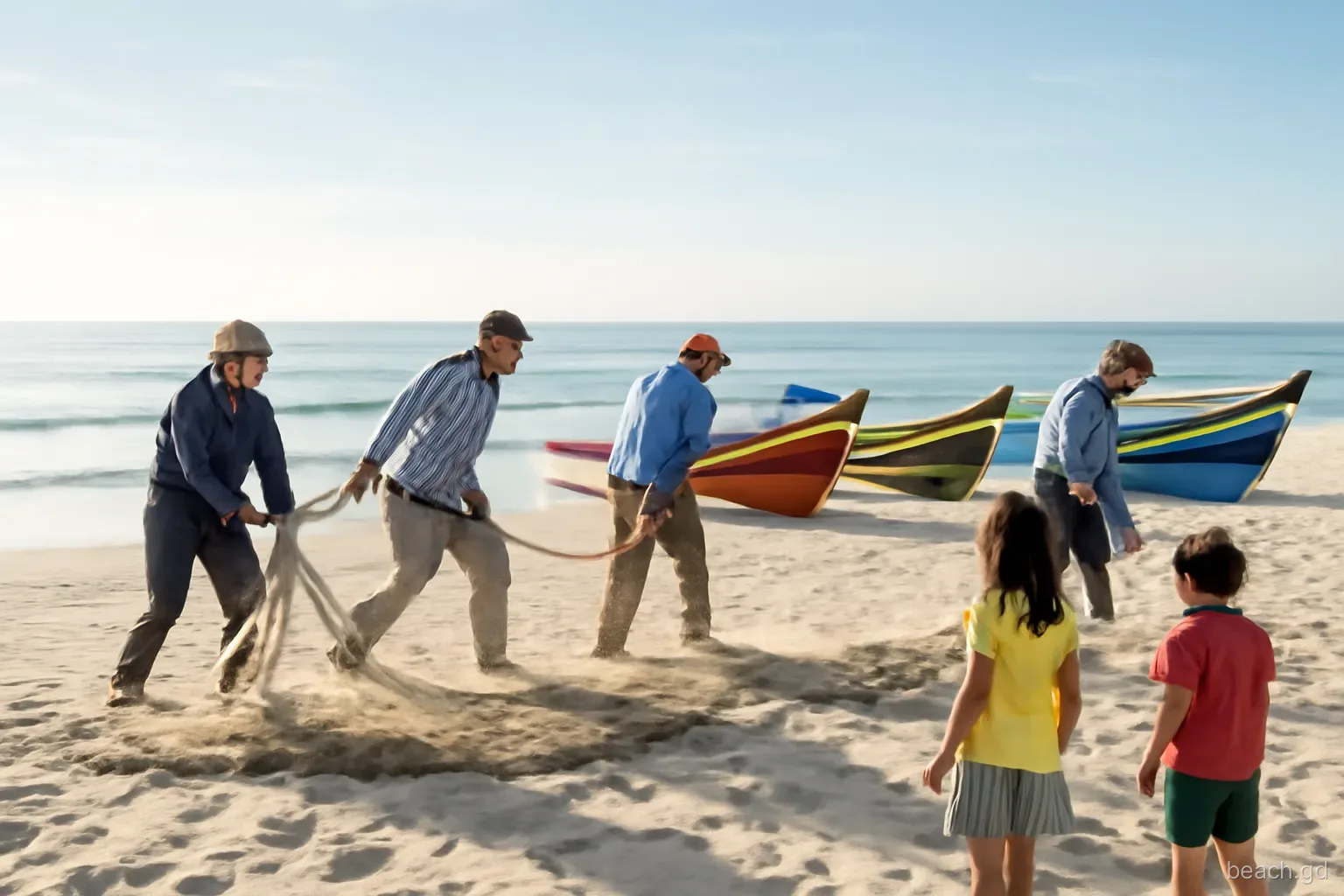
River Antoine Rum Distillery is one of the oldest working distilleries in the Caribbean, with roots in the late eighteenth century, and it still crushes sugar cane using a water wheel fed by a stream. The process has changed remarkably little: cane is crushed, the juice is boiled in a series of open copper vessels over fires, fermented in open tanks and distilled in pot stills. The result, sold as Rivers rum, is known around the island for its very high strength.
Guided tours have been offered for years and are short, practical and memorable, with the smell of fermenting juice and wood smoke everywhere. Production depends on the cane harvest and on whether the wheel is turning, so what you see varies by season and day. Opening times and tour fees are not something to assume; check locally before planning around them. If anyone in your group is driving, they should taste with great restraint or not at all, since the drive back is long.
The shore below: what Antoine Bay is really like
Rocky and exposed. The coast below the estates faces straight into the trade winds. Instead of a sheltered sandy cove, expect a shoreline of boulders, coarse rubble and short pockets of dark sand, with waves breaking hard on rocks offshore.
Not a swimming spot. There is no reef pool, no lifeguard and no easy exit from the water. Surge and backwash among the rocks are dangerous even on days that look moderate from the road.
Access is by farm and village tracks. Paths down to the sea cross private land and change over time. If a track is gated, planted or clearly someone's yard, do not use it. Ask in the village if you want to go down.
A place for looking. From the higher ground around the lake and the estate you get wide views of the coast, the white line of surf and the islands off the north-east tip. For most visitors, that view is the reason to come rather than the shore itself.
Debris and seaweed. Like the rest of the windward coast, this shore collects driftwood, plastic and, in some years, heavy sargassum.
Why this stretch of coast is so exposed
The north-east corner of Grenada is the first land the trade winds meet after crossing thousands of kilometres of open Atlantic. There is nothing to shelter it: no large island upwind and, along much of the shore, no continuous barrier reef. Waves arrive with the full energy of the ocean behind them and break directly onto rock and coarse sand. That is what has carved the cliffs, boulder beaches and small coves between Pearls and Levera.
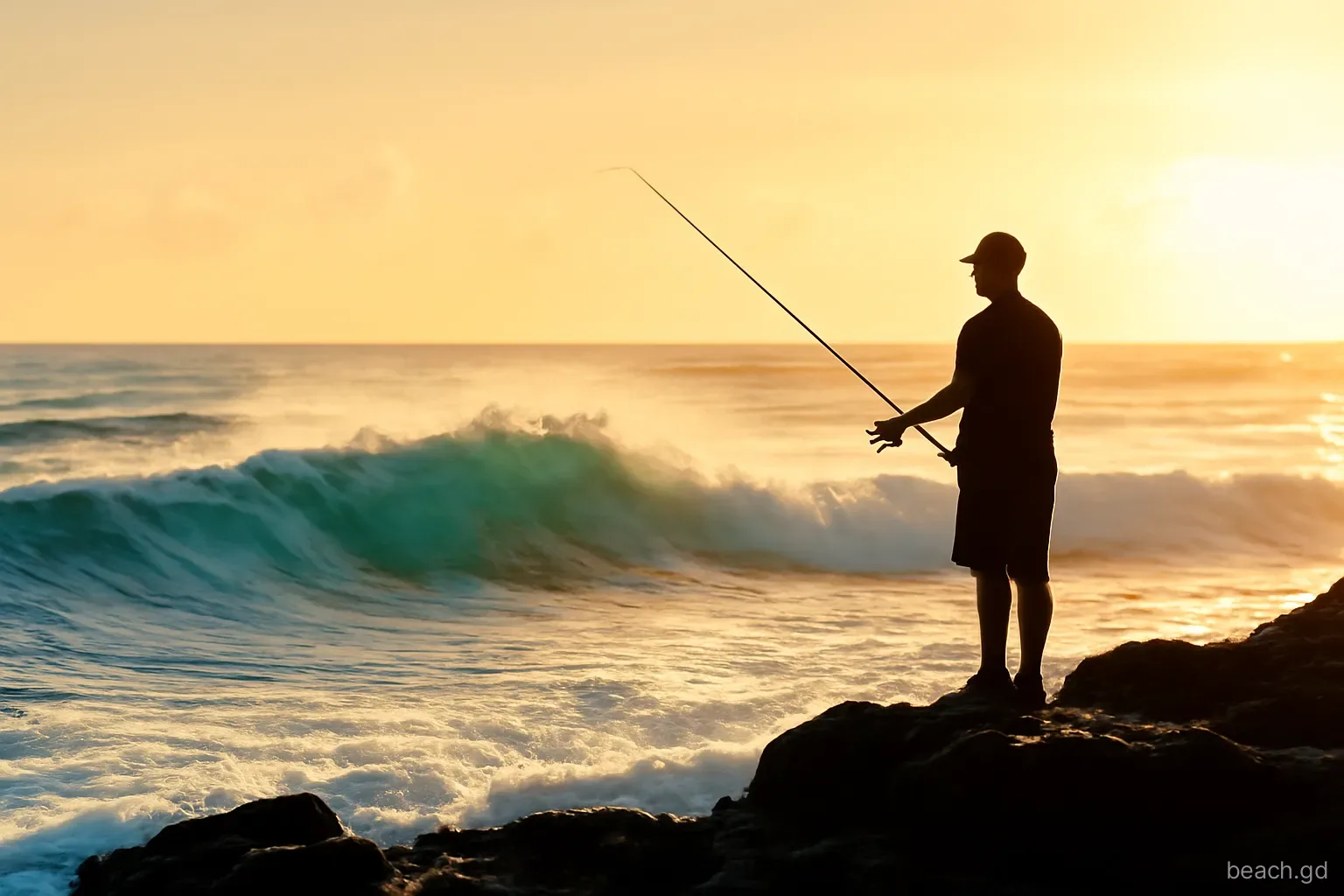
The places that are swimmable on this coast exist because of local quirks. At Bathway, a shelf of rock happens to lie parallel to the beach and absorb the swell. Elsewhere, reefs offshore calm the water in front of fishing villages, but leave channels where water drains out to sea with real force. The Antoine shore has neither advantage, which is why local people fish from its rocks rather than swim off them.
It also explains the wildlife. Seabirds ride the updrafts along the cliffs, and the islets off the north-east tip are nesting sites that people rarely disturb.
Understanding this saves you from the commonest mistake on the windward side: assuming that because one beach is calm, the next cove along will be too.
River Sallee and the springs
A few minutes towards Bathway, the village of River Sallee is known for small springs where gas bubbles up through water in shallow pools, giving the impression that the water is boiling. It is cold, not hot; the bubbling comes from volcanic gas rather than heat. The springs have spiritual significance for some people in the area, and you may see offerings such as coins, flowers or candles left at the edge.
Treat the place quietly. It is not a tourist attraction with paths and signs but part of village life, and people may be there for reasons that have nothing to do with sightseeing. A brief, respectful look on the way to the beach is the right length of visit. Ask someone nearby if you are not sure where to go, and do not wade in or remove anything from the pools.
Putting the detour together
The four stops sit within a few miles of one another, so the order depends on which direction you arrive from. Coming north from Grenville, this sequence wastes the least time.
- Leave the main road for River Antoine first, while the morning is cool and any work at the distillery is under way. Allow about an hour if a tour is running.
- Continue to Lake Antoine for a short walk and a look at the birds, ideally before the midday heat flattens everything.
- If you want the shore view, ask locally about a safe vantage point rather than heading down a random track to the rocks.
- Pause briefly at the River Sallee springs.
- Finish at Bathway for a swim in the reef pool, food and shade through the early afternoon.
- Head home along the north coast via Sauteurs, or back via Grenville if you prefer a shorter drive to the south-east.
Frequently asked questions
Can you swim in Lake Antoine?
People do not swim there. The lake is shallow, with a muddy, weedy bottom and reedy edges, and it is better appreciated as a scenic and birdwatching stop. For swimming, Bathway Beach and its reef-sheltered pool are only a few minutes' drive away.
Is Antoine Bay a good beach?
Not for swimming or sunbathing. The shore below the Antoine estates is rocky and exposed to Atlantic surf, with surge among boulders and no lifeguards. It is better seen from higher ground. Use Bathway, nearby, for a swim.
How strong is River Antoine rum?
Very strong by any standard. The distillery's rum is bottled at a far higher strength than ordinary commercial rums, which is why it is often mixed or sipped in small amounts. Drivers should avoid tasting, and anyone sampling should go slowly.
Do you need to book a River Antoine tour?
Tours have traditionally been offered without advance booking on working days, but hours, prices and what is operating change with the season and the cane harvest. It is sensible to check locally or with a tour operator before making a special trip.
What are the River Sallee boiling springs?
They are small pools in the village of River Sallee where volcanic gas bubbles up through cold water, making it look as if it is boiling. Some people regard the springs as spiritually significant and leave offerings. Visit briefly and respectfully, and do not wade in.