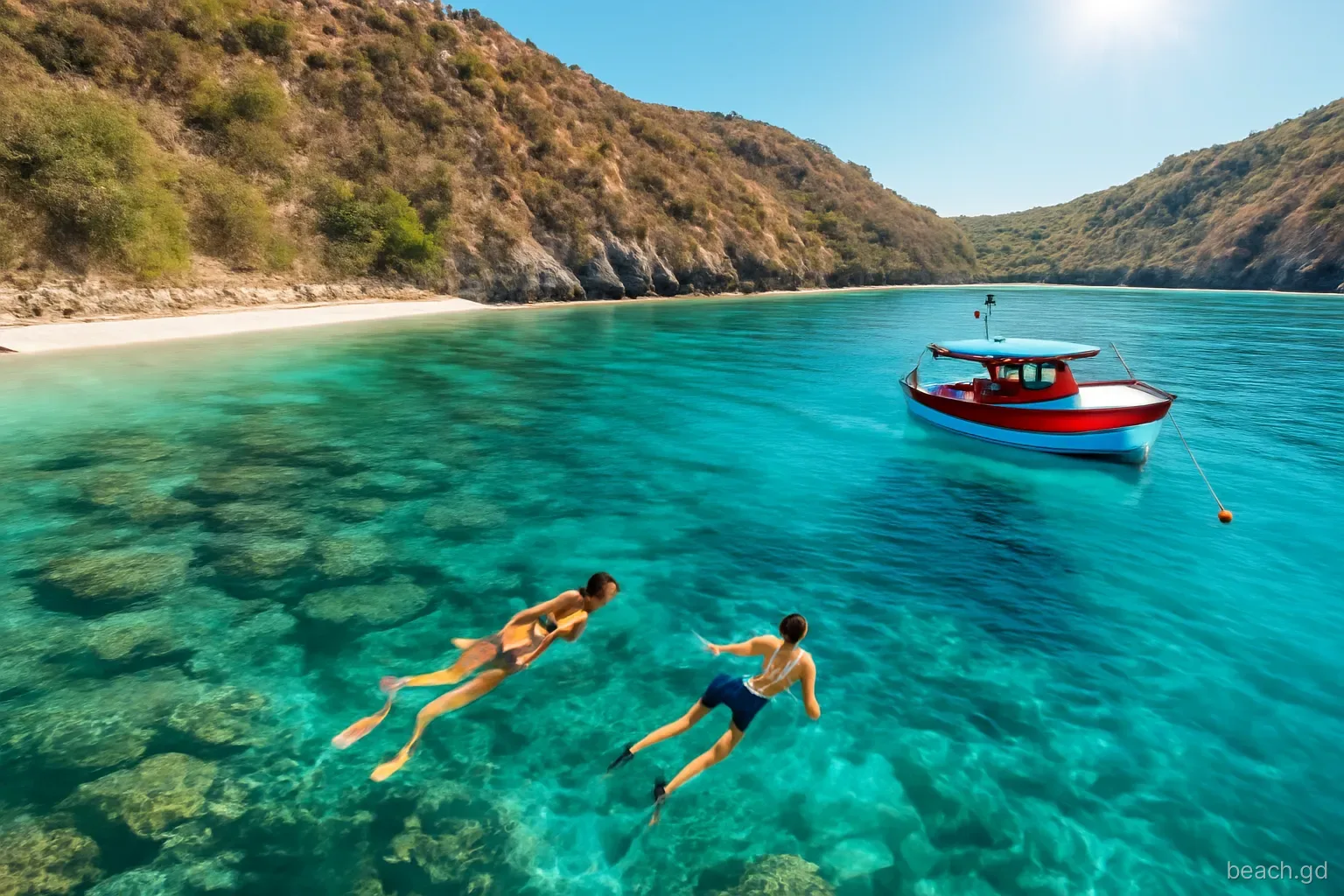
North of Grand Mal, the leeward coast breaks into a series of small bays backed by steep, dry hills: Moliniere, Dragon Bay, Flamingo Bay and their neighbours. From the road they are mostly invisible. From the water they are the best snorkelling on the main island, with reefs running close to shore, clear water on most days and, at Moliniere, the sculptures that made Grenada famous among divers.
These are not lounge-all-day beaches. The sand strips are narrow, there are no facilities and access is mainly by boat. This page explains what each cove is like, how the marine protected area works, how to get there and how to behave so that reefs which have taken decades to recover stay healthy.
The protected area and why it matters
The coves between Moliniere Point and Beausejour Bay fall within the Moliniere-Beausejour Marine Protected Area, the island's best-known MPA. It was established to protect fringing reefs that had been damaged by storms, anchoring and overfishing, and its rules limit fishing, prohibit anchoring on reef and require visitors to pay a small daily user fee. Fees and how they are collected have changed over the years; in practice, licensed tour and dive operators usually include or collect them, and the amount is modest. Confirm the current arrangement with your operator.
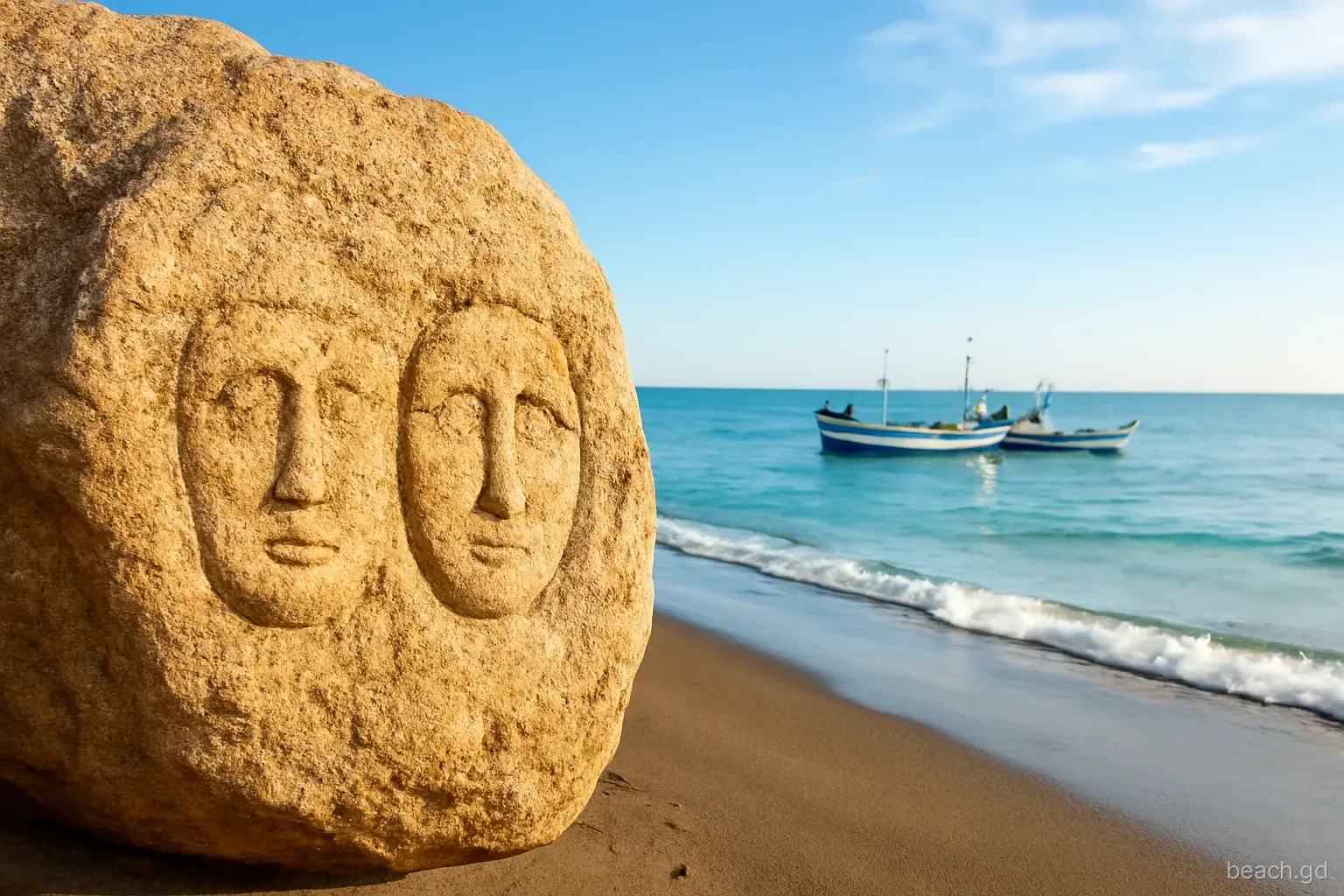
The protected area is also home to the Underwater Sculpture Park, created in 2006 by the artist Jason deCaires Taylor and since expanded with works by other artists. The original idea was to draw visitors away from fragile natural reefs onto artificial structures that would gradually be colonised by coral and sponges. Two decades on, the sculptures are encrusted with life and the surrounding reefs show what protection can do.
The protection is not cosmetic. Rangers and fisheries officers patrol the area, mooring buoys replace anchors, and fishing within the MPA is restricted. The result is visible: more fish, larger fish and healthier coral than in unprotected stretches of the same coast. That contrast is one of the most persuasive arguments for marine protection anywhere in the eastern Caribbean.
The coves, one by one
Moliniere Bay. Home of the sculpture park, with figures placed in water from a few metres deep to well beyond snorkelling depth. The shallow pieces can be seen clearly from the surface on calm, bright days. The shoreline is rocky with little usable beach, so this is a swim-from-the-boat stop.
Dragon Bay. A small cove with a short beach of sand and pebbles and a reef along its edges that is excellent for snorkelling. Some tours stop here for a swim from the beach. Visibility is often very good, and turtles and rays are seen regularly.
Flamingo Bay. Known among divers and snorkellers for a reef that drops away along the rocky wall at the side of the bay, with sea fans, sponges, schools of reef fish and occasional seahorses and frogfish for those who look carefully. The beach itself is a narrow strip and the interest is underwater.
Beausejour and the northern edge. Towards Beausejour the coast opens into a wider bay used by local people and fishermen. The protection rules still apply within the MPA boundary.
Getting there: boat, tour or the land route
By far the easiest way to reach these coves is by boat. Snorkel tours, glass-bottom boats and dive operators run regular trips from the Grand Anse and St George's area, usually combining the sculpture park with one or two of the reef coves. Trips typically last two to three hours. Prices vary with group size, boat type and whether gear and fees are included, so compare what is included rather than just the headline figure.
Water taxis and private boat charters can also take a group out for a custom trip; agree the itinerary, duration and price before leaving. Kayak and paddleboard tours have operated from beaches nearby at times, which suits calm days and fit paddlers.
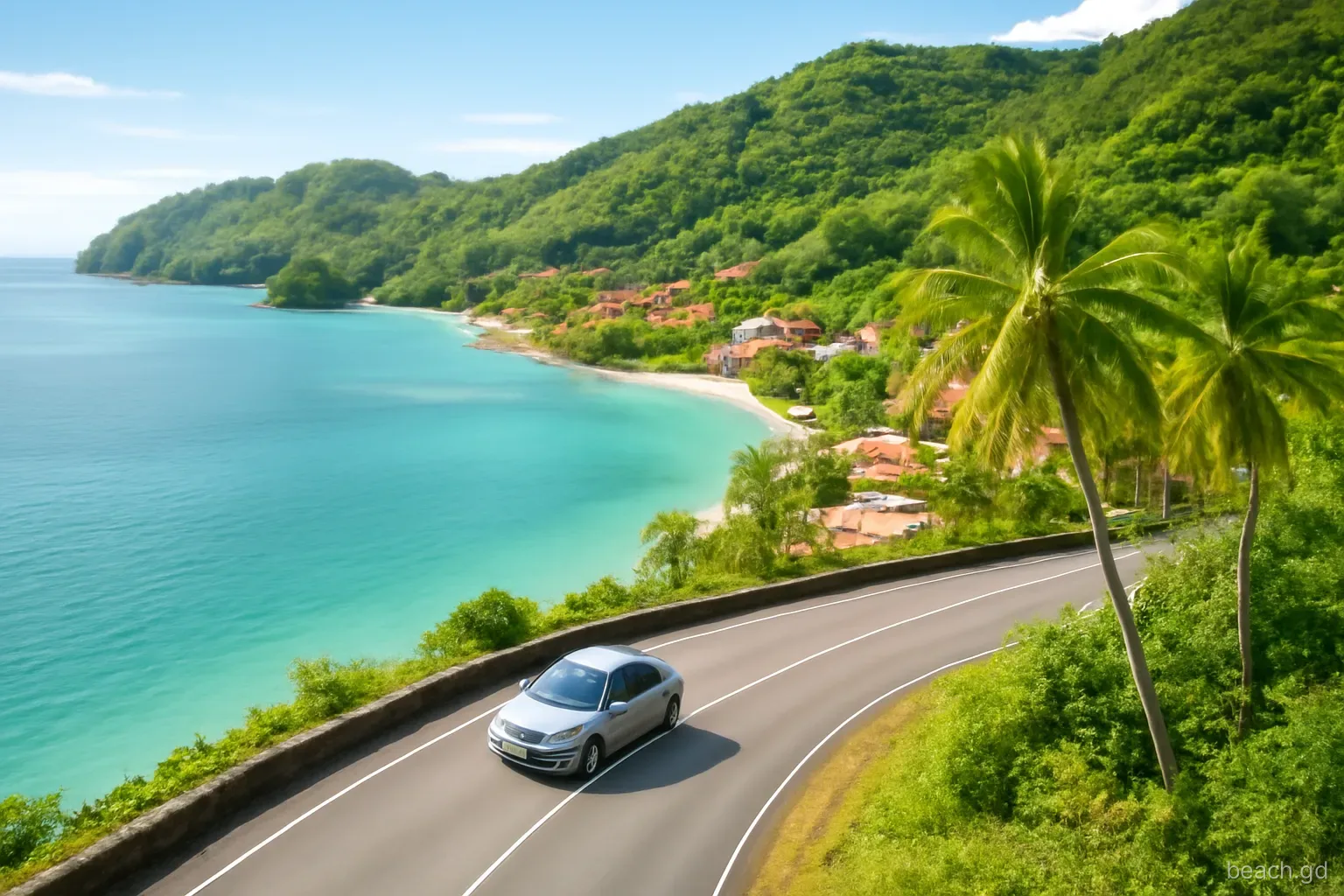
Some of the coves can be reached on foot by steep, informal paths down from the Western Main Road, but these cross private land in places, change with the vegetation and can be hard to find and harder to climb back up in the heat. Without local guidance, the land route is not worth the trouble.
Choosing the right trip
Snorkel tour. The standard option: a small boat, a guide, masks and fins, and two or three stops in the protected bays. Good for most visitors and the best value for groups. Ask how many people the boat carries and whether a guide swims with the group.
Glass-bottom boat. Ideal for non-swimmers, young children and anyone who wants to see the sculptures without getting wet. The view through the glass is clearest on calm, sunny mornings. Many trips also allow a snorkel stop for those who want it.
Dive trip. Certified divers see the deeper sculptures and the full reef walls at Flamingo Bay and nearby sites. Dive shops along the south-west coast run regular trips; bring your certification card and logbook.
Private charter. Gives flexibility over timing and stops, useful for families or photographers who want to linger. Make sure the boat uses moorings and the skipper knows the MPA rules.
Kayak or paddleboard. A quiet, low-impact way to see the coast on calm days, usually with a guide. It demands reasonable fitness, and wind can make the return harder than the outward leg.
Rules and reef etiquette
The reefs here recovered because people followed the rules. A few habits keep it that way.
- Never stand on coral or sculptures. Coral polyps are living animals; a single footstep can kill decades of growth. If you need to rest, float on your back or hold onto the boat.
- Wear a flotation vest if unsure. Tour boats carry them. Nervous swimmers are the ones most likely to stand on reef.
- Use reef-friendlier sunscreen, apply it well before entering the water, or cover up with a rash vest instead.
- Do not feed fish or touch turtles. Feeding changes their behaviour, and touching stresses wildlife.
- Boats use mooring buoys, never anchors on reef. If you charter a boat, make sure the operator follows this.
- Take nothing. Shells, coral fragments and anything on the seabed stay where they are.
- Pay the user fee. It helps fund patrols, buoys and monitoring.
Practical tips for the best visit
Go in the morning. Wind and boat traffic both pick up through the day, and the morning sun from behind the hills lights the water evenly without the harsh glare of midday. Calm, sunny days give the best visibility for the shallow sculptures; on overcast days, or after heavy rain sends runoff into the bays, the water can be cloudier. Winter ground swells occasionally make conditions rough enough for trips to be rescheduled.
Bring a mask that fits you well if you have one, as rental masks vary. Fins help in any current and keep your feet off the bottom. Wear a rash vest; snorkellers floating face-down for an hour burn the backs of their legs and necks badly. And eat beforehand, because there is nothing to buy in any of these coves.
Finally, tell the guide about your swimming ability honestly. A good guide adjusts the route, hands out flotation vests and keeps weaker swimmers close to the boat. Overestimating yourself is how people end up tired, anxious and standing on coral to rest.
Frequently asked questions
Can you walk to Dragon Bay or Flamingo Bay?
There are steep, informal paths down from the Western Main Road, but they cross private land in places, are hard to find and can be tiring in the heat. Most people visit by boat on a snorkel or dive trip from Grand Anse or St George's, which is easier and safer.
Is there a fee to snorkel at Moliniere?
Yes, the Moliniere-Beausejour Marine Protected Area charges a modest daily user fee to fund management. Tour and dive operators usually collect it or include it in the trip price. The amount and method have changed over time, so confirm with your operator.
Can you see the underwater sculptures while snorkelling?
Yes, many of the shallower sculptures are visible from the surface on calm, clear days, though some pieces lie deeper and are best seen by divers. Visibility varies with weather and runoff, and is usually best in the morning when the sea is calm.
Is Flamingo Bay good for beginners?
The water is usually calm, but the best reef lies along a wall at the side of the bay, where depth increases quickly. Beginners do well with a flotation vest and a guide. Confident swimmers who are comfortable in deeper water get the most from it.
What is the best time of year to snorkel the leeward coves?
Snorkelling is possible year-round. The dry season from roughly January to May often brings the clearest water, though winter ground swells can occasionally disrupt trips. Rainy-season mornings are often excellent, with afternoon showers and runoff reducing visibility later in the day.