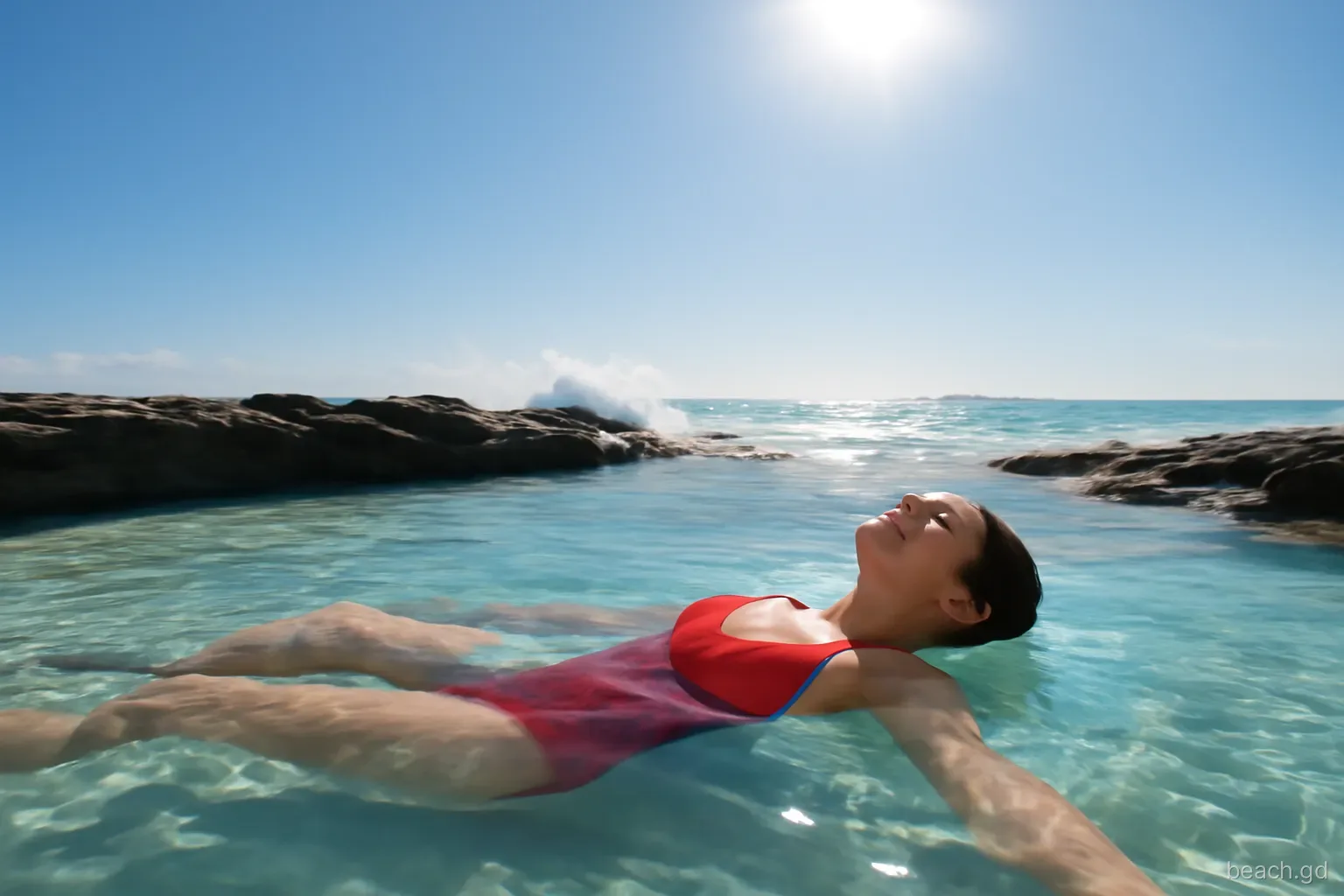
Bathway is the one beach on Grenada's wild north-east corner where most people actually get in the water, and the reason is geological rather than lucky. A low shelf of rock runs parallel to the sand a short way out, and the Atlantic swell breaks on that shelf instead of on your shins. Between rock and shore sits a long, narrow strip of calmer water that behaves more like a tidal pool than an ocean.
That strip is the whole story of Bathway. Swim inside it and the beach is one of the most enjoyable on the island: warm, clear, with surf thumping just metres away. Ignore where it ends and you are on an exposed windward coast with currents that the lifeguards treat as the most demanding they cover. This review explains the layout, the facilities, the crowds and the small decisions that make the difference between a good day and a frightening one.
Where Bathway sits and what the sand is like
Bathway lies in St Patrick, close to the north-eastern tip of the main island and a short drive from Levera National Park. From the beach you look out at the small islands off the north-east coast, with Sugar Loaf the most obvious green hump, and on clear days the outline of the Grenadines further north. The road in comes down through farming villages around River Sallee, so the last stretch feels rural even though the beach itself has a car park and buildings.
The sand is coarse and golden, mixed with fragments of shell and coral that make it crunch underfoot and dry quickly. It shelves gently near the pool and is broad enough at the back for picnic blankets. A line of sea grape and coconut palms gives some shade along the rear edge, but the front of the beach is fully exposed and the trade wind hides how strong the sun is. Expect to feel cool and still burn.
How the reef pool actually works
The shelf is the breakwater. The rock shelf runs roughly parallel to the shoreline along the western part of the beach. Waves expend most of their energy on it, so the water between the shelf and the sand is far calmer than the open sea. On a quiet morning it can be almost glassy; on a windy afternoon there is a gentle slop and the odd surge as bigger sets wash over the top.
Depth changes with the tide. At low tide parts of the shelf stand clear of the water and the pool becomes shallow enough for small children to sit in. At high tide more water spills over and the pool is deeper and livelier. Neither is better, but the surge over the rock is stronger when the tide is up and the swell is running.
The pool has edges. Towards the eastern end the shelf breaks up and the protection disappears. That is where the beach becomes open Atlantic, and it is not a swimming area. Swimming beyond the shelf is not permitted, and the lifeguards will call you back if you try.
Do not walk out on the rock. The shelf is sharp, slippery and covered with urchins in places. Waves that look small from the beach can knock a standing adult over on top of it. Admire it from the pool side.
Facilities, lifeguards and parking
Bathway is one of the better-equipped beaches outside the south-west. There is a parking area behind the sand, a facility building with toilets and changing rooms, picnic shelters and a few small bars and food vendors whose opening depends heavily on the day and the season. Do not count on the toilets being open early in the morning or late in the afternoon, and bring cash in Eastern Caribbean dollars for food and drinks; card machines are not something to rely on this far from town.
The beach is covered by lifeguards, a service run under contract to the government, and the lifeguard post is there precisely because conditions here are tougher than on the leeward side. Hours have changed over the years, so treat lifeguard cover as a daytime service and do not assume anyone is watching the water early in the morning or after late afternoon. Swim where you can see a lifeguard, and ask them where the pool is calmest that day; conditions shift with tide and swell.
Crowds: weekdays, Sundays and holidays
On an ordinary weekday Bathway is quiet. A few local families, a hire car or two of visitors, maybe a tour van around midday, and long stretches of empty sand. It is one of the easiest places on the island to find space, which is part of its appeal for people staying in the crowded south-west.
Sunday is different, and better for it. Families from the surrounding villages come down in the afternoon with pots, wood and coolers, cook over small fires at the back of the beach, play dominoes under the shelters and send the children into the pool. Music drifts across from the car park. It is a good time to see Bathway as a community beach rather than a tourist stop, but the shelters fill up and parking gets tight. Public holidays, especially around Easter and Emancipation, bring the same pattern on a bigger scale. Arrive before noon if you want a shelter, or bring your own shade.
The best time of day to go
Morning is Bathway at its best. The sun rises over the Atlantic in front of you, so the water is lit from the side and looks its clearest, and the trade wind is often lighter before the land heats up. If you are staying in the south-west, leaving around eight gets you to the beach by half past nine, with the pool calm and the shelters free. Tour vans, when they come, tend to arrive around the middle of the day.
By early afternoon the wind usually freshens, the surface of the pool gets choppier and the sand at the front becomes properly hot. That is a good time to eat, find shade at the back and walk over towards Levera, returning for a last swim when the sun drops behind the hills and the beach falls into shadow. The light on the surf then is soft and golden, which is when most of the good photographs are taken.
Tide matters as much as the clock. A falling tide on a calm day gives the gentlest, shallowest pool; a high tide with a big swell gives surges that suit confident adult swimmers only. Tide tables for the region are easy to find, and the lifeguards know the pattern of the beach better than any table.
Mistakes people make at Bathway
Most problems at Bathway come from treating it like Grand Anse. It is a different coast with different rules.
- Swimming at the eastern end. The open water past the end of the shelf looks inviting on a calm day. The current there runs along the shore and out, and help is further away than it feels.
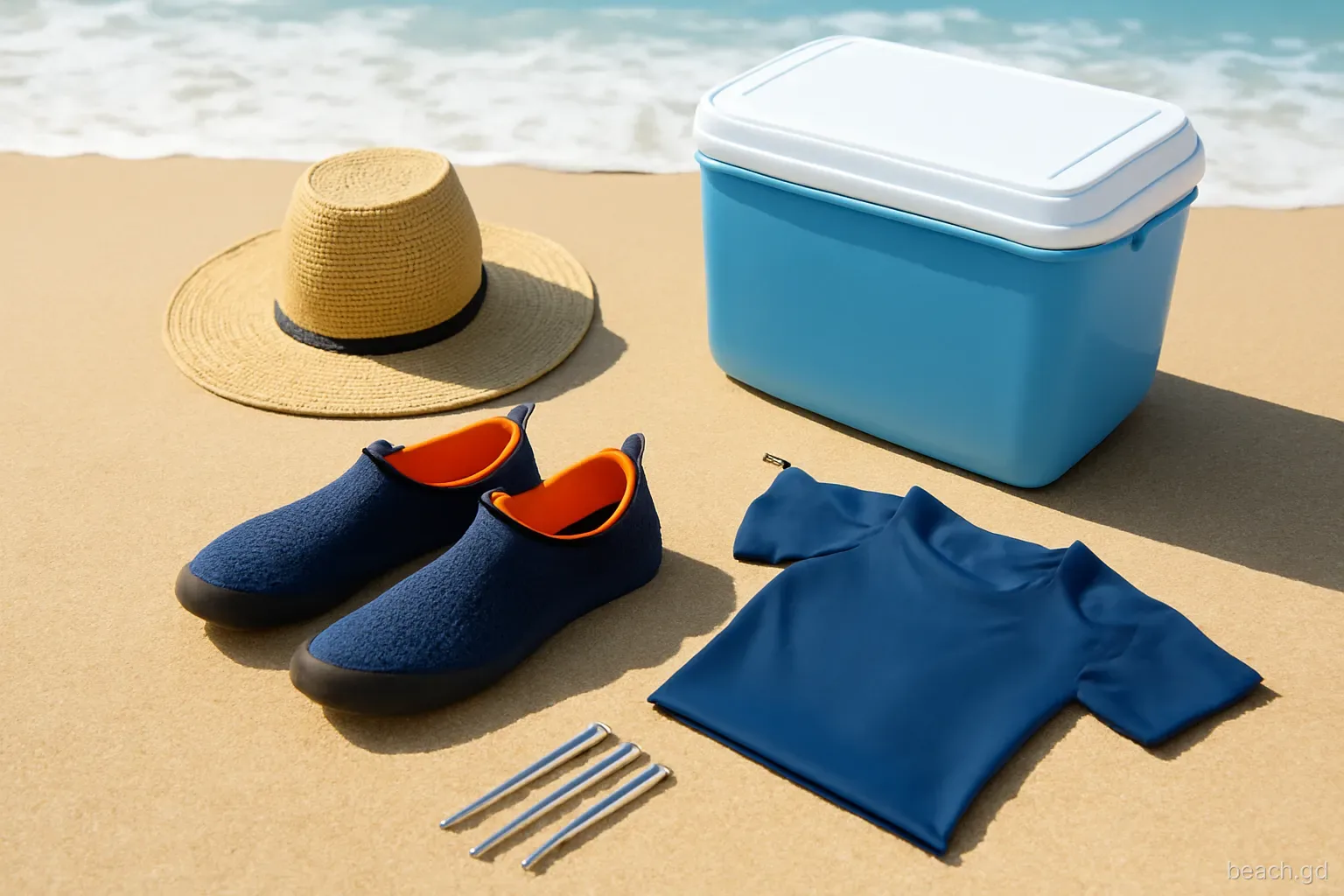
- Barefoot on the shelf edge. Urchin spines and coral cuts are the most common injuries. Reef shoes or old trainers solve both.
- Arriving at midday with no shade. The palms at the back go quickly on busy days, and an umbrella is hard to plant in a stiff trade wind. A small sun shelter with sand pegs works better.
- Leaving bags in the car in plain view. The car park is not supervised. Take valuables with you or leave them at your accommodation.
- Ignoring the flags and the lifeguards. When the swell is big, water pours over the shelf and the pool develops surges that can pull a child off their feet. If the lifeguards close part of the pool, it is for a reason.
- Leaving too late. The drive back to the south-west takes well over an hour on narrow roads, and much of it is unlit after dark.
Frequently asked questions
Is Bathway Beach safe for swimming?
Yes, inside the sheltered pool between the rock shelf and the shore, when lifeguards are on duty and you follow their instructions. Swimming outside the shelf or at the exposed eastern end is not safe and not allowed. Check the flags and ask the lifeguards about conditions before you go in.
Is Bathway good for snorkelling?
Only in a limited way. The pool is shallow and clear enough to see small fish around the inner edge of the rock, but there is no coral reef to explore and the surge near the shelf can be strong. For proper snorkelling, the leeward coast and Carriacou are much better choices.
How long does it take to drive to Bathway from Grand Anse?
Allow about an hour and a half each way, sometimes more, whether you go through Grenville or along the west coast through Sauteurs. Roads are narrow and winding. Many visitors combine the two routes into a loop and stop at Lake Antoine or River Antoine on the way.
Are there toilets and food at Bathway Beach?
There is a facility building with toilets and changing rooms, plus a few small bars and vendors. Opening times are irregular, especially on weekdays outside the winter season, so bring water, snacks and cash rather than relying on what is open that day.
Can young children swim at Bathway?
In the shallow part of the pool at low tide, with an adult in the water beside them, many families find it works well. Keep children well away from the shelf itself and from the eastern end, and remember that bigger swells can send surges across the pool without warning.