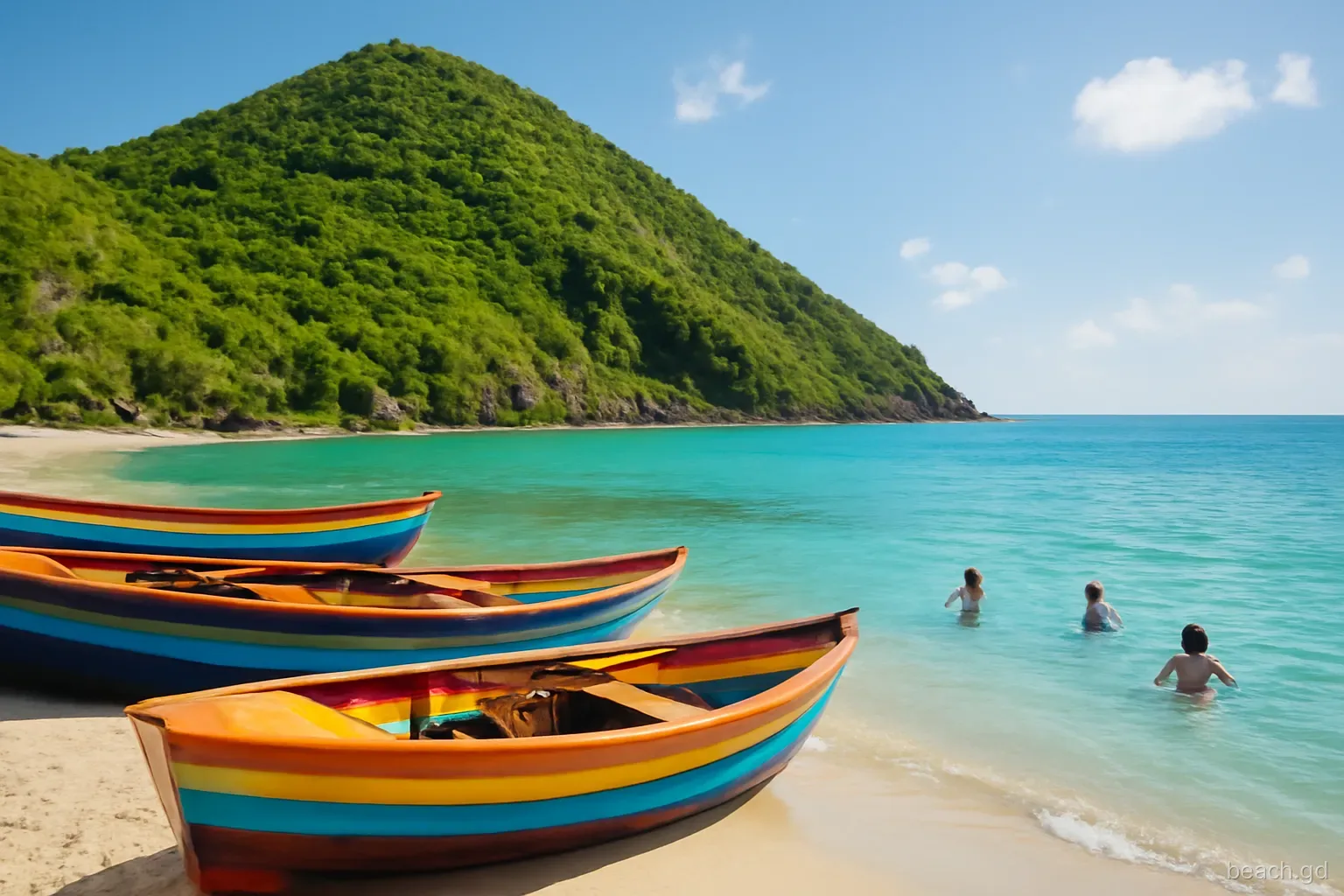
Off Carriacou's southern tip lie two small islands that most visitors only see from the ferry: White Island, a tiny scrub-covered hump ringed by sand and reef, and Saline Island beside it, larger and lower. Neither has a road, a bar or a jetty, and neither is reached by ferry. You get there by small boat, usually from Tyrrel Bay or Hillsborough, and you stay as long as your water and your boatman allow.
For a calm day, White Island in particular is one of the most rewarding beach trips in the Grenadines: a short beach, clear water and reef close to the sand. But the crossing is more exposed than the hop to Sandy Island, and the trip needs more planning. This piece covers how it works and what to settle before you go.
The two islands, compared
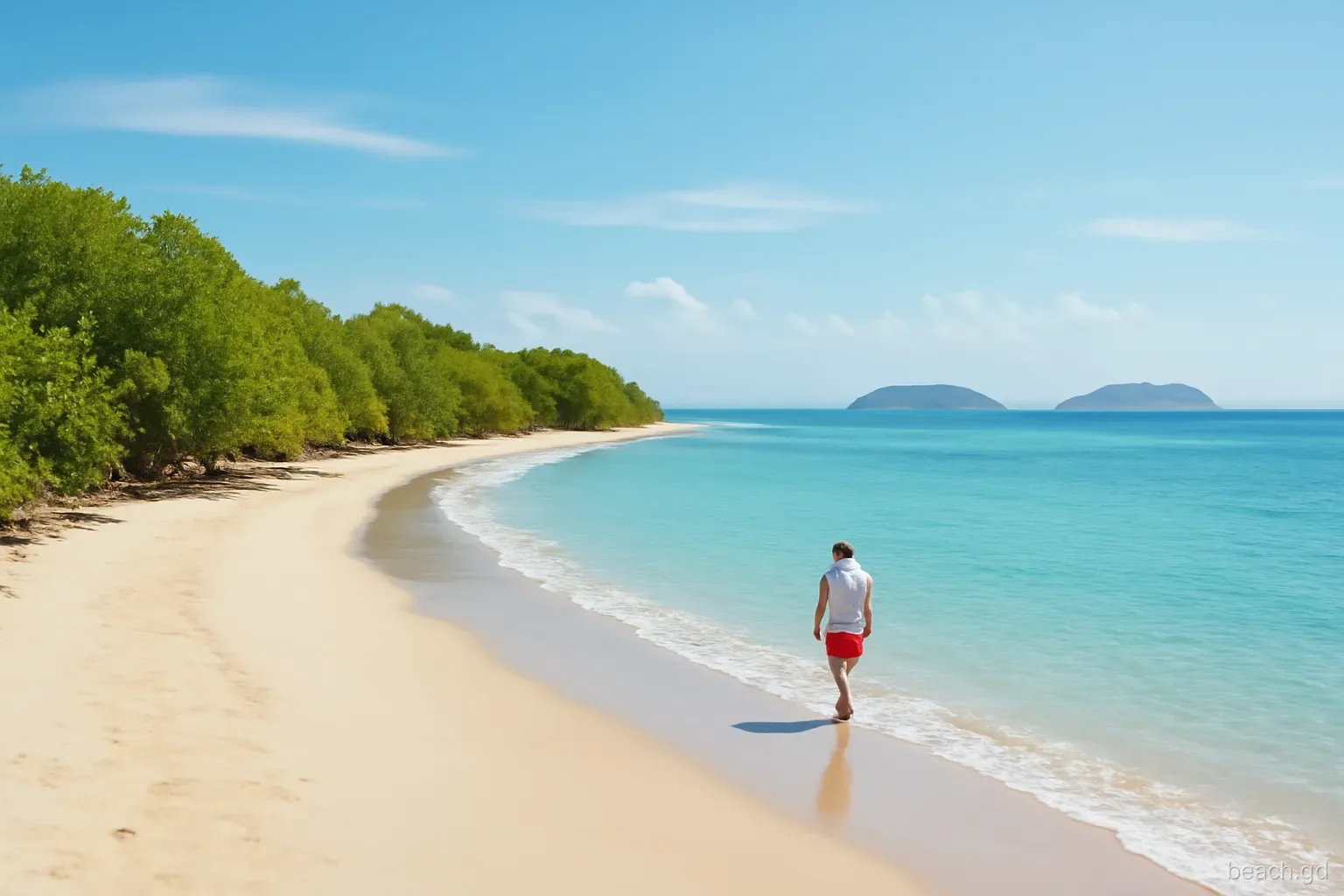
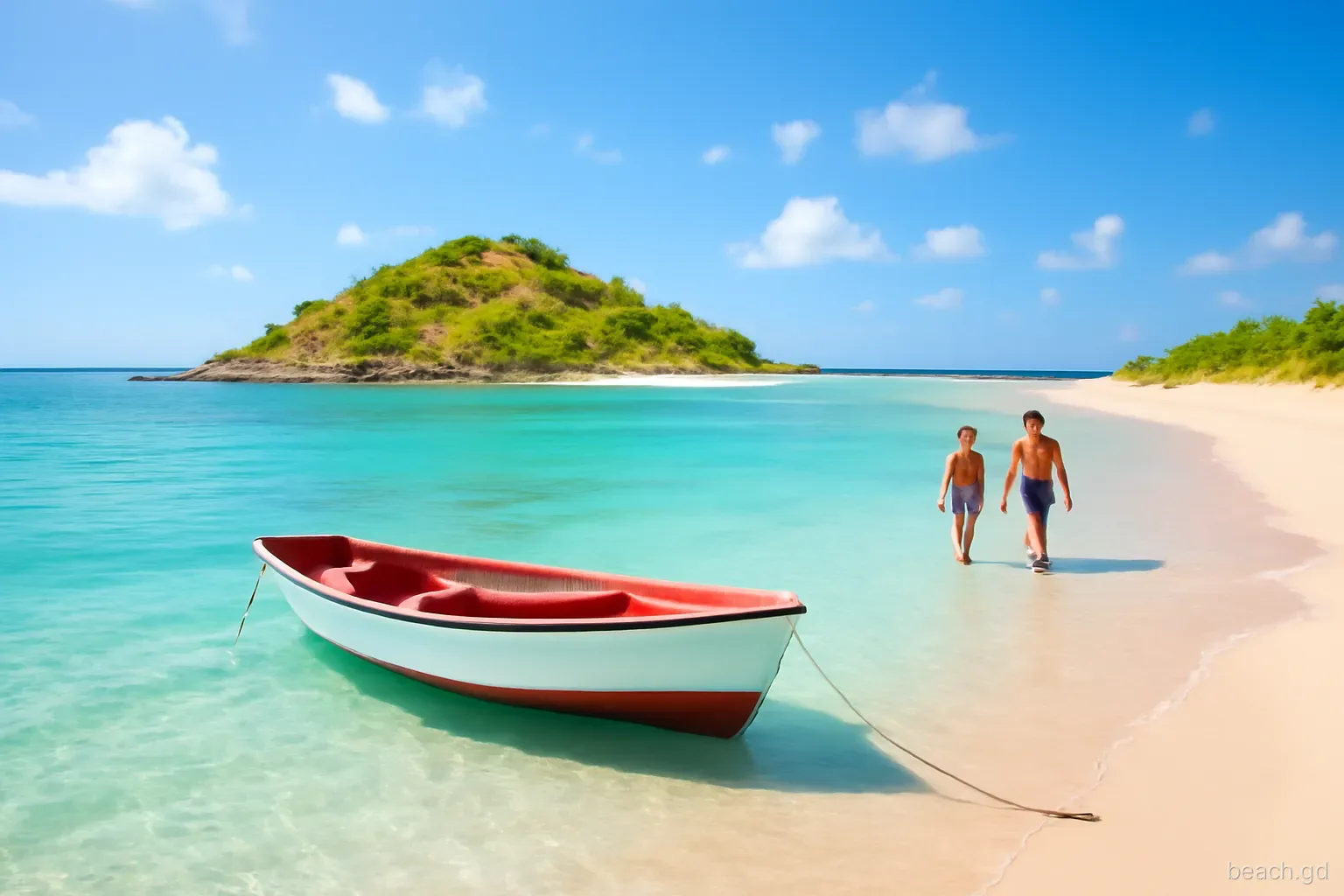
White Island is the one people come for. It is very small, with a low hill covered in dry scrub and cactus, a strip of pale sand on its sheltered side and reef running off the shore. The beach faces away from the prevailing wind, so on most days the water in front of it is calm enough to wade in from the boat. The reef is close and shallow enough for snorkellers, with the usual Grenadines mix of parrotfish, tangs, wrasse and occasional rays and turtles.
Saline Island, just alongside, is larger, flatter and less visited. It has beach on parts of its shore and a salt pond inland, which is where the name comes from. It is less a picnic stop than a place boatmen may point out or circle; land use and ownership on the Grenadines islets is not always obvious, so if you go ashore, keep to the beach and respect anything that looks fenced or tended.
Both islands have been battered by storms over the years and the vegetation is sparse. Do not expect palm shade.
How the trip usually works
Who takes you. Water-taxi operators and fishermen in Tyrrel Bay and Hillsborough run the trip, and some guesthouses arrange it. A few day-sail and snorkel operators include White Island on longer outings. Ask your host who is running trips this season.
How long the ride is. From Tyrrel Bay the run is relatively short, roughly 15 to 30 minutes depending on the boat. From Hillsborough it is longer, round the south-west of the island.
What it costs. Because the boat makes a longer run, fares are higher than for Sandy Island and are usually quoted per boat, which favours groups. Agree the full return price, the currency and the pick-up time before leaving. Prices change, so treat any figure you have read as a starting point.
Drop-off or stay with you. Some boatmen drop you and return; others wait or fish nearby. On an islet this remote, a boat that stays within sight is safer, especially with children.
Going with a yacht or dinghy. Visiting boats anchor off the sandy patches in good weather. Anchor only on sand, never on coral or seagrass, and watch the forecast closely, as the anchorage is open to changes in wind.
Pack as if nothing is there, because nothing is
Most of the problems on this trip come from under-packing. A sensible kit for a group:
- Drinking water: at least 1.5 litres per person for a half day.
- Lunch or snacks in a cool box, plus a bag for every scrap of rubbish.
- Your own shade: a light umbrella or pop-up shelter that can be weighed down with sand.
- Mask, snorkel and fins; borrowing on the island is not an option.
- Reef shoes for the rocky edges and for walking on hot sand.
- Dry bag for phones and cash, and a towel per person.
- A basic first-aid kit, including something for coral scrapes and vinegar if you are worried about jellyfish.
- Seasickness tablets if you are prone, taken well before departure.
Sea conditions and the crossing
The south of Carriacou is more open to the trade winds and to the current that runs through the Grenadines than the sheltered west coast. On a day of moderate easterly wind, the crossing is lively but fine for an experienced local boatman; on a day of strong wind or swell it can be uncomfortable, wet and occasionally not worth doing. Boatmen read this better than any forecast. If one says not today, ask whether tomorrow looks better.
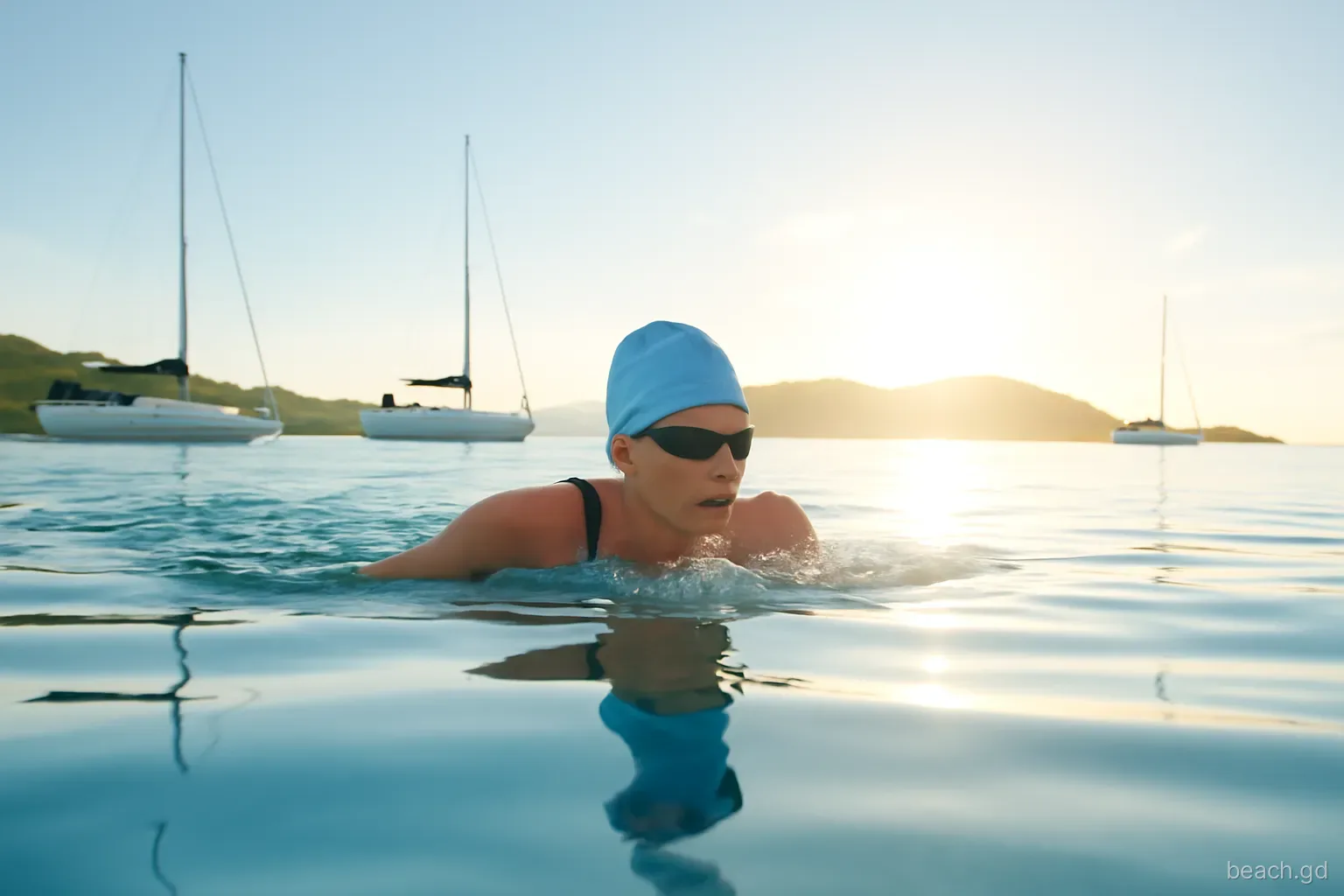
Currents can run along the edges of both islands and around the reef. Snorkel on the sheltered side, with a partner, and stay between the beach and the reef rather than drifting off the end. In the rainy season, roughly June to December, squalls can arrive quickly; if the sky darkens to windward, get back to the beach and close to the boat.
Mornings are usually calmer than afternoons. A 9am start and a return by early afternoon fits both the weather pattern and the need to avoid the strongest sun.
Questions to settle before you leave the jetty
A two-minute conversation at the jetty prevents most of the problems that spoil this trip, and a good boatman will not mind being asked. Run through these before anyone climbs aboard:
- Is the price per person or per boat, return, and in EC or US dollars?
- Will the boat wait, or come back, and at what exact time?
- Is there a life jacket on board for every passenger, including children's sizes?
- Does the boatman carry water, a spare fuel can and a working radio or phone?
- Which island and which beach will you land on, and where is the calmest place to swim today?
- If the weather turns, what is the plan for leaving early?
- Is there anywhere on the way back to stop for lunch or a toilet?
- Does anyone else know where the boat is going and when it should be back?
Who the trip suits, and who should skip it
White Island rewards confident swimmers, snorkellers and anyone who likes a beach with no infrastructure at all. It suits small groups well, because the per-boat fare divides nicely and a group can carry shade, food and water between them.
It is a harder sell for people who get seasick easily, for very young children who need toilets and shade on demand, and for anyone with limited mobility, since landing usually means stepping off a boat into knee-deep water and wading ashore. For those visitors, Paradise Beach with a short hop to Sandy Island gives a similar feel with far less exposure. If you do take young children, choose a boatman who will stay at the island and a calm morning, and keep the visit short.
Leaving the islands as you found them
The southern islets have no rubbish collection, no rangers on permanent watch and very little soil, so anything left behind stays for years. Pack out everything, including food scraps, which attract rats and upset the birds that use the islands. Do not light fires on the beach or in the scrub; in the dry season the vegetation burns easily and there is no way to put a fire out.
Do not take shells, coral or sand as souvenirs; removing beach material is controlled in Grenada, and the islands have little to spare. Seabirds and lizards live in the scrub, so keep to the beach rather than pushing through the vegetation, and keep music low. If turtle tracks appear on the sand, leave them and any nest area untouched, and mention them to your boatman or host so local conservation volunteers can be told.
Frequently asked questions
How do you get to White Island from Carriacou?
By small boat. Water taxis and fishermen in Tyrrel Bay and Hillsborough run trips, and some guesthouses arrange them. Agree the return fare, the currency and the pick-up time before you leave, and ask whether the boat will wait nearby.
Is White Island good for snorkelling?
On calm days it is one of the better snorkelling beaches near Carriacou, with reef close to the shore on the sheltered side. Stay with a partner and keep between the beach and the reef, as currents can run around the ends of the island.
Are there facilities on White Island or Saline Island?
No. There are no toilets, no shops and no shade structures on either island. Bring water, food, shade, sun protection and snorkel gear, and take all rubbish back with you, including food waste.
Is the crossing to White Island rough?
It can be. The south of Carriacou is more exposed to wind and current than the west coast. On calm or moderate days it is a short, lively ride; in strong wind boatmen may postpone. Take seasickness tablets beforehand if you need them.
Can you combine White Island and Sandy Island in one day?
It is possible by boat, but it makes a long day in the sun with two remote landings. Most visitors enjoy them more on separate mornings, which also gives a second chance if the weather is wrong on the first attempt.