Petite Martinique is the smallest inhabited island of the state of Grenada: about 2.4 square kilometres and roughly 900 people, a few kilometres north-east of Carriacou. It is a steep island rising to a central hill, with one road that circles much of it, houses on the lower slopes and a community long tied to the sea through fishing, boatbuilding and trading.
People ask what the beaches are like, and the honest answer is that Petite Martinique is a shoreline rather than a beach destination. There are sandy stretches where people swim, clear water and views across to Petite St Vincent and the islands of St Vincent and the Grenadines, but no beach strip, no loungers and very little built for visitors. Go with that in mind and a day there is one of the more memorable outings in the country. This piece explains what to expect and how to plan it.
What the shoreline is like
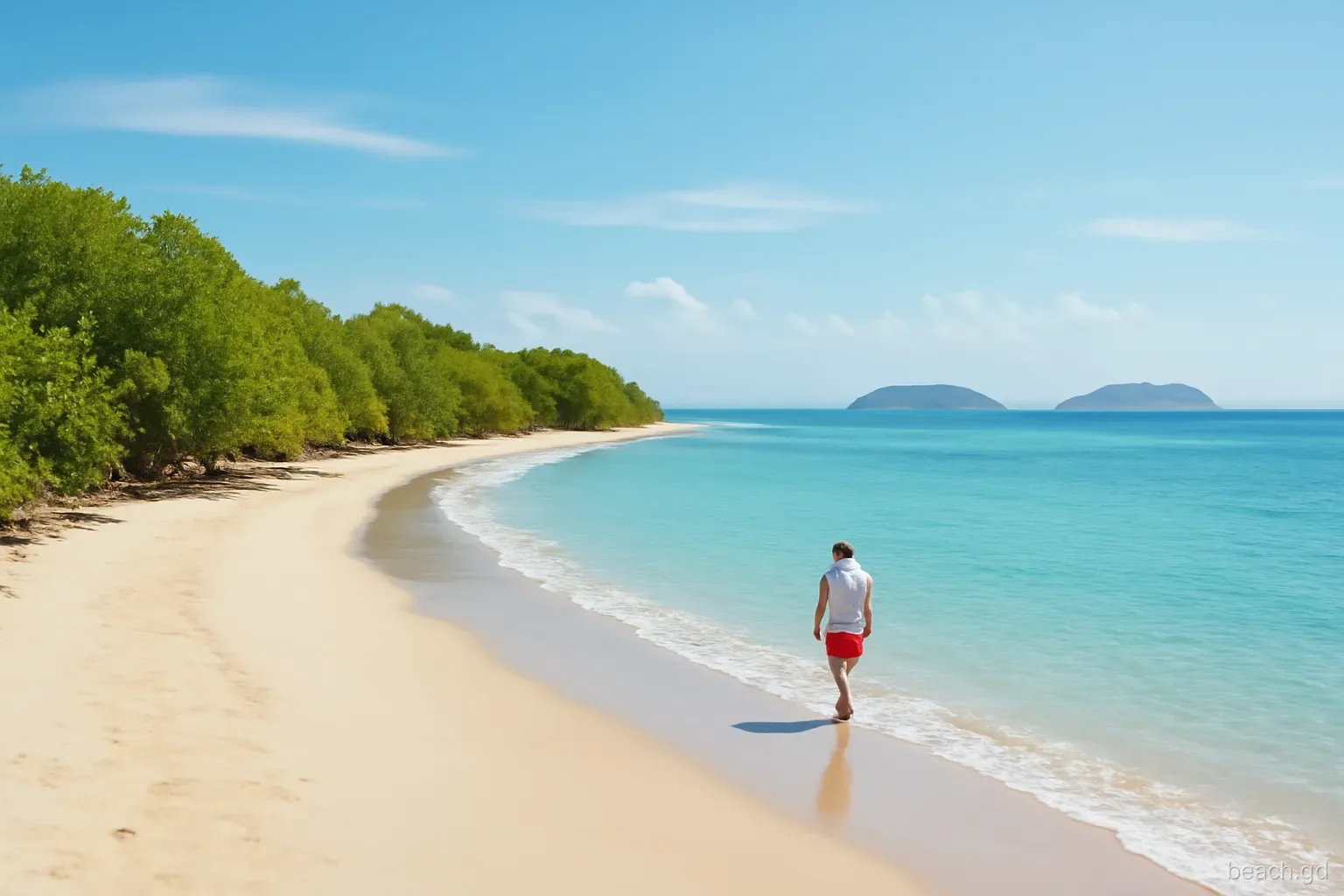
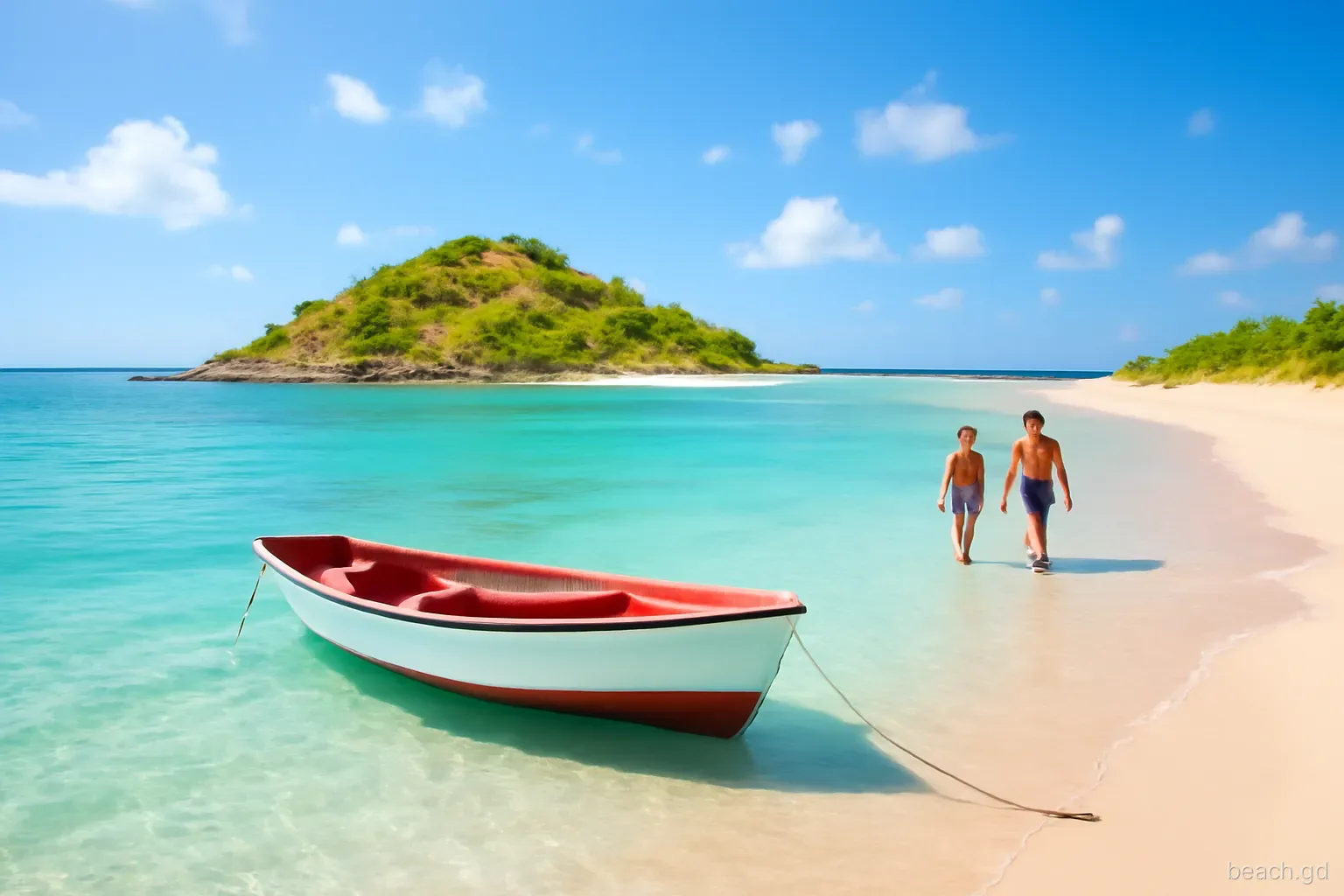
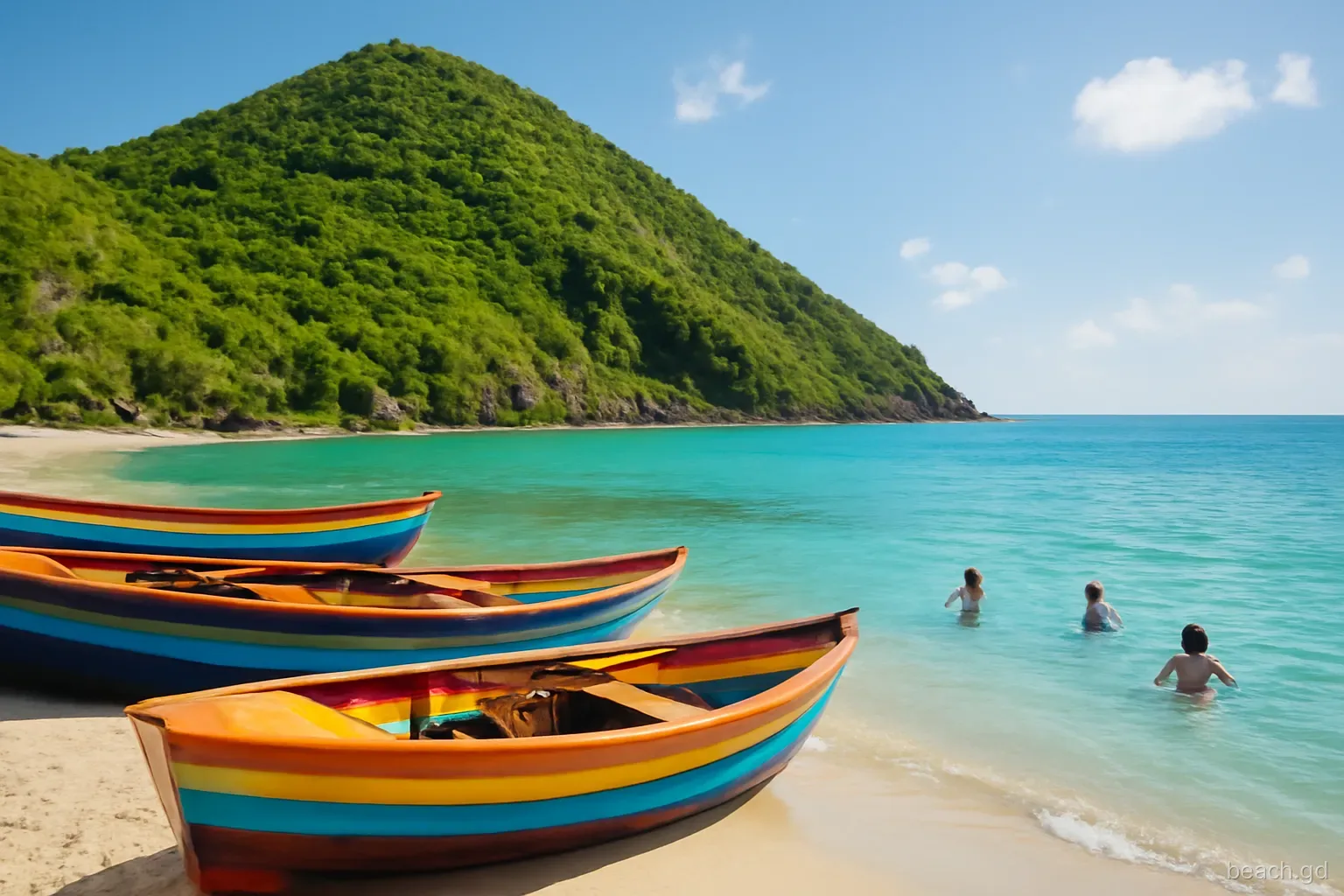
The western, leeward side, where the main jetty and most of the village life are, is the gentler shore. Here you find small sandy beaches between rocky sections, fishing boats pulled up above the waterline and calm water most days. This is where residents swim, children play in the shallows in the afternoon and boats come and go. The sand is pale and the water clear over sand and rock.
The eastern, windward side faces the trade wind and the open channel towards Petite St Vincent, a privately run resort island belonging to St Vincent and the Grenadines, and the tiny sand cay of Mopion beyond. That side has more rock and more swell, with less inviting swimming but strong views. The south of the island is lower and has some sandy stretches too.
Hurricane Beryl passed very close in July 2024 and destroyed or badly damaged most homes on the island. Rebuilding has been rapid in places, driven by close family networks and help from abroad, but the shore may still show storm debris, damaged boats and work in progress. Be sensitive about photographing damaged homes.
Getting there from Carriacou
The ferry. The Osprey ferry that links St George's and Carriacou continues from Carriacou to Petite Martinique on its scheduled runs. The crossing from Hillsborough is short. Timetables have changed since Beryl and vary by day, so check the current schedule, particularly the time of the last boat back.
Boats from Windward. Small boats run between Windward on Carriacou's north-east coast and Petite Martinique, a crossing of a few kilometres. Ask in Windward; fares are agreed on the spot and depend on whether you share a regular run or charter a boat.
Rough water. The channel between the islands can be choppy in strong trade winds. Expect spray, keep phones in a dry bag and take seasickness tablets in advance if needed.
Day trip or overnight. A day trip is enough to walk the road, swim and eat. An overnight stay lets you see the island when the boats come in at the end of the day, but accommodation is very limited, so book directly and confirm.
Planning a beach day, step by step
A simple plan keeps a Petite Martinique day relaxed rather than rushed:
- Check the outward and return boat times the day before, from the operator or your guesthouse, not from an old timetable.
- Take EC dollars in cash. There are small shops and places to eat, but card acceptance is limited and you should not rely on finding a working ATM.
- On arrival, ask at the jetty or in a shop which beach is calmest today. Residents know which side is sheltered given the wind.
- Walk part of the road around the island in the morning, before the heat, for the views across to the Grenadines.
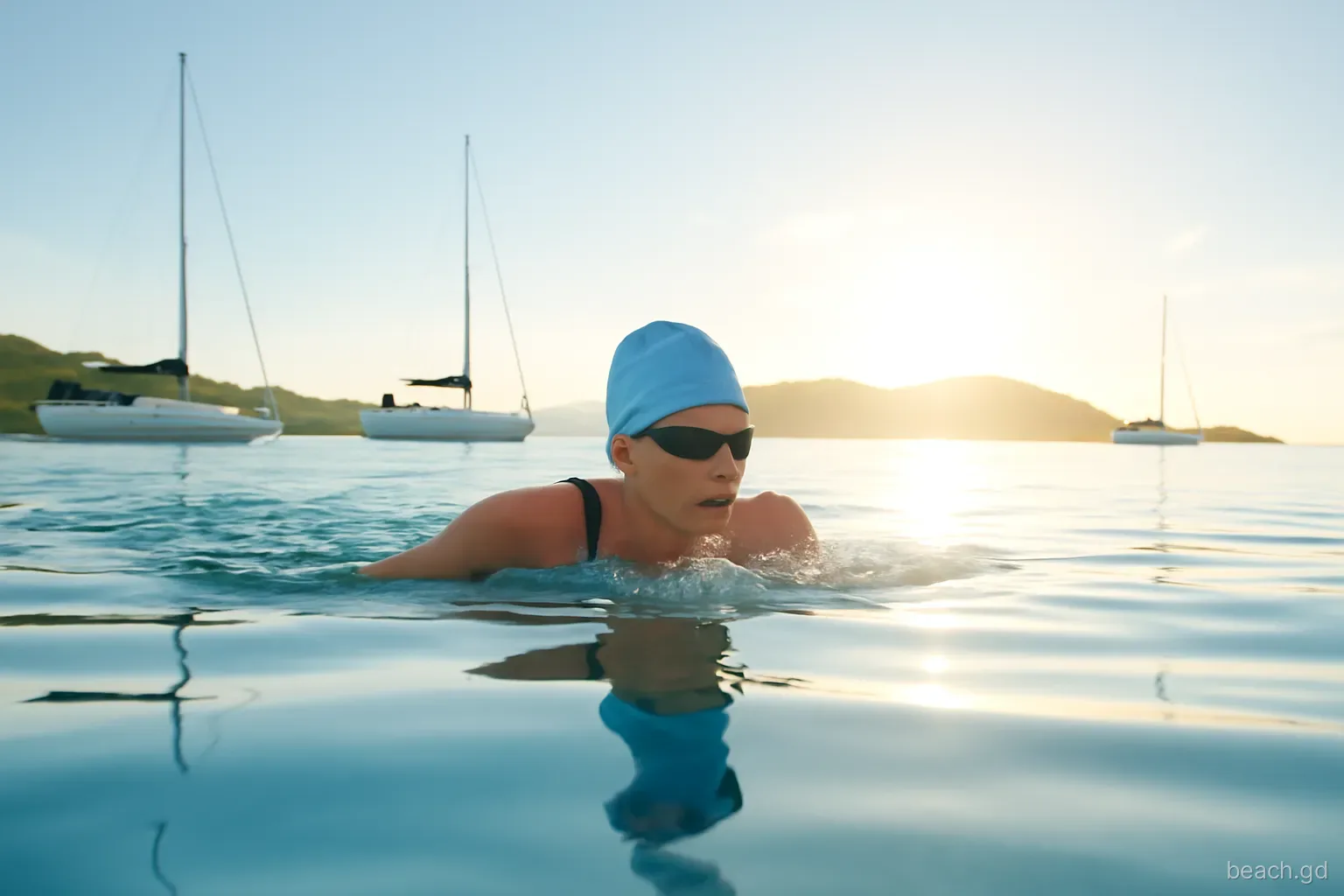
- Swim in the late morning on the leeward side, where the water is calmest.
- Have lunch near the jetty, then a second swim or a rest in the shade.
- Be back at the jetty well before the last boat. Missing it can mean an expensive charter or an unplanned night.
A community first, a beach second
Petite Martinique's character comes from its people. Boatbuilding skills shared with Windward across the channel, fishing, and generations of trading between the islands have shaped a self-reliant community where almost everyone knows everyone. A visitor walking the road is noticed, greeted and often asked where they are from. Return the greeting; a simple good morning or good afternoon matters here.
Dress as you would in any small Caribbean village: swimwear on the sand, covered up on the road and in shops. Ask before photographing people, boats being worked on or homes. Fishermen landing a catch are working, not putting on a show, though many are happy to talk if you are patient.
Buying lunch, drinks and snacks locally puts money directly into an island that has rebuilt almost from scratch since 2024. Bring what you need for swimming, but buy what you can on the island.
What catches visitors out
The mistakes visitors make on Petite Martinique are rarely dramatic. They are mostly about time, cash and expectations, and almost all of them can be avoided with a little preparation on Carriacou the evening before:
- Expecting a resort beach with chairs and bars, and feeling let down by a working shoreline.
- Relying on an outdated ferry timetable and missing the last boat.
- Running out of cash, with no easy way to get more.
- Swimming on the windward side on a breezy day, where waves and current are stronger.
- Swimming near the jetty or among moored boats, where boats come and go without expecting swimmers.
- Leaving rubbish on the shore. The island has limited waste handling, so carry plastic back to Carriacou if you can.
- Treating the visit as a sightseeing tour of storm damage rather than a visit to people's home.
What to pack for the day
Shops on Petite Martinique are small, and what is on the shelves depends on the last boat in. A light day bag covers most needs:
- EC dollars in small notes for boat fares, lunch and drinks.
- Water, more than you think; the road around the island is steep in places and exposed.
- Swimwear, a towel and a cover-up for walking through the village.
- A hat, sunglasses and reef-safe sunscreen.
- Mask and snorkel, as there is nowhere to hire them.
- Reef shoes for rocky entries along the leeward shore.
- A dry bag for the crossing, which can be wet in a stiff breeze.
- Seasickness tablets, taken before boarding if you need them.
- A rubbish bag, so plastic can go back to Carriacou with you.
Choosing your day and season
Petite Martinique sits in the full flow of the trade winds, and the crossing and the windward shore are calmest when the breeze eases. That often happens in the summer months and on settled days between weather systems; the early months of the year, though dry and sunny, bring the strongest winds and the bumpiest crossings. Check the forecast the evening before and ask whether the boats are running normally.
The hurricane season runs from June to November. Boats stop well before a storm arrives, and on an island this small it matters to be on the right side of the channel when they do. Outside storm threats, weekdays are the best time for a quiet visit; weekends bring more local boat movement and family gatherings, which is pleasant to see but makes the jetty area busier.
Frequently asked questions
Does Petite Martinique have good beaches?
It has small sandy stretches with clear water, mostly on the sheltered leeward side, but it is not a beach resort island. There are no loungers or beach bars in the usual sense. Ask residents which bay is calmest on the day, and enjoy the island for its community and views.
How do you get to Petite Martinique?
The Osprey ferry continues from Carriacou to Petite Martinique on scheduled runs, and small boats cross from Windward on Carriacou's north-east coast. Check current times before travelling, especially the last boat back, as schedules have changed since Hurricane Beryl.
Can you visit Petite Martinique as a day trip?
Yes. A day is enough to walk part of the road around the island, swim on the leeward side and have lunch near the jetty. Leave a comfortable margin before the last boat, and carry enough EC dollars for the day.
Is Petite Martinique part of Grenada?
Yes. Grenada, Carriacou and Petite Martinique form one state. Petite St Vincent, visible just across the channel, belongs to St Vincent and the Grenadines, so you cannot simply land there from Petite Martinique without following that country's entry rules.
Was Petite Martinique damaged by Hurricane Beryl?
Very badly. Beryl passed extremely close in July 2024 and most homes were destroyed or damaged, along with power, communications and water supply. Rebuilding has moved quickly in many places, but expect visible work in progress and be sensitive about photographing homes.