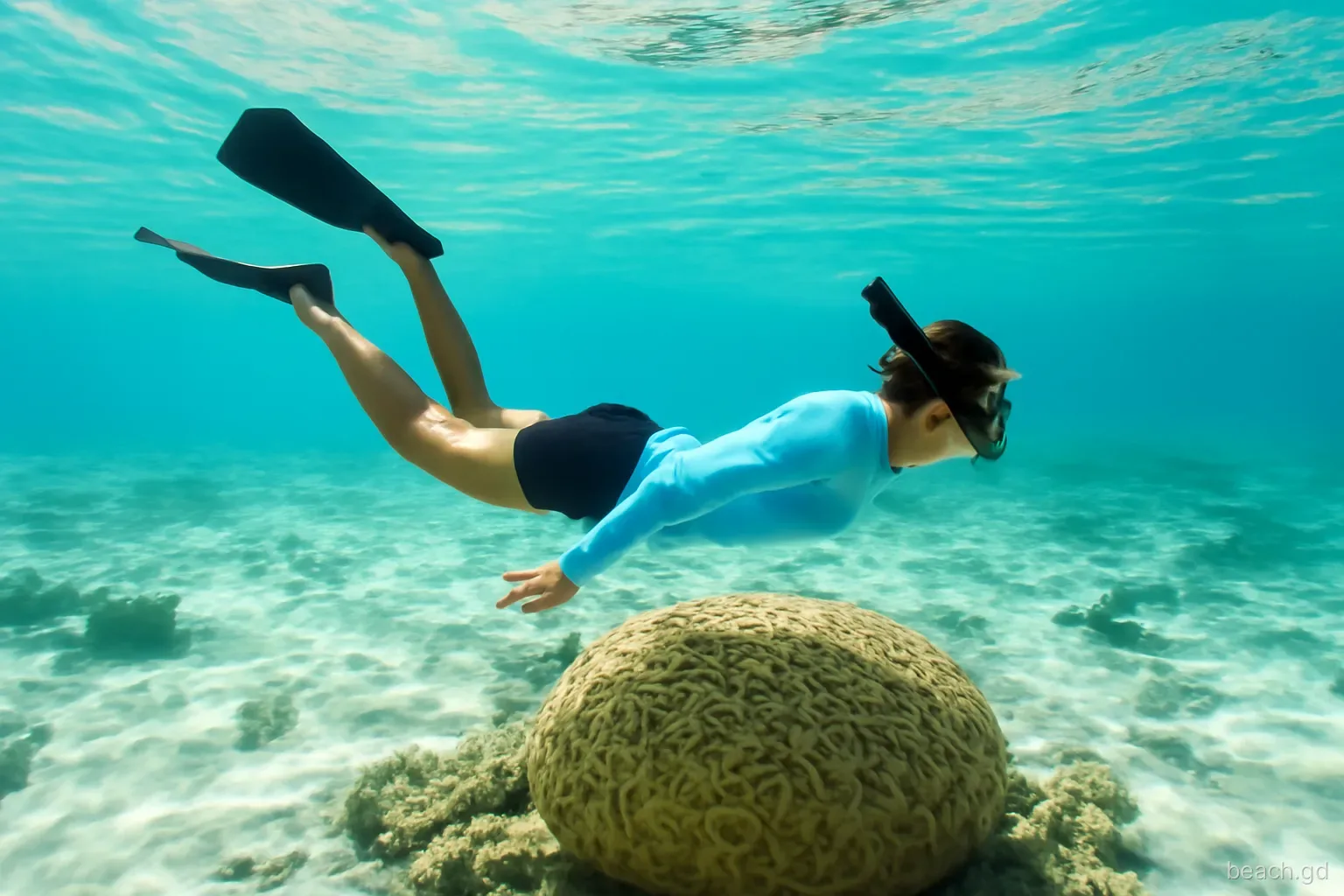
Coral reefs around Grenada and Carriacou have taken a beating from hurricanes, warm-water bleaching and pollution, and much of what remains near shore is fragile. Individual visitors cannot fix ocean warming, but they can avoid adding to the damage, and on popular snorkel sites the effect of thousands of swimmers each year is real.
This checklist covers the practical habits that make a difference: the sunscreen you pack, the way you float, what you do with your hands and feet, where your boat ties up and even what you order for dinner. None of it requires special equipment, and most of it also makes snorkelling more enjoyable.
Sunscreen: what to pack and why
Research has linked certain chemical UV filters, particularly oxybenzone and octinoxate, to harm in corals and other marine life, especially in enclosed bays with many swimmers. Some places have banned them. Regardless of local law, the simplest approach is to choose a mineral sunscreen based on zinc oxide or titanium dioxide and avoid sprays, which drift onto sand and water.
Labels saying "reef safe" or "reef friendly" are not regulated in most countries, so check the ingredients rather than trusting the marketing. Non-nano mineral formulas are often recommended, although the science on particle size is still developing. Apply sunscreen at least 15 to 20 minutes before entering the water so it binds to your skin rather than washing off.
Sunscreen bought in Grenada is mostly imported and can be expensive, and mineral options may be limited in small shops. Pack enough for the whole trip, and remember that the most reef-friendly sunscreen is the one you do not need to use.
Cover up instead
Rash vest or swim shirt. A long-sleeved rash vest protects your back and shoulders, the areas that burn fastest when snorkelling face down, and cuts sunscreen use dramatically.
Leggings or a thin wetsuit. Useful for long snorkels and for divers; they also protect against stinging hydroids and the occasional jellyfish.
Hat and shade on the beach. Spending the hottest hours, roughly 11:00 to 15:00, under trees or an umbrella reduces burning and the need to reapply.
Timing. Snorkelling in the morning is often calmer, clearer and less intense for the sun than at midday.
Children. Sun suits with long sleeves and legs are widely used by Grenadian families for small children, and they make the beach day easier for parents as well as for the reef.
How to float without hurting coral
Most reef damage by snorkellers happens in shallow water, where fins, knees and hands meet coral that is only a metre or so below the surface.
- Stay horizontal. Float flat on the surface and kick gently from the hips; vertical kicking drives fins into the reef.
- Never stand on coral. If you need to adjust a mask, swim to sand or deep water, or use a float.
- Use a flotation vest if you are not confident. Tired swimmers grab whatever is nearby, and that is often coral.
- Keep your hands to yourself. Coral polyps are living animals covered in a thin protective layer; touch damages them.
- Watch your fins near the bottom. Sand stirred up settles on coral and smothers it.
- Divers: control your buoyancy and tuck in dangling gauges and octopus regulators.
- Leave everything where it is. Shells, sea fans, starfish and urchins are part of the reef system, and removing marine life is prohibited in marine protected areas.
Sea urchins, fire coral and other things that bite back
Long-spined black sea urchins sit in crevices in shallow, rocky areas, and stepping on one is a common holiday injury. Water shoes help on rocky entries, and so does looking where you put your feet. The spines break off in the skin; small fragments often work their way out, but deep or numerous spines, signs of infection or spines near a joint need medical attention.
Fire coral, which looks like a smooth mustard-coloured coral, gives a painful sting on contact, as do some hydroids that resemble small feathers. Jellyfish appear occasionally, especially after certain winds. A rash vest and leggings reduce all of these risks, and they also protect the reef from you.
Lionfish, with their striped bodies and long spines, are invasive and venomous. They are slow and easy to avoid, so simply do not touch them. A sting is very painful and needs hot water and medical advice.
Beyond the water: habits on land that reach the reef
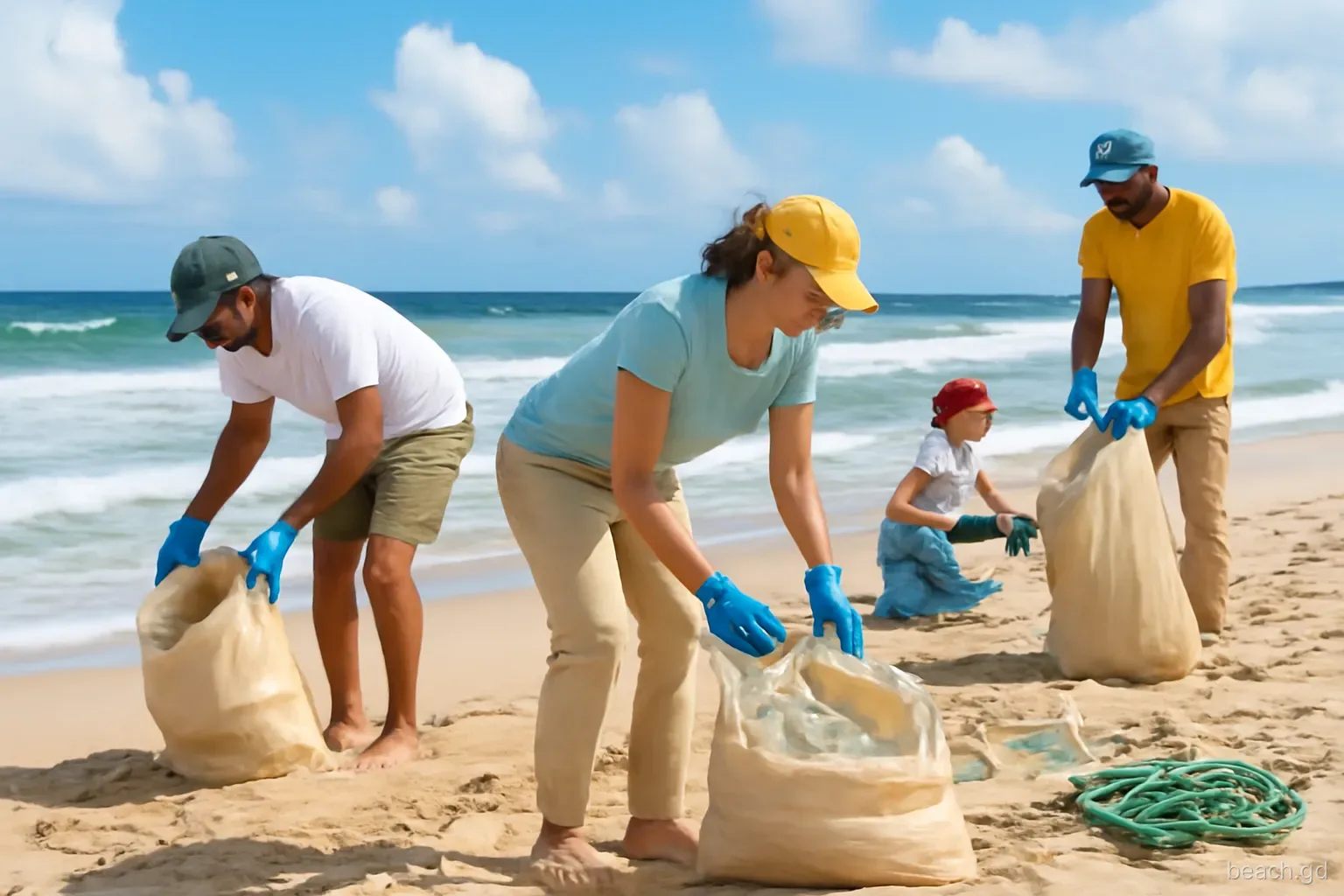
Reefs are affected by what happens on shore. Rubbish dropped on a beach or roadside is carried by rain into drains, gullies and rivers, and then into the sea. Taking all rubbish with you, including cigarette butts and bottle caps, keeps it out of the water.
If you are staying in a villa or apartment, water use matters on an island where rain is the main source of supply and some areas rely on septic systems. Short showers, eco-friendly cleaning products and not pouring oil or chemicals down drains reduce what seeps into coastal waters.
Choosing accommodation and operators that take waste, water and energy seriously also sends a signal. Ask how they handle sewage and rubbish; good businesses are usually happy to explain.
Boats, moorings and how you get to the reef
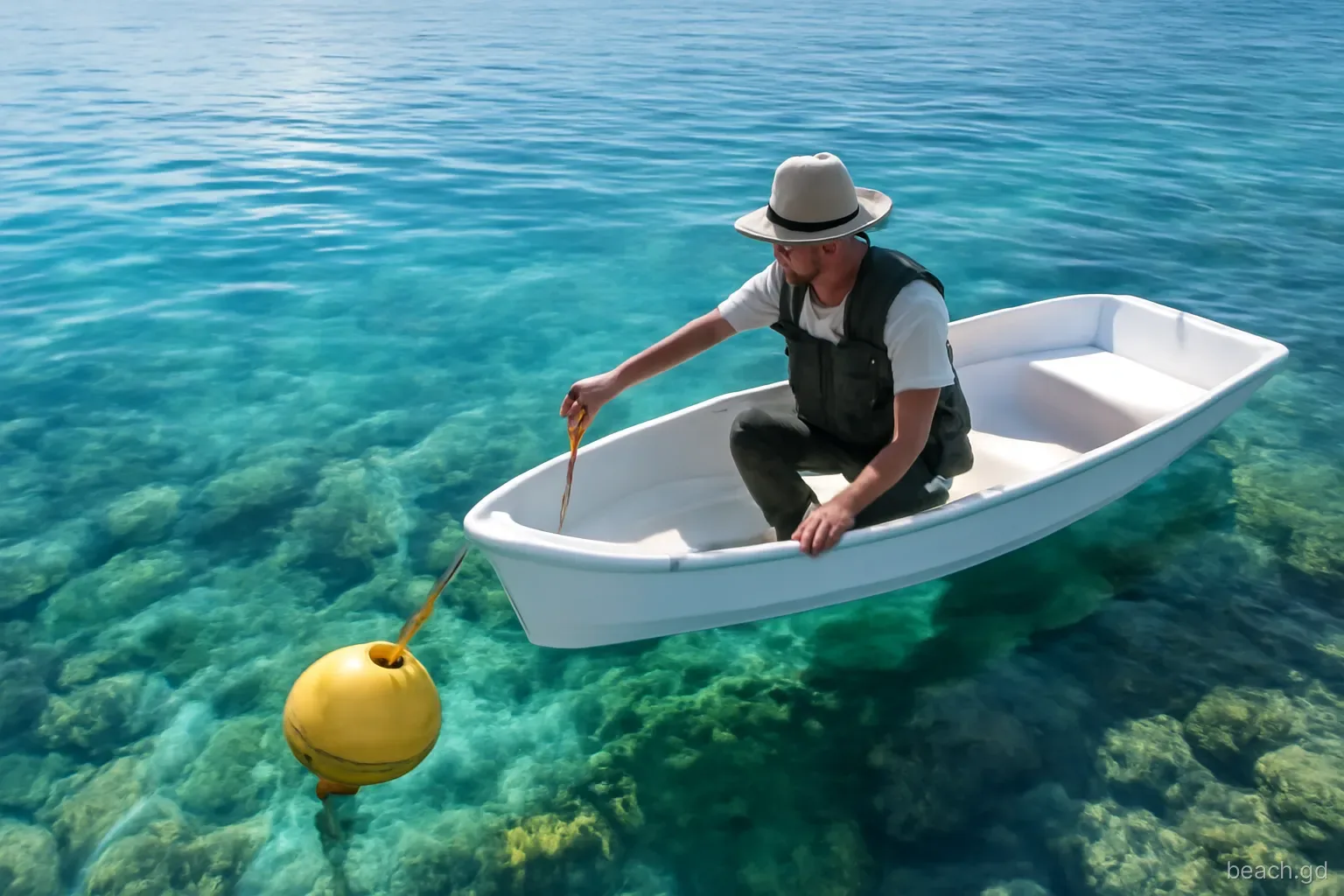
Choose operators that use moorings. In marine protected areas, buoys are provided so boats do not drop anchors and chains on coral. Operators that use them, and that explain why, are usually careful in other ways too.
Go slow in the shallows. Propellers and wash damage seagrass and shallow reefs, and fast boats in bays are a danger to turtles and swimmers.
Skippers: anchor on sand only. If you are sailing, check charts and look before dropping anchor. In clear water, sand patches are easy to see.
Kayaks and paddleboards. Stay in water deep enough that paddles and fins do not strike coral, and do not stand on reef to launch or land.
Waste on board. On yachts and day boats, keep rubbish secured so it cannot blow overboard, and use holding tanks and shore facilities rather than discharging waste near reefs or in bays.
Food choices that help reefs
What you eat on holiday has a small but real connection to the reef you swim over, because local fisheries and reefs are part of the same system.
- Respect closed seasons. Lobster is closed from 1 May to 31 August, and turtles and sea urchins from 1 April to 31 August; avoid fresh lobster in summer.
- Avoid undersized seafood. Very small lobster or conch on a plate suggests they were taken before they could breed.
- Order lionfish when it is offered. Eating this invasive species helps reduce pressure on native reef fish.
- Consider skipping parrotfish. Many conservationists encourage diners to avoid it because parrotfish graze algae that would otherwise smother coral.
- Choose pelagic fish. Tuna, mahi-mahi and kingfish are caught offshore rather than on reefs.
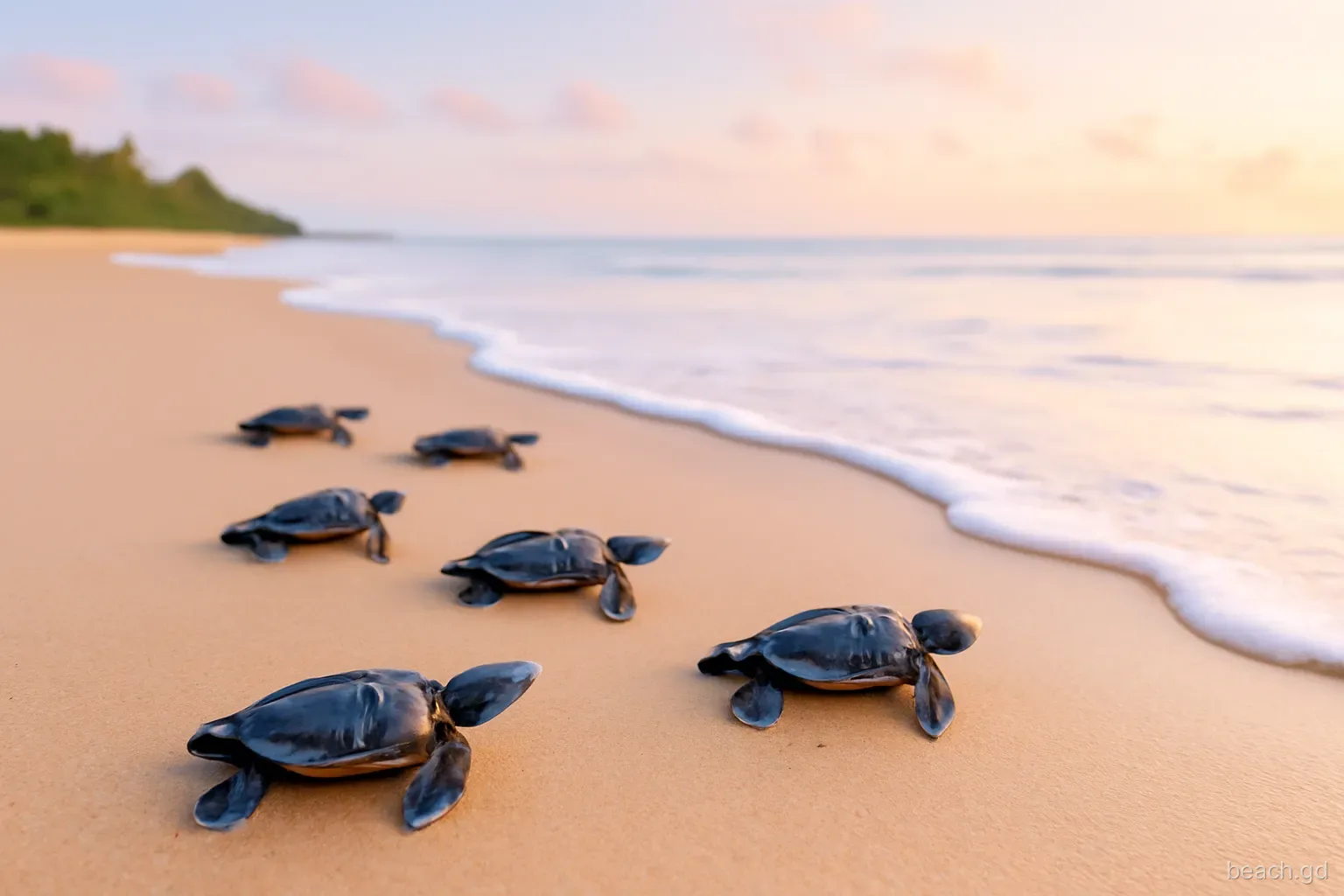
- Skip turtle meat and turtle products. Turtles are slow to mature and face many threats.
Mistakes well-meaning visitors make
These habits are common among people who care about reefs but have not thought through the details. Each one is easy to change, and dive guides in Grenada see all of them regularly, often from guests who have just told them how much they love the ocean.
- Spraying sunscreen on the beach, coating sand and water.
- Applying sunscreen and jumping in immediately, so it washes off into the sea.
- Standing on a "dead-looking" patch that is actually living coral or algae-covered reef.
- Taking a single shell or piece of coral as a souvenir; multiplied by thousands of visitors, it adds up.
- Feeding fish with bread or snacks to attract them for photos.
- Leaving bottle caps, cigarette butts and food wrappers in the sand, where wind and waves carry them into the water.
Frequently asked questions
Does Grenada ban certain sunscreens?
Rules can change, so check current guidance before you travel. Regardless of the law, using a mineral sunscreen based on zinc oxide or titanium dioxide, avoiding sprays and covering up with a rash vest is the reef-friendly approach recommended by many marine scientists and dive operators in Grenada.
Is it safe to touch coral if it looks dead?
No. Coral that looks dull may still be alive, or may be covered in algae and young corals beginning to settle. Touching any reef can damage living tissue and introduce bacteria. Keep hands off, and if you need a rest, swim to sand or deep water.
What should you do if you step on a sea urchin?
Get out of the water and remove any spines that are easy to grasp. Clean the area well. Small fragments often work their way out, but deep or numerous spines, spines near joints, increasing pain or signs of infection need medical attention at a clinic or hospital.
Is reef-safe sunscreen available in Grenada?
Some pharmacies, supermarkets and dive shops stock mineral sunscreens, but choice is limited and prices are higher than in North America or Europe. Bring enough for your trip, and check ingredient lists rather than relying on "reef safe" labels, which are not regulated.
Why are parrotfish important for reefs?
Parrotfish graze algae from coral and rock, keeping space clear for corals to grow and settle. Where parrotfish are heavily fished, algae can take over damaged reefs. Many conservationists therefore encourage visitors to choose other fish, such as tuna or mahi-mahi.