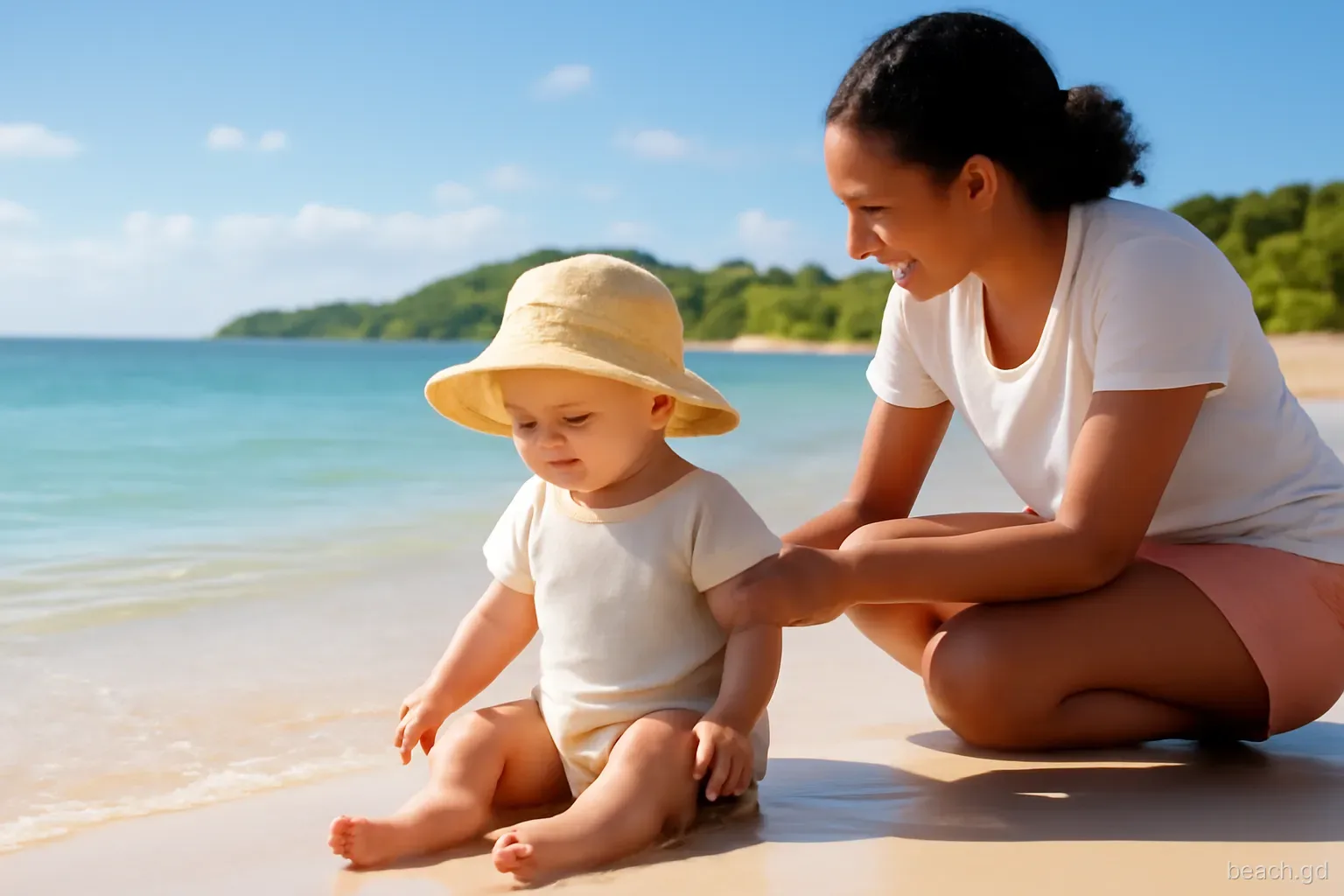
Ask which is the best family beach in Grenada and the honest answer is another question: how old are the children? A beach that suits a crawling baby, with water that barely moves and shade within a few steps, can bore a twelve-year-old in an hour. The rocky end of a bay full of fish that thrills a ten-year-old snorkeller is a constant worry with a toddler who runs at everything.
The good news is that Grenada's sheltered Caribbean-side beaches offer gentle water for every age, and the island is small enough that you can change beaches as the children change their minds. This guide matches beaches to life stages, from first dips to teenagers who want something to do, with the details that matter at each age: water depth, shade, toilets, food and how far you will be carrying everything from the car.
Babies under one: shade first, water second
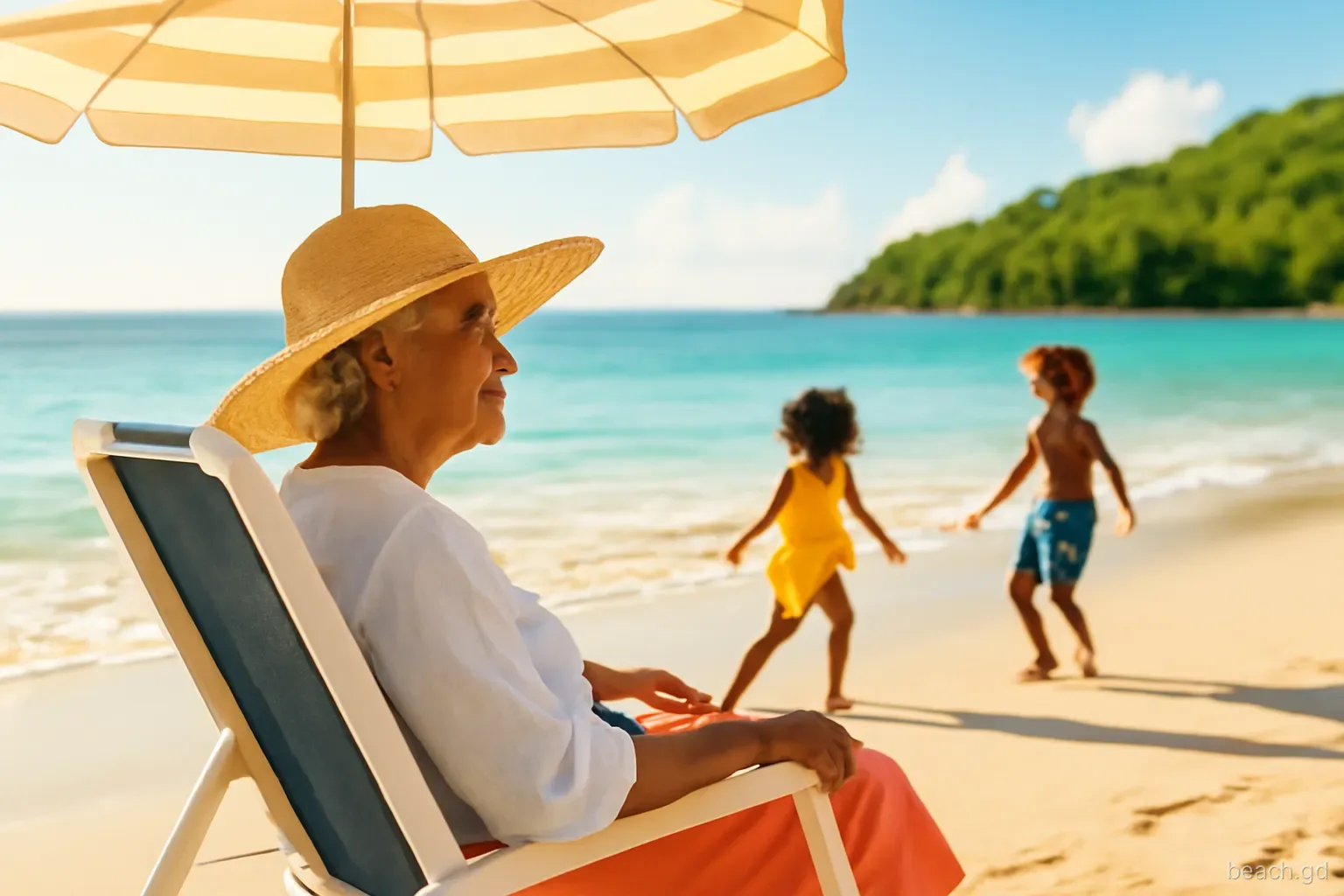
For babies, the beach is mostly about a shady spot, a gentle breeze and short dips in warm, still water. The priority is a beach where you can sit within a few steps of calm shallows without a long walk over hot sand, and with a toilet or changing space not far away. Hotel and beach-bar stretches suit this stage well because you can buy a drink in exchange for a table in the shade.
Morne Rouge, known to many as BBC Beach, is a natural choice: a small, sheltered crescent south of Grand Anse with very calm, clear water and a few bars along the sand. Grand Anse itself works too, especially the stretches in front of hotels and bars where there are trees and somewhere to sit. Arrive early, because babies cope best with the morning hours, and plan to be back in the shade by late morning.
Babies under six months should be kept out of direct sun entirely rather than relying on sunscreen, so bring a sun tent or a large umbrella and a light muslin. The sea in Grenada is warm all year, typically in the high 20s Celsius, so short dips are comfortable, but watch for babies overheating on land more than chilling in the water.
Toddlers and preschoolers: flat water, soft sand, no steep drop
Look for a gentle slope. Toddlers walk straight in, so you want a beach where the water stays ankle to knee deep for several metres. Morne Rouge and much of Grand Anse shelve gently in normal conditions. Some beaches drop off quickly after the first step; test the slope yourself before letting a toddler wade.
Calm beats scenic. A spectacular Atlantic beach with surf is the wrong beach at this age. Stick to the leeward and south-coast bays, and save the windward coast for a pool-style swim inside the reef at Bathway with an adult in the water.
Sand and shade together. Toddlers will dig for hours. Choose a spot where the umbrella and the sandcastle zone are the same place, so the adult on duty is sitting in shade while watching.
Short sessions. Two hours in the morning and an hour in the late afternoon beats a full day for most under-fives. The midday heat makes small children cranky long before it makes them ill.
Paradise Beach in Carriacou. If you are visiting Carriacou, Paradise Beach at L'Esterre is one of the calmest, shallowest family beaches in the country. Hurricane Beryl caused heavy damage in July 2024, so check which facilities have reopened before you go.
School-age children: rock pools, fish and a bit of adventure
From about six to eleven, children want more than flat water. They want things to find: crabs in rock pools, fish around the rocks at the ends of a bay, shells, and somewhere to jump in. This is the stage when snorkelling becomes possible and the beach becomes an expedition rather than a sandpit.
Grand Anse remains useful because of its length; the ends of the beach and the headland between Grand Anse and Morne Rouge have rocks with fish, while the middle offers easy swimming. La Sagesse in St David, a sheltered bay on the south-east coast, adds a different landscape, with a salt pond and mangroves behind the beach that make for a short nature walk. On the west coast, Grand Mal offers calm water and a working fishing beach where children can watch boats come in.
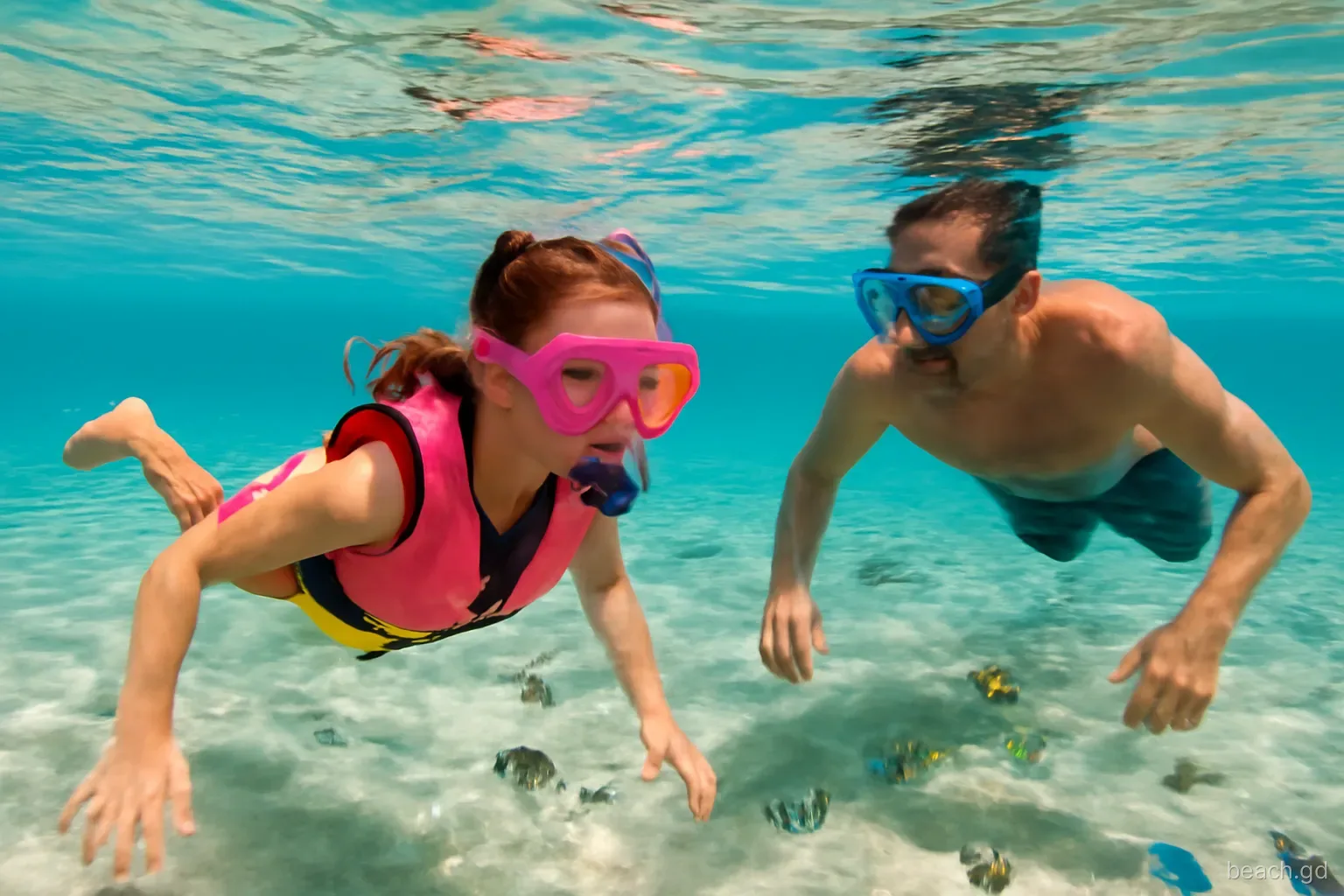
Give school-age children water shoes for the rocky bits and a mask that fits, and teach them the basic rules early: look but don't touch on the reef, shuffle feet in sandy shallows, and never swim out of sight of the adult on watch.
Teens: give them something to do
Teenagers judge a beach by whether there is anything happening. Grenada does well here if you plan a little. Options worth considering:
- Guided snorkelling trips to the Molinière-Beauséjour Marine Protected Area, home of the underwater sculpture park, where several pieces sit in water shallow enough to see from the surface.
- A first scuba experience with a certified dive operator; many offer try-dive programmes for children from about ten, depending on the agency rules.
- Kayaks and paddleboards, which some hotels and water-sports operators rent on Grand Anse and the south coast.
- A day on the Atlantic coast at Bathway, combined with the cocoa estate at Belmont or the old waterwheel distillery at River Antoine, to see a different side of the island.
- A boat day out of Carriacou to Sandy Island or White Island, which feels like a proper adventure to most teenagers.
- Fish Friday in Gouyave, a lively Friday-evening street food event that pairs well with an afternoon on the west coast beaches.
Mixed ages: how to keep everyone happy
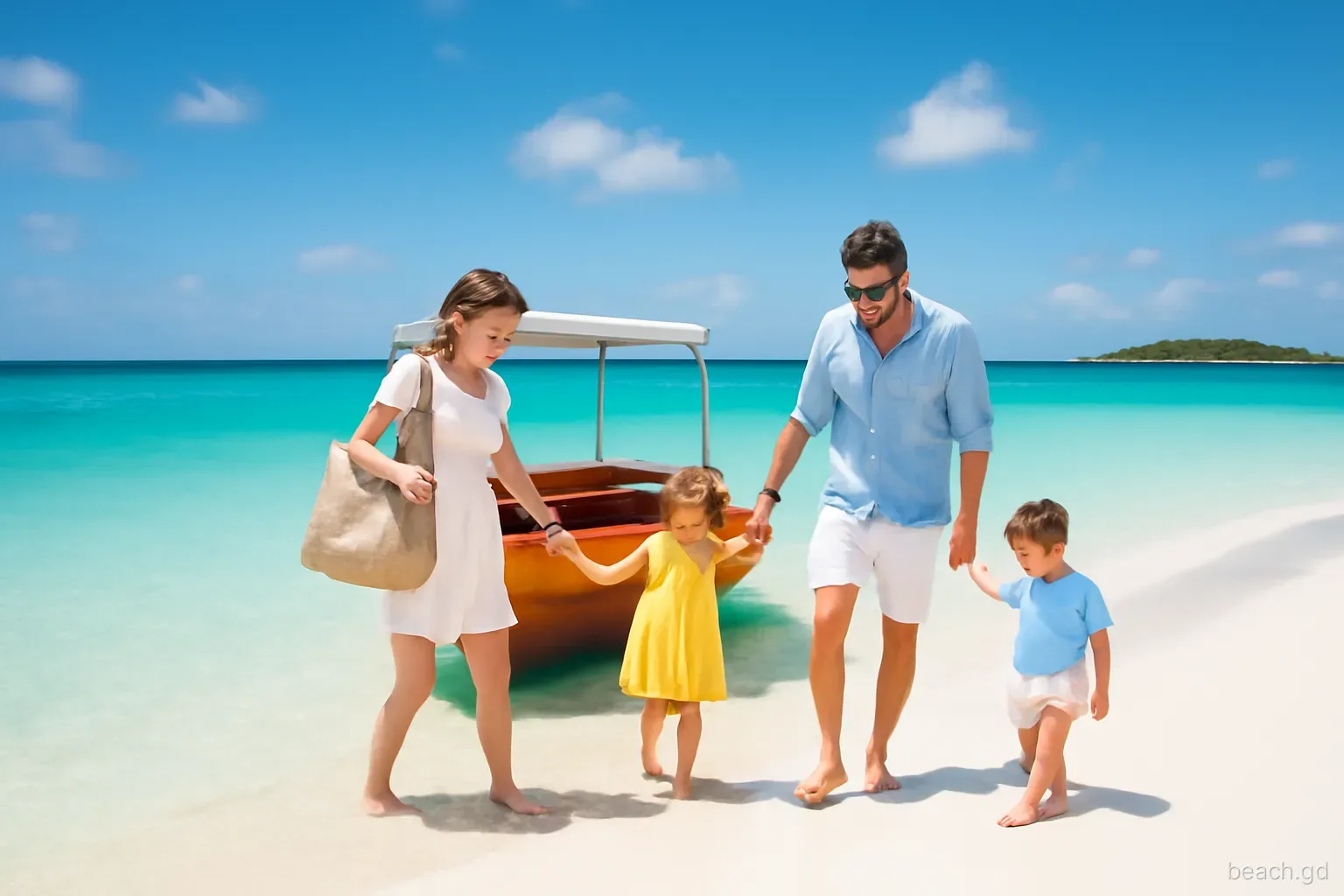
Most families have more than one age group, which means compromise. The simplest approach is to pick a long beach with variety in one place. Grand Anse does this better than anywhere: calm shallows for the youngest, rocks and snorkelling at the ends, vendors and food, and water taxis or shops within reach if someone needs a change of scene.
Split days help too. One adult takes the older children on a snorkelling trip or to a more adventurous beach while the other stays with the toddler at a calm, shaded spot, then swap. On Carriacou, Paradise Beach and a water taxi across to Sandy Island make a similar pairing.
The mistake to avoid is dragging the whole family to the most photogenic beach on the island when it suits nobody. An empty Atlantic cove with surf, no shade and a steep path down might be beautiful, but it is a long day for a three-year-old and a nervous one for the parents. Choose beaches for the youngest swimmer, and add excursions for the oldest.
Toilets, changing and feeding: the practical bits
Public toilets are not something to count on at Grenada's beaches. On the busier stretches, the realistic options are the toilets of beach bars, restaurants and hotels, which are generally happy to let families use them if you buy a drink or a meal. At quieter beaches there may be nothing at all, so plan nappy changes and toilet stops around the bar where you eat lunch, and bring a portable changing mat and plenty of wipes.
Breastfeeding in a shaded corner of the beach is unremarkable, though Grenada is a fairly conservative, church-going society, and a light wrap keeps things comfortable for everyone. For bottle-fed babies, bring boiled or bottled water in a flask, as beach bars cannot always provide it.
Food for fussy eaters is easier than many parents fear. Beach bars commonly offer chips, chicken, fish and rice, and vendors sell fresh coconut water and cut fruit. Older children often take to Grenadian favourites such as a chicken roti or bakes and saltfish. For toddlers, a cool box with familiar snacks from a supermarket remains the safest bet, especially at beaches outside the St George's and Grand Anse area where choice is limited.
Frequently asked questions
Which Grenada beach is best for toddlers?
Morne Rouge, also called BBC Beach, is often the easiest for toddlers thanks to its small, sheltered bay and calm, shallow water. Grand Anse is a good alternative with more space and facilities. Paradise Beach is the gentle choice in Carriacou. Always check conditions on the day.
Is the sea warm enough for babies in Grenada?
Yes. Sea temperatures around Grenada sit in the high 20s Celsius all year, warm enough for short dips with a baby. The bigger concern is sun and heat on land, so keep babies in shade, limit time in the midday sun and offer frequent feeds.
Are Grenada beaches safe for young children?
The sheltered Caribbean-side beaches are generally calm and suitable for young children, though most have no lifeguard, so constant adult supervision is essential. Avoid Atlantic beaches with surf, check for rocks and urchins, and keep inflatables in shallow water on calm days.
What age can children start snorkelling in Grenada?
Many children are comfortable snorkelling from about six or seven, once they are confident in water and happy with their face in. Start in calm, shallow water from a sandy beach, use a well-fitting child mask and a buoyancy vest, and stay alongside them throughout.
Is there anything for teenagers on Grenada beaches?
Yes. Teenagers can try guided snorkelling at the underwater sculpture park, introductory scuba with a certified operator, kayaking and paddleboarding, or boat trips around Carriacou's islets. Combining a beach with Fish Friday in Gouyave or an estate visit keeps the day varied.