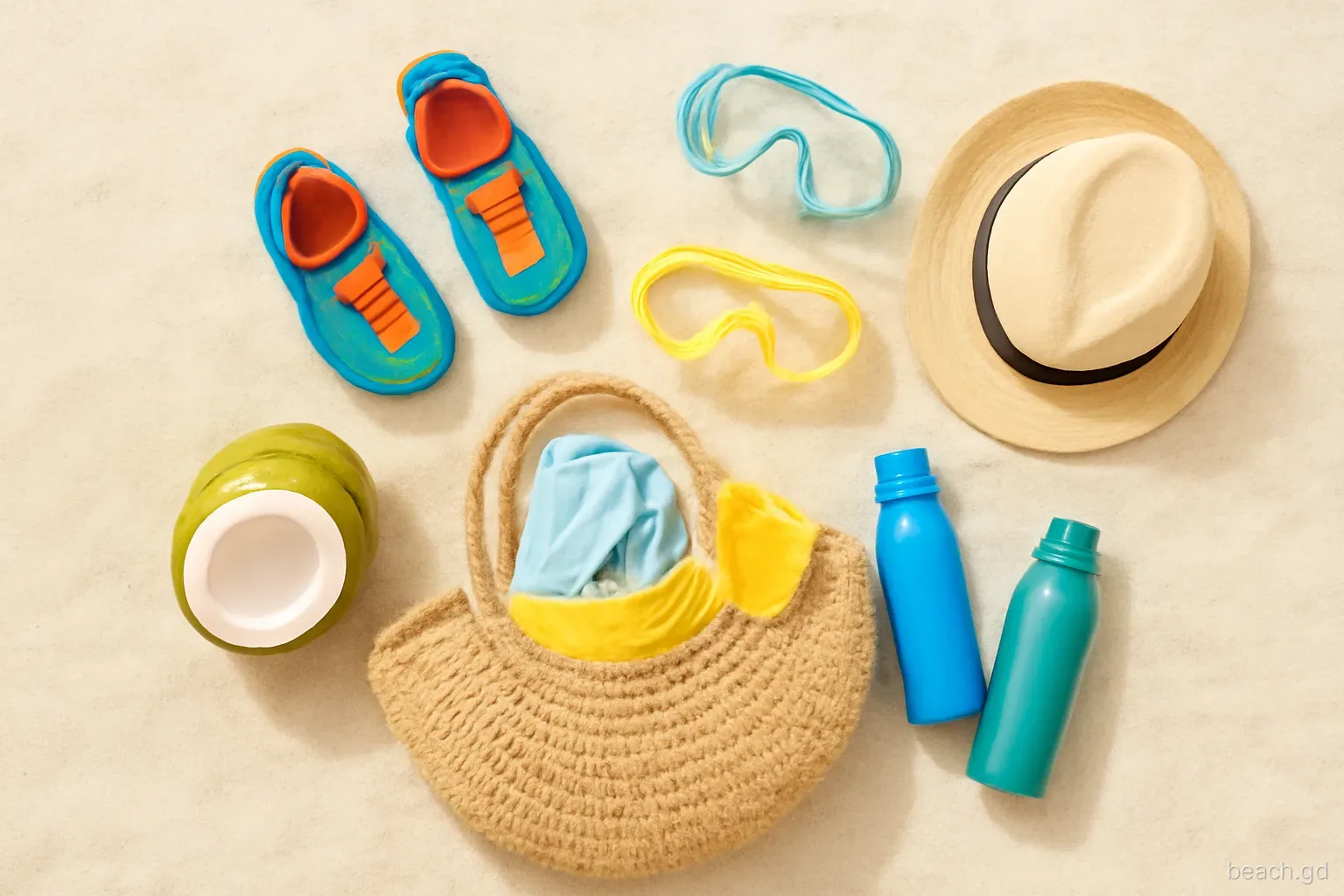
A family beach day in Grenada is easy until you realise, forty minutes up a winding road to the east coast, that the sun hats are still on the balcony and the beach bar only takes cash. The island's best family beaches are often a drive from the nearest shop, and even on Grand Anse the supermarket is on the other side of a busy road from the sand.
This list is built around how Grenada actually works: strong sun all year, beaches without guaranteed shade or toilets, cash-friendly vendors, warm water that tempts children in for hours and rocks that need proper footwear. Pack once, keep the bag by the door, and top it up each evening.
Sun and shade
The sun at this latitude is the main reason family beach days go wrong. Pack for shade first:
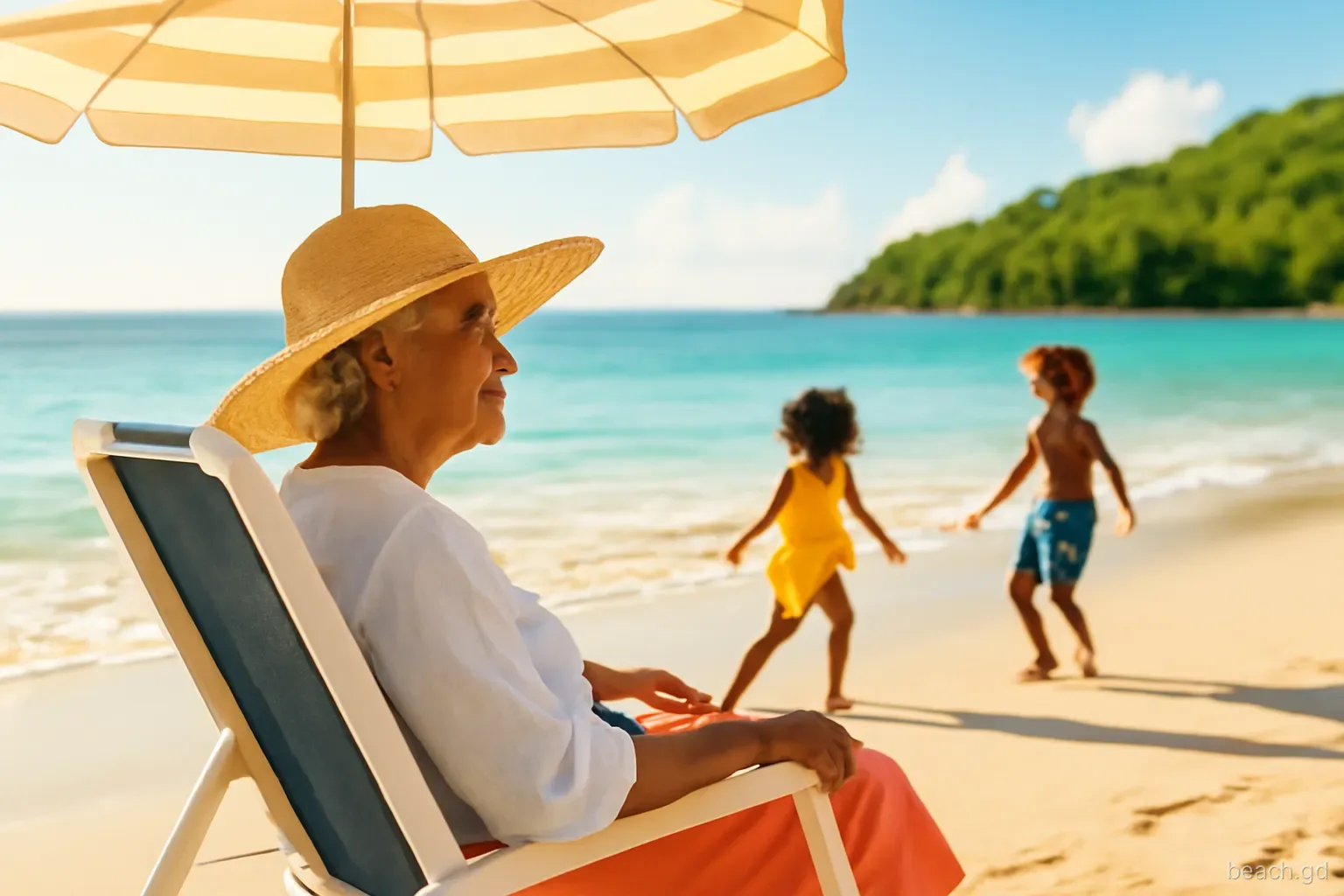
- A beach umbrella or pop-up sun shelter. Many beaches have some trees, but the good shade goes early and some coves have almost none. A shelter with a floor suits babies.
- Long-sleeved UV swim tops or rash vests for children, ideally with legs or swim shorts to the knee for long snorkelling sessions.
- Wide-brimmed hats with chin straps, because the trade wind takes hats off heads and into the sea.
- Broad-spectrum SPF 30 or higher sunscreen, preferably a mineral formula kinder to reefs, plus a stick sunscreen for faces that little ones tolerate better than lotion.
- Sunglasses for adults and older children; the glare off pale sand and water is intense.
- A light muslin or cotton wrap to drape over a baby carrier or buggy.
- After-sun or aloe vera gel for the evening.
Feet, water and safety
Grenada's beaches are soft sand in the middle and rock at the edges, where children always want to go:
- Water shoes or reef booties for everyone, for rocky entries, rock pools and protection against sea urchin spines.
- Sandals or flip-flops for walking on hot sand; midday sand can be painful on small feet.
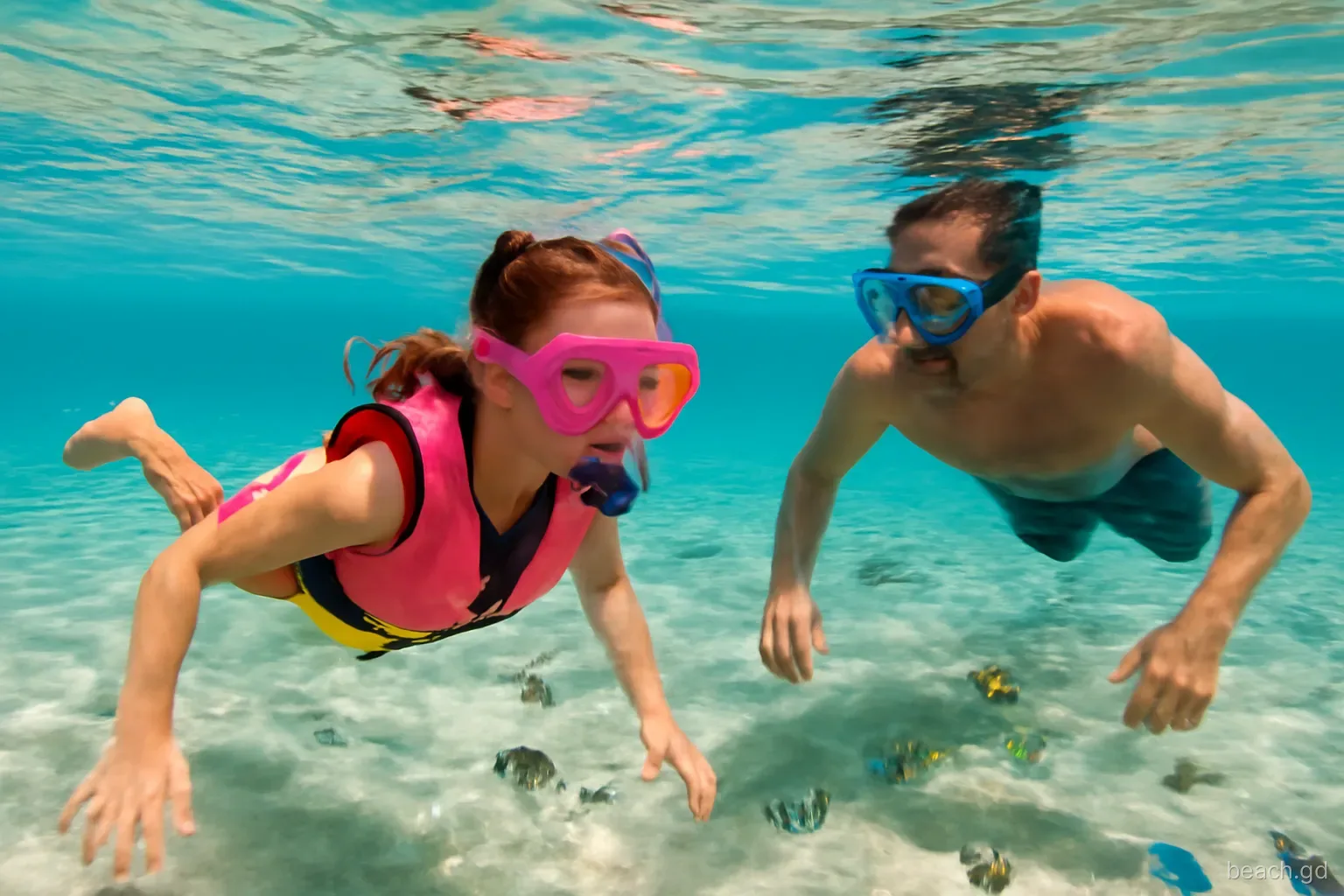
- Child-sized snorkel masks that fit properly. Test them in the bath or pool beforehand; a leaking mask ends a first snorkel quickly.
- A properly fitted buoyancy vest or swim jacket for weaker swimmers. Armbands are fine in a pool but are not a substitute in the sea.
- A small first-aid pouch with plasters, antiseptic wipes, tweezers, a bottle of vinegar, antihistamine and children's pain relief.
- A whistle on a lanyard for the adult on water-watch duty, which carries much further than a shout across a beach.
- Bright, distinctive swimwear or hats for young children, which makes them easier to spot in a crowd or in the water.
Food, drink and the cool box
Drinking water is the most important thing in the bag. Bring more than you think you need, at least a litre and a half per person for a half-day, and keep it in the shade. Tap water is treated in much of Grenada, but many visitors prefer bottled or filtered water, and on a remote beach there may be nothing for sale at all. Reusable insulated bottles keep water cool for hours.
A cool box is worth having. Fill it at a supermarket on the way, which also lets you stock up on local fruit in season: bananas, mangoes, golden apples, and in some months plums and sapodillas. Pack savoury snacks for children who have been swimming for hours and are suddenly ravenous. On busier beaches you can buy food too: vendors sell fresh coconut water, cut fruit and snacks, and beach bars serve fish, chicken, roti and chips.
Take a bag for rubbish and carry it out with you. Bins are not provided on every beach and stray dogs and the wind scatter whatever is left behind, so leave the sand cleaner than you found it.
Money and documents
Cash in Eastern Caribbean dollars. Vendors, chair rentals, small beach bars and route buses work mostly in cash. EC dollars are best; US dollars are widely accepted in tourist areas, usually at a rate close to the fixed EC$2.70 to US$1 peg, but change comes back in EC dollars. Carry small notes.
A card for bigger spends. Hotels, restaurants and many beach bars on Grand Anse take cards, but smaller places may not, and card machines can be offline. Do not rely on a card at a rural beach.
Copies, not originals. Leave passports in the hotel safe and carry a photo of each on your phone. Bring a driving permit if you are driving: visitors need a local permit, available through car rental firms and the police, and should check the current rules.
A dry bag. A roll-top dry bag keeps phones, cash and car keys safe from splashes, sand and sudden showers, and floats if it ends up in the water.
Insurance details. A note of your travel insurance number and the nearest hospital on your phone takes seconds and saves stress in an emergency.
Comfort and fun
The extras that keep children happy for a whole session, and adults comfortable while watching them:
- Bucket and spade, or a cheap set bought locally; plastic is lighter than metal and fine for Grenada's soft sand.
- Two towels per child: one for drying, one for lying on, because wet towels and sand do not mix.
- Dry clothes for the journey home, including a spare swimsuit for anyone prone to rashes.
- A large bottle of fresh water for rinsing sand off feet and salt out of eyes before getting into the car.
- A lightweight beach mat that sheds sand, which beats a towel for a picnic.
- A waterproof bag for wet swimwear.
- A small book, cards or a ball for the hour when the sea is less interesting than the snacks.
- Mosquito repellent if staying into dusk, especially near mangroves, salt ponds or after rain, when sandflies and mosquitoes become active.
What to leave behind and common packing mistakes
Leave valuables at your accommodation. Petty theft from beaches and parked cars happens in Grenada as anywhere, and a family watching children in the sea cannot also watch a bag of electronics. Do not leave anything visible in a parked car, especially at quiet beaches with roadside parking.
The mistakes are familiar. Families pack sunscreen but no shade and spend the afternoon chasing a disappearing patch of tree cover. They rely on finding food at a beach that turns out to have no vendor that day, or bring only US$50 notes to a beach bar that cannot change them. They bring inflatables but no pump, or masks that have never been tested on the child's face.
One more: forgetting that Grenada's afternoon showers can arrive quickly. A light rain jacket or a large umbrella doubles as rain shelter, and a quick downpour is often over in fifteen minutes, so there is no need to pack up and leave at the first drops.
Extra items for boat days and Carriacou
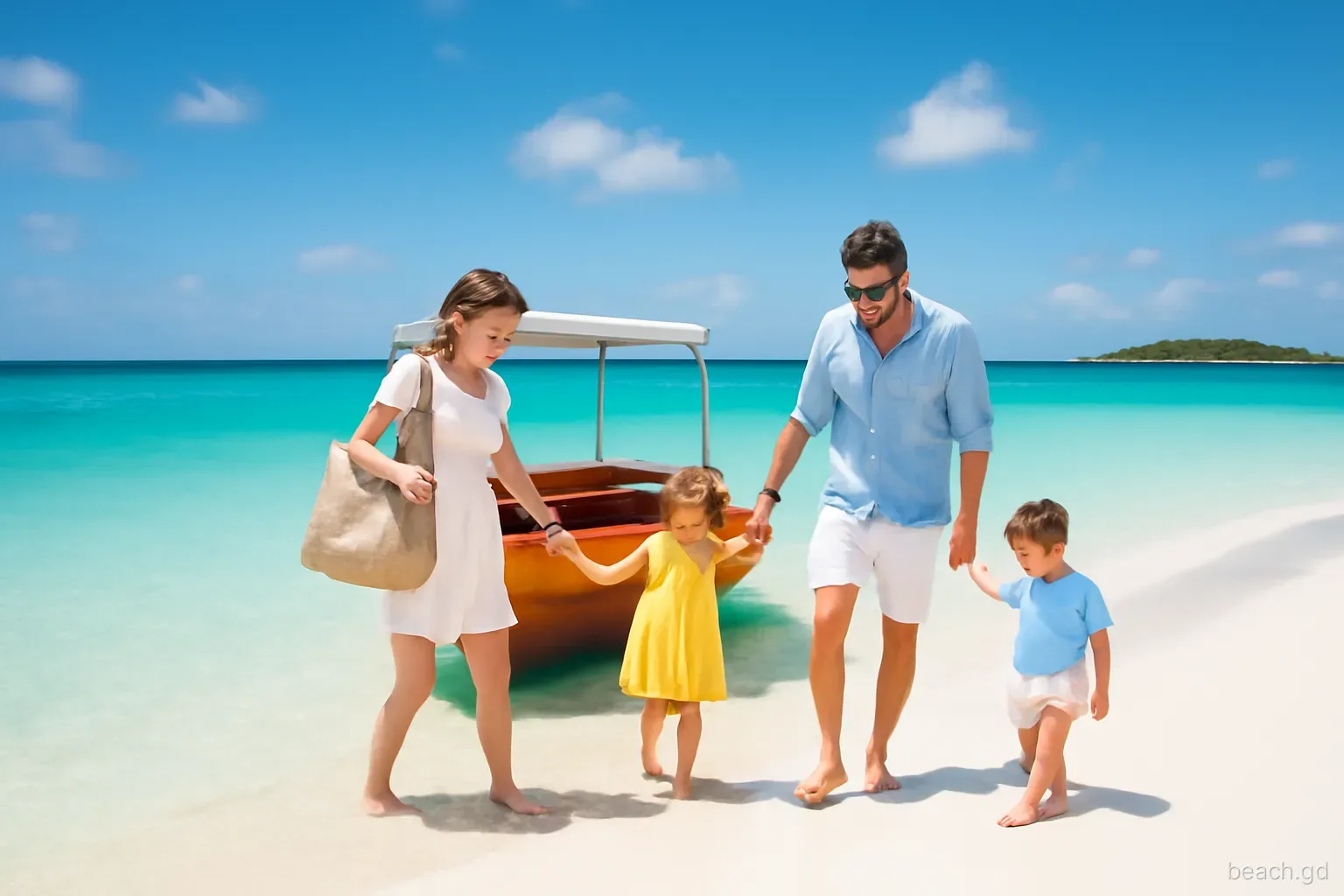
Boat trips change the packing list. On a day trip to Sandy Island off Carriacou, a catamaran sail along the west coast or a water taxi to a snorkelling spot, there is often no shade, nowhere to buy anything and limited space for bags. Pack light and compact: one dry bag per family with phones, cash, sunscreen and a small first-aid kit, plus a separate bag for towels and clothes that can get wet.
Bring motion-sickness remedies for anyone prone to seasickness, taken before boarding rather than once the boat starts rolling, and check that the skipper has life jackets in children's sizes. If not, a family that travels by boat regularly may want to bring its own. Water and snacks matter even more on small islets, which generally have no shops.
For the ferry between Grenada and Carriacou, a crossing of around two hours on open water, keep children on the shaded, more stable lower deck if they are queasy, and pack a change of clothes for spray. On Carriacou itself, shops are fewer than on the mainland, so stock up on familiar baby supplies before you leave Grenada.
Frequently asked questions
Do you need cash at Grenada beaches?
Yes, it helps. Vendors, chair and umbrella rentals, small beach bars and route buses usually take cash, preferably Eastern Caribbean dollars in small notes. US dollars are often accepted in tourist areas, but change is given in EC dollars. Larger hotels and restaurants accept cards.
Can you buy beach gear in Grenada?
Yes. Supermarkets, pharmacies and shops in Grand Anse and St George's sell sunscreen, buckets, inflatables, snorkel sets and towels. Choice is narrower and imported goods cost more than in North America or Europe, so bring specialist items, such as well-fitting children's masks, from home.
Are water shoes necessary in Grenada?
They are not needed on the soft sand in the middle of most beaches, but they are very useful for rocky entries, rock pools and reef flats, where sea urchins and sharp coral live. Children exploring the edges of a bay should wear them. They also help on hot sand.
Is tap water safe to drink in Grenada?
Mains water in much of Grenada is treated, and many residents drink it, but quality can vary, particularly after heavy rain or storms. Visitors often prefer bottled or filtered water. For beach days, carry plenty of water from your accommodation or a supermarket.
What should you not bring to the beach in Grenada?
Leave passports, expensive jewellery and unnecessary electronics at your accommodation, and avoid leaving anything visible in parked cars. Glass bottles are best avoided on the sand, and sunscreens with oxybenzone or octinoxate are better swapped for mineral formulas that are kinder to reefs.