Most descriptions of Grand Anse stop at the obvious: two miles of pale sand, calm water, hotels and sunsets. All true. But anyone who swims there regularly knows a set of smaller details that make the difference between a pleasant day and a slightly frustrating one, from where the water is clearest to why the beach looks narrower some months than others.
This is that list. None of it is dramatic, and none of it should put you off one of the best town beaches in the Caribbean. It simply fills in what glossy descriptions leave out, so you arrive knowing how the beach works rather than learning it on the sand. It is aimed at first-time visitors and new residents alike.
The beach changes shape
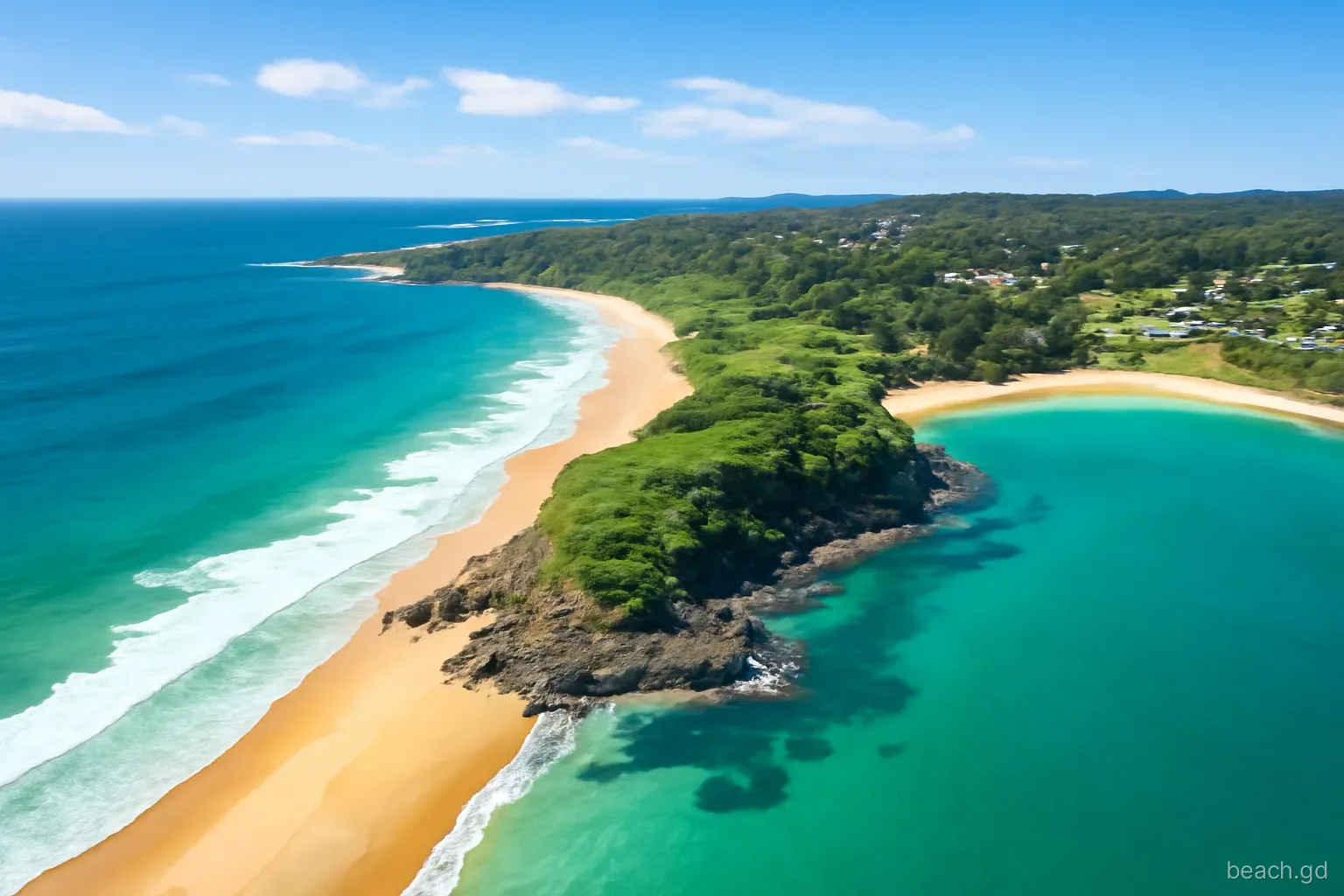
Grand Anse is not a fixed strip of sand. Wave action moves sand along and off the beach, and the width you see changes with the season and after storms. After a spell of winter ground swell or a passing tropical system, some stretches can lose sand for weeks, leaving tree roots exposed and only a narrow band between the vegetation and the water. Calm months usually bring much of it back.
Coastal erosion is a long-running concern along this coast, and it is one reason removing sand from beaches is restricted in Grenada. For visitors the practical effect is simple: the stretch in front of a particular hotel may be wide one year and narrow the next. If a beachfront room matters to you, recent photographs are more useful than old brochures.
Sea temperature, by contrast, barely changes: it sits in the high twenties Celsius all year, a little cooler in February and warmest around September and October.
How the vendors actually work
Many are licensed and long-established. The Grand Anse Craft and Spice Market at the northern end gathers vendors in fixed stalls selling spices, crafts, jewellery, leather goods and hair braiding. On the sand, other vendors sell fruit, coconuts, aloe, jewellery and massages.
A polite refusal is respected. A clear, friendly "no, thank you" works better than ignoring someone. Most vendors move on immediately. Saying "maybe later" invites a return visit.
Agree prices first. For massages, hair braiding, boat trips and chairs, settle the price, the currency and what is included before anything starts.
Cash is king. Small vendors deal in cash. EC dollars get you the cleanest price; US dollars are accepted but change comes back in EC.
It is their livelihood. Buying a coconut or a bag of spices directly from a vendor puts money straight into a local household, which is one of the better ways to spend on a beach day.
The water has traffic lanes
Grand Anse is a working bay as well as a swimming beach, and the boat traffic is the thing first-time visitors most often underestimate:
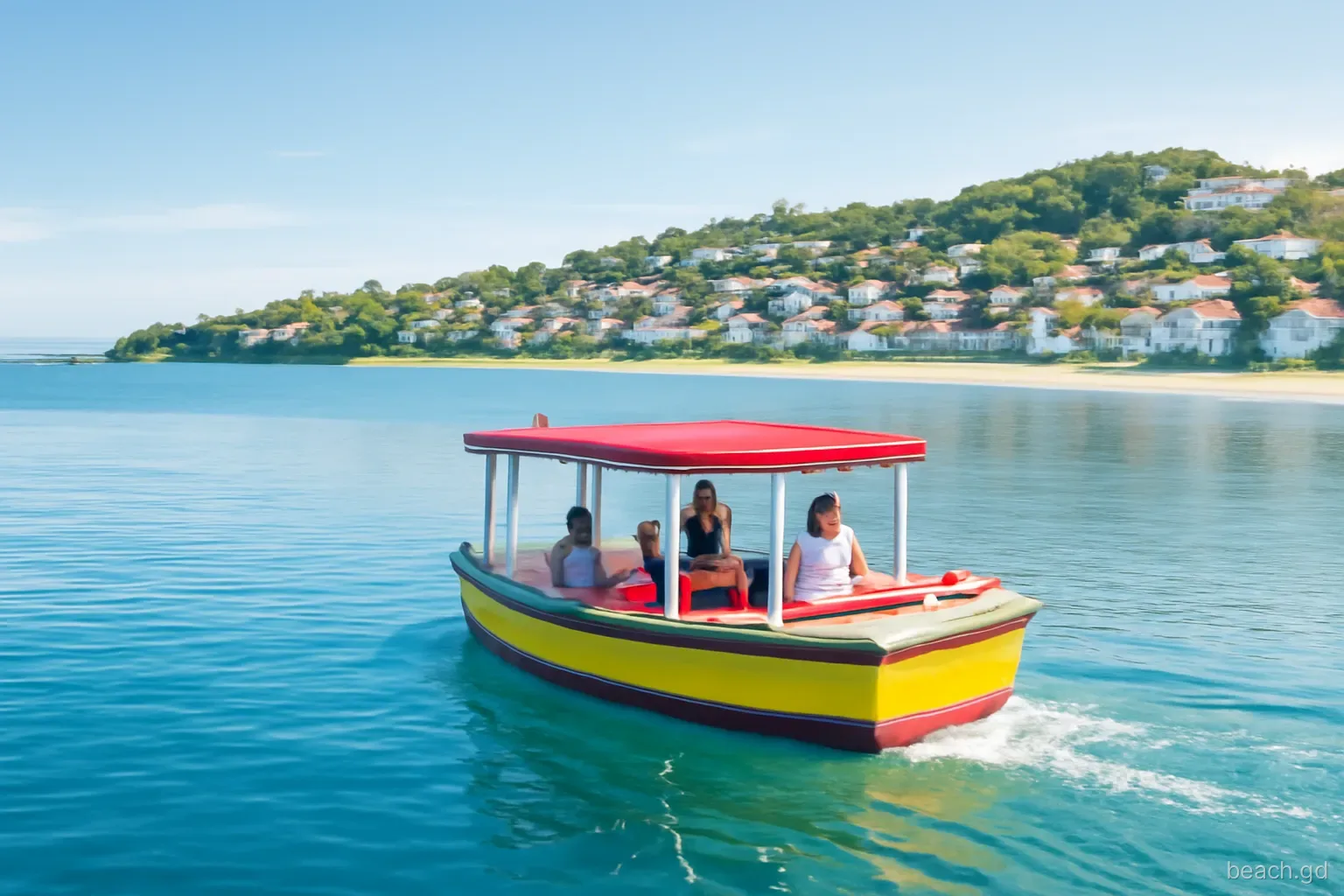
- Water taxis run between the Carenage in St George's and the beach all day, nosing onto the sand at regular landing points.
- Jet skis and banana boats operate from the beach and can move quickly close to shore.
- Dive boats and day-charter catamarans pass offshore and sometimes anchor off the bay, particularly on cruise-ship days when excursions run back and forth.
- Buoyed swimming areas exist along parts of the beach. Stay inside them, and never swim across the channels where boats come in.
- A brightly coloured swim cap or tow float makes a long-distance swimmer much easier for boat drivers to see.
- After dark, assume no boat driver can see you at all.
It is a local beach first
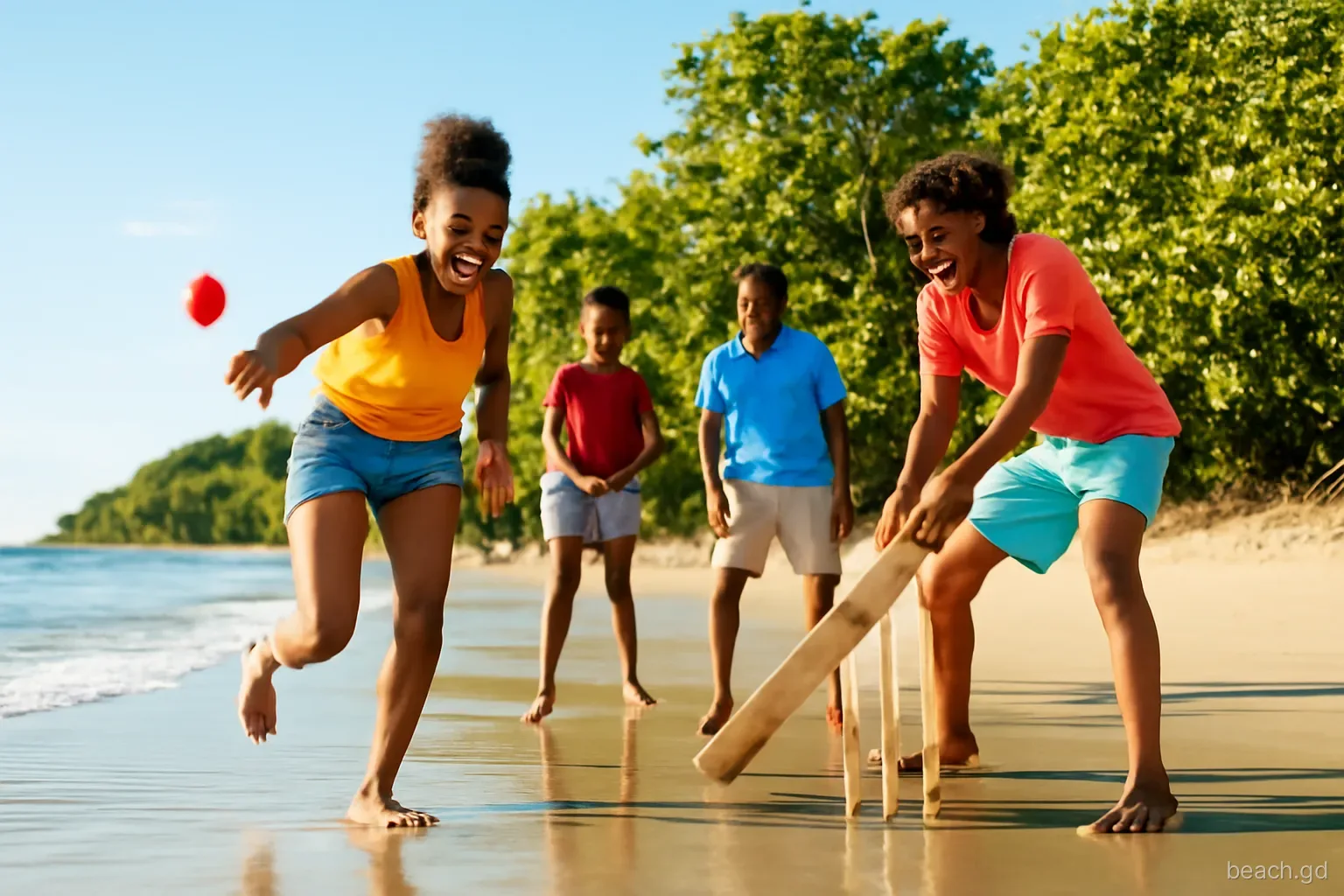
Grand Anse is where Grenadians come to swim, exercise, play and gather, and that shapes its rhythm more than tourism does. Before work, regulars walk the firm sand and swim lengths. After school, teenagers play cricket and football at the waterline. On Sundays and public holidays, extended families arrive with food and music, and the northern end becomes a long, cheerful party that lasts until dusk.
Visitors sometimes describe this as crowding, but it is better understood as the beach doing its job. If you want quiet, the middle and southern stretches stay calmer. If you want to understand how the island relaxes, a Sunday afternoon at the northern end tells you more than any tour.
Being part of that is easy. Greet people as you pass, with a simple good morning or good afternoon, which is normal courtesy in Grenada and noticed when it is missing. If a ball game is running along the waterline, set up a little further back. And if a family invites you to try some of their food, it is meant kindly.
Dress codes follow from this. Swimwear is normal on the sand, but cover up when walking into shops, buses or the mall across the road. Topless and nude bathing are not part of local beach culture.
Small hazards nobody mentions
Sandflies at dusk. Tiny biting midges, often called sandflies, appear on still evenings near the vegetation at the back of the beach. Repellent on ankles and legs helps.
Manchineel trees. A few trees on Caribbean beaches are manchineel, with shiny leaves and small green apple-like fruit. Sap and rain dripping off them blister skin, and the fruit is poisonous. Never shelter under an unfamiliar tree in rain.
Hot sand at midday. The pale sand gets uncomfortably hot under bare feet in the early afternoon, especially for children. Keep sandals handy, and walk at the wet waterline rather than across the dry upper beach.
Glare. Reflected light off sand and water burns faster than people expect, even under an umbrella.
Opportunistic theft. Unattended phones and bags are the most common problem. Take turns swimming, or bring a waterproof pouch.
Where the water is clearest and the sand quietest
The water off Grand Anse is clear almost everywhere on a calm day, but there are patterns. Early in the morning, before swimmers and boats stir up the bottom, visibility is at its best along the whole beach. As the day goes on, the busiest swimming areas near the northern end and the main access points cloud slightly, while the hotel-fronted middle and the southern end stay clearer.
The southern stretch towards Quarantine Point is also where you find the most sand per person on a busy day. It has fewer vendors and rentals, so bring what you need, but the shade from sea grapes and almond trees is good and the sea is often a touch calmer near the headland.
After heavy rain in the wet season, water near drains and gullies that empty onto the beach can be brown for a few hours. Swim well away from them until the sea clears, which usually happens by the following day.
Access is easier than it looks
The beach is open to everyone. The shore in front of the hotels is public, so you can walk the whole length of Grand Anse at the waterline. Hotel loungers, pools and toilets are for guests.
There are many ways in. Public access paths run between properties along the main road, as well as the open areas near the market and park at the northern end. Use them rather than walking through hotel lobbies.
No single car park. Parking is scattered along side roads and near the northern end, and it fills at weekends. Arriving by route bus or taxi is often less stressful than driving.
The water taxi is a real option. From St George's, a water taxi lands you straight on the sand and avoids road traffic completely.
Frequently asked questions
Why does Grand Anse look narrower than in photos?
Sand on Grand Anse shifts with the seasons and after storms. Winter ground swells and tropical systems can strip sand from some stretches for weeks, and calm periods usually rebuild it. Width in front of any particular hotel varies from year to year.
Are Grand Anse vendors pushy?
Most are not. Vendors approach people on the sand, but a clear, friendly no thank you is almost always respected. The craft and spice market at the northern end lets you browse spices and crafts at fixed stalls without being approached on your towel.
Is Grand Anse safe from boats?
It is safe if you swim sensibly. Water taxis, jet skis and other boats use the bay, so stay inside buoyed swimming areas where they exist, keep away from boat landing points, and avoid swimming after dark when drivers cannot see you.
What is the water temperature at Grand Anse?
The sea stays warm all year, generally in the high twenties Celsius. It is slightly cooler around February and warmest around September and October. Most people swim comfortably without a wetsuit in any month.
Is Grand Anse busy on Sundays?
Sunday afternoons are among the liveliest times, as Grenadian families come down after church and lunch, especially to the northern end. The middle and southern stretches stay calmer if you want a quieter afternoon.